
Before buying big gear, focus on upgrading your child’s nursery for better organization and space management. Use smart storage solutions, compact furniture, and multi-purpose pieces to keep the room functional and clutter-free. Incorporate smart technology like lighting and monitors to improve safety and routines. This not only creates a more efficient space but also helps you avoid impulsive purchases that might not fit later. Keep going to find out how to make these upgrades even more effective.

Get decor and gifts delivered free with Prime
- Fast, free delivery on millions of items
- Prime Video, Amazon Music and more included
- Member-only deals all year
Key Takeaways
- Assess current space and identify areas where smart storage and organization can improve functionality.
- Prioritize space-saving and multi-purpose furniture to maximize limited room capacity.
- Incorporate smart home technology, like lighting and monitors, to enhance safety and convenience.
- Focus on creating a streamlined, clutter-free environment before investing in large gear.
- Ensure upgrades support adaptable storage solutions to accommodate your child’s changing needs.
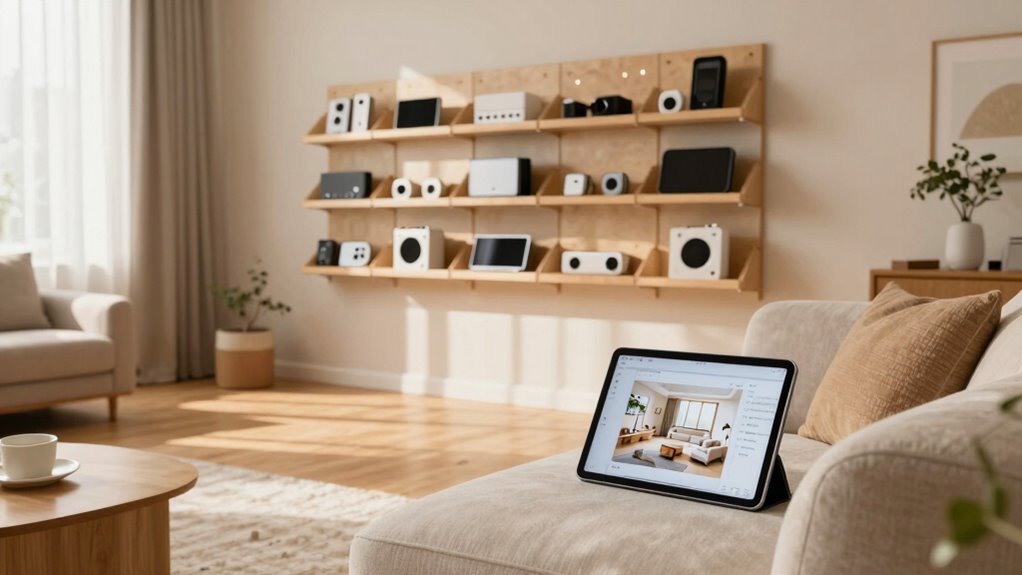
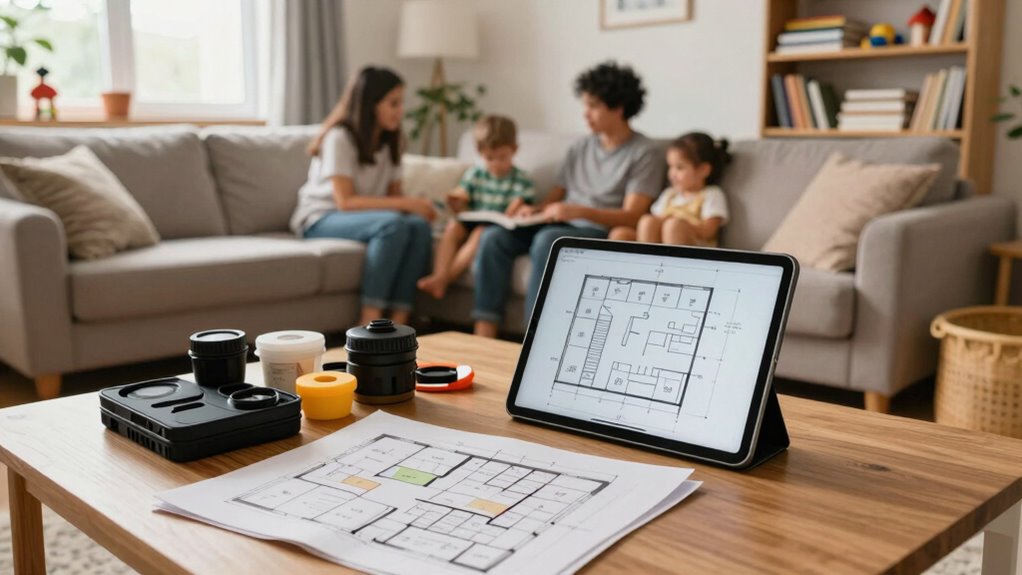
If your family’s living space feels cramped or outdated, focusing on upgrading just one room can make a big difference without overwhelming your budget or schedule. The key is to choose a space that can maximize both functionality and comfort, like the nursery. By prioritizing nursery organization, you set the foundation for a more streamlined, efficient environment. A well-organized nursery isn’t just about storage; it’s about creating a space where everything has its place, making daily routines smoother. Start by investing in smart storage solutions—stackable bins, wall-mounted shelves, and drawer dividers—to keep clothes, diapers, and toys neatly arranged. Clear containers with labels help you quickly find what you need, reducing chaos during busy mornings or late-night feedings.
Alongside nursery organization, consider integrating smart home technology to elevate the space’s efficiency and safety. Smart lighting, for example, allows you to control brightness levels from your phone or voice commands. This means you can dim the lights for a soothing bedtime routine or turn them on instantly if you need to see clearly in the middle of the night. Smart thermostats help maintain a comfortable temperature, which is crucial for a baby’s health and sleep quality. Installing smart security cameras or baby monitors with remote access keeps a watchful eye on your little one without the need for constant physical checks, giving you peace of mind. Furthermore, understanding space-saving solutions can help you make the most of limited nursery space and avoid clutter. Exploring compact furniture options can also contribute to a more open and functional layout. Incorporating multi-purpose furniture is another effective way to maximize small spaces and reduce unnecessary furniture. Additionally, incorporating modular storage can offer flexible organization options that adapt as your child’s needs change over time.
As you upgrade the nursery, think about how these changes can ripple into other areas of your home. For instance, a smart home system can be extended to the living room or kitchen, creating a cohesive, easy-to-manage environment. This isn’t about turning your home into a high-tech fortress but about making daily life more convenient and responsive to your family’s needs. When you focus on a single room, like the nursery, you can allocate your resources more effectively, avoiding impulsive purchases of big gear that might not fit your actual space or lifestyle. Additionally, selecting adaptable storage solutions can help you keep up with your growing child’s needs over time.
Products Worth Considering

Philips Hue Bridge Pro Smart Lighting Hub

Philips Hue Large Smart Light Tube, Black – White and Color Ambiance LED Color-Changing Light – 1 Pack

Sonos Era 100 Wireless Smart Speaker, Black
As an affiliate, we earn on qualifying purchases.
Frequently Asked Questions
How Do I Determine Which Room to Prioritize for Upgrades?
You should prioritize the room where your family spends the most time or where the room layout and lighting design need the most improvement. Evaluate how lighting affects the space and whether the layout supports your daily activities. Focus on upgrading this room first, as it will maximize comfort and functionality. A well-planned layout and proper lighting make a significant difference, ensuring the space works best for your family’s needs.
What Is the Typical Budget Range for a Single-Room Upgrade?
A typical budget range for a single-room upgrade varies from $5,000 to $20,000, depending on the scope. You should start with budget planning early, considering costs for materials, labor, and unexpected expenses. Keep your renovation timeline in mind, as rushing can increase costs. Setting a clear budget helps you prioritize upgrades and guarantees you stay within your financial comfort zone while achieving your desired results.
How Long Does a One-Room Upgrade Usually Take?
A one-room upgrade usually takes about one to two days, giving you enough time to install smart lighting and eco-friendly materials without feeling rushed. While the process might seem quick, the impact is lasting—brightening your space and reducing your environmental footprint. You’ll enjoy a transformed room that’s both smarter and greener, all completed in a weekend, making the upgrade manageable and satisfying.
Are There Specific Brands Recommended for Small Upgrades?
When considering small upgrade options, some brand recommendations stand out for quality and reliability. Look into brands like LG, Samsung, and Whirlpool for appliances, as they consistently deliver durable, efficient options. For electronics, Sony and Dell are trusted. Choosing these brands guarantees your small upgrades are worth the investment, offering long-term value and performance. Always read reviews and compare features to find the best fit for your specific needs.
How Can I Measure the Success of the Upgrade?
You can measure the success of your upgrade by observing how well your decorating styles and lighting options enhance the room. Notice if the new decor creates a cohesive look and if lighting improves ambiance or functionality. Pay attention to family feedback and your own feelings of comfort and satisfaction. If the space feels more inviting and suits your needs better, then your upgrade is successful.
Conclusion
By focusing on upgrading one room at a time, you can make meaningful improvements without feeling overwhelmed or overspending. For example, a family might start with the living room, investing in a new sofa and smart lighting, creating a cozy, functional space. Over time, these small, strategic upgrades accumulate, boosting your home’s comfort and value. Remember, patience and planning make upgrades more manageable—and more rewarding.