Evaluating your stairs first helps guarantee your stair lift fits perfectly, works safely, and functions reliably. Different staircase shapes, sizes, and structural conditions impact installation, so measuring width, length, and evaluating potential issues is vital. Considering safety features and aesthetics during assessment guarantees a better match for your needs and home design. Taking these steps upfront prevents future problems. If you want to discover how a proper evaluation enhances your stair lift experience, keep going for more details.

Get decor and gifts delivered free with Prime
- Fast, free delivery on millions of items
- Prime Video, Amazon Music and more included
- Member-only deals all year
Key Takeaways
- Proper evaluation ensures the stair lift is customized to fit the specific staircase shape and dimensions.
- Assessing stairs identifies structural issues that could affect lift installation and safety.
- Evaluating stair layout helps select the most suitable type of lift for optimal functionality.
- Measurement and assessment prevent installation problems and improve user safety and comfort.
- Considering staircase details beforehand ensures aesthetic harmony and seamless integration into the home.
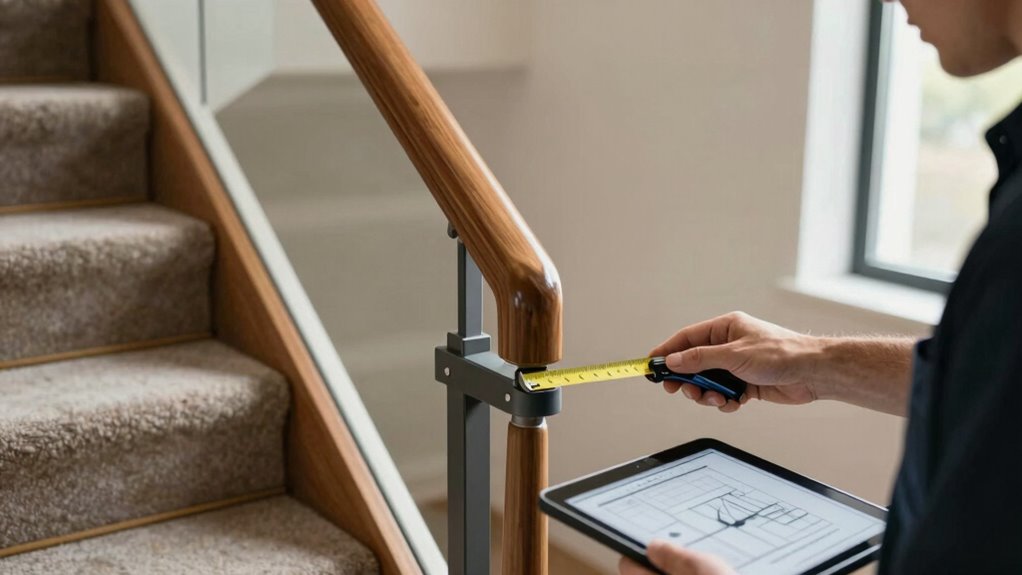
Evaluating your stairs before choosing a stair lift is essential to guarantee the best fit and performance. When you take the time to assess your staircase, you ensure that the lift you select will work smoothly and safely within your home. The first step is to consider the type of stairs you have—straight, curved, or spiral—as each requires different installation considerations. Straight stairs typically need less complex installation, often making them quicker and more affordable to equip. Curved or spiral stairs, however, demand more precise measurements and custom fittings, which can influence the overall cost and installation process. By understanding your staircase’s layout, you can choose a stair lift designed specifically for that configuration, preventing future issues like improper alignment or limited mobility. Proper evaluation also includes understanding installations considerations, which can vary significantly based on your staircase’s shape and structure. Safety features are another critical aspect to evaluate during this process. Your stair lift should be equipped with essential safety features such as seat belts, obstruction sensors, and automatic brakes. These features work together to prevent accidents, especially if someone unexpectedly blocks the path or if the lift encounters an obstacle. Check whether the safety sensors can detect objects on the stairs and stop the lift immediately to avoid falls or injuries. Additionally, look for features like armrests and footrests that can be securely locked in place, providing added stability and comfort during use. A good stair lift should also include a backup power source, guaranteeing it continues to operate during power outages. When evaluating safety features, think about the specific needs of the user—if they have limited mobility or cognitive challenges, extra safety precautions become even more essential. Beyond safety and installation considerations, you should also think about the space available for the lift. Will it fit comfortably without obstructing your stairs or doorways? Some stair lifts require a certain amount of clearance, so measuring your staircase’s width and length is crucial. Also, consider the placement of the controls—are they easy to reach and operate? Features like remote controls or call buttons at both the top and bottom of the stairs add convenience and safety. Don’t forget to check the aesthetics, as a well-designed lift can seamlessly blend into your home environment. Being aware of home layout can help you select a lift that complements your interior design while maintaining functionality. Additionally, consulting professional installers can ensure the lift is properly fitted and safe to use. Proper assessment can also help identify potential structural issues that might affect installation or operation, ensuring long-term safety and reliability.
As an affiliate, we earn on qualifying purchases.
Frequently Asked Questions
How Long Does a Stair Evaluation Usually Take?
A stair evaluation typically takes about 30 minutes to an hour. During this evaluation process, the technician assesses installation considerations, such as stair type, width, and obstructions, to guarantee the stair lift fits perfectly. You’ll need to be present to answer questions and provide access. This thorough assessment helps determine the best stair lift options, making the installation smoother and ensuring safety and comfort for your specific staircase.
Are There Stairs Unsuitable for Stair Lifts?
Some stairs may be unsuitable for stair lifts due to design limitations or safety concerns. I once helped a client with a narrow, winding staircase that couldn’t accommodate a standard lift, making installation risky. It’s essential to evaluate stairs first, as uneven surfaces or steep inclines can pose hazards. Always consider these factors to guarantee safety and proper function, preventing future accidents or costly modifications.
What Are Common Issues Found During Stair Evaluation?
During a stair evaluation, you often find issues like narrow or uneven steps, which affect design considerations for the lift. You also identify safety precautions needed, such as handrail clearance or obstructions. These issues can impact installation and operation, so addressing them early guarantees the stair lift functions smoothly and safely. By evaluating the stairs first, you can select the best model and make necessary modifications for maximum safety and performance.
Can Stair Evaluations Be Done Remotely?
Yes, stair evaluations can be done remotely through virtual assessments and remote consultations. You can provide photos, videos, or live video tours of your staircase, helping professionals assess the space accurately. This approach offers convenience and safety, especially if in-person visits aren’t feasible. Just guarantee you share clear visuals and measurements, so the specialists can recommend the best stair lift options tailored to your needs.
How Often Should Stairs Be Re-Evaluated?
You should re-evaluate your stairs annually to guarantee safety improvements and accessibility enhancements stay effective. Regular assessments help identify any wear and tear or structural changes that might impact the stair lift’s performance. If you notice issues like loose steps or decreased stability, consider more frequent evaluations. Staying proactive ensures your stair lift remains safe and functional, providing reliable access and peace of mind.
Conclusion
Remember, a stitch in time saves nine, so don’t skip the essential step of evaluating your stairs before installing a stair lift. By examining your staircase first, you ensure a smoother, safer ride tailored to your needs. Taking the time now to evaluate can prevent future headaches and guarantee comfort. When it comes to stair lifts, planning ahead isn’t just wise—it’s the key to making your daily routine easier and more secure.
Halloween Picks
halloween
As an affiliate, we earn on qualifying purchases.