
To prevent a nasty fall this spring, make certain your entryway is clean, well-lit, and surface-safe. Clear away debris, ice, and clutter, and fix cracks or uneven spots in the surface. Add slip-resistant coatings or textured mats to improve traction. Improve lighting with motion sensors or pathway lights, so hazards are visible in dim evenings. Using proper footwear and maintaining a tidy, organized space also boosts safety. Keep exploring for more tips to make your entryway safer throughout the season.

Get decor and gifts delivered free with Prime
- Fast, free delivery on millions of items
- Prime Video, Amazon Music and more included
- Member-only deals all year
Key Takeaways
- Repair cracks and uneven surfaces to reduce tripping hazards as weather warms.
- Add slip-resistant coatings or textured surfaces for better traction.
- Improve lighting with motion-activated or solar-powered lights for increased visibility.
- Clear clutter, debris, and lightweight decorations that could cause falls.
- Ensure footwear is appropriate and encourage removing wet or muddy shoes before entry.
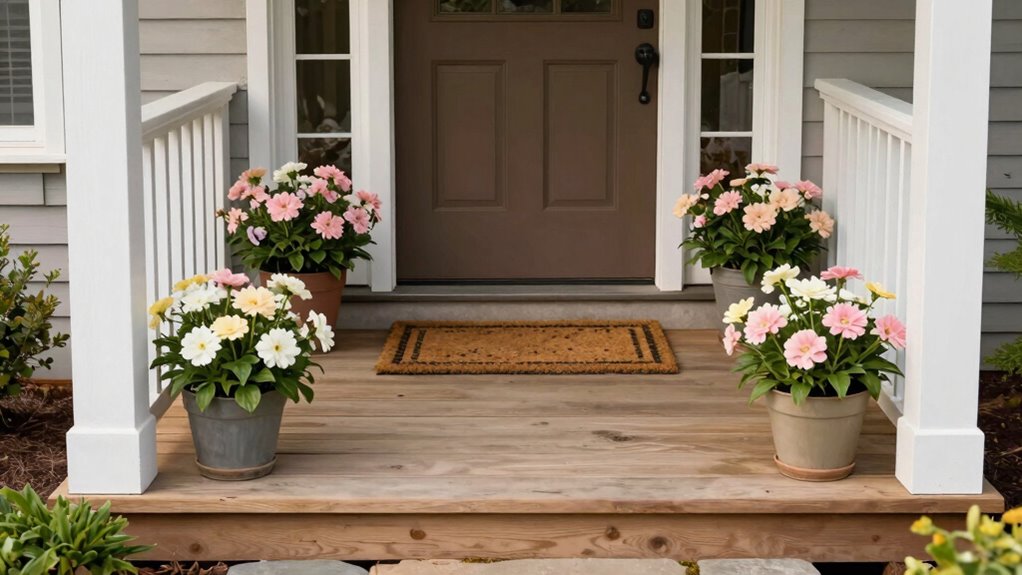
As spring arrives and you start spending more time outdoors, it’s the perfect opportunity to assess and improve your entryway to prevent falls. After months of harsh winter weather, your porch or doorstep might have accumulated debris, uneven surfaces, or slick patches from melting snow and rain. Taking a few simple steps now can make a big difference in keeping you safe and confident as you come and go.
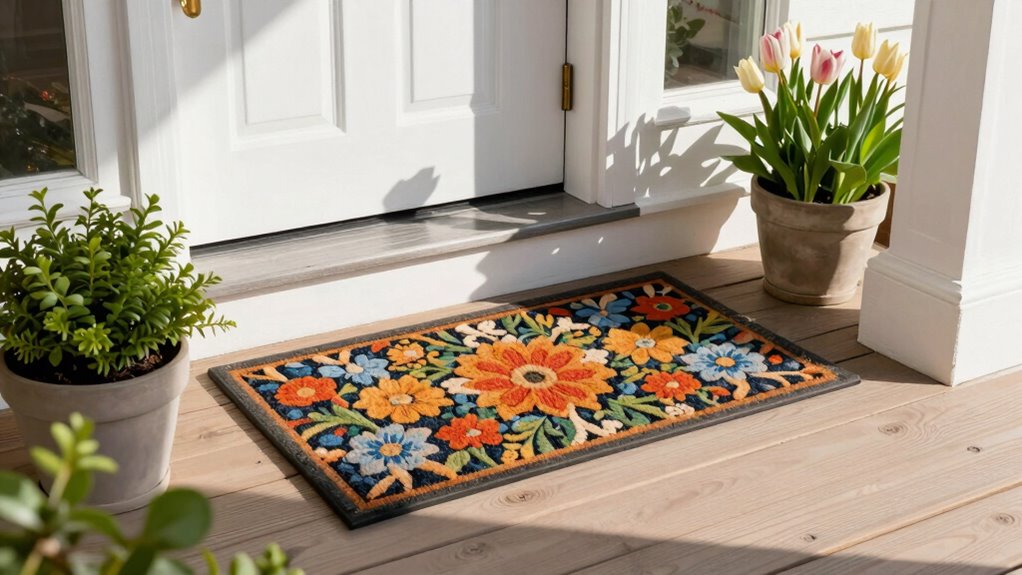
Start by clearing away any clutter, leaves, or ice that could cause slipping. Look closely at the surface of your entryway—whether it’s concrete, wood, or tile—and check for cracks or uneven spots. Repairing these issues or adding a textured, slip-resistant coating can significantly reduce the risk of falls. Better yet, consider installing weatherproof mats or rugs with non-slip backing. These not only provide better traction but also add a welcoming touch to your entrance. Keep seasonal décor minimal and secure, avoiding lightweight ornaments that can blow away or get tangled underfoot. A neat, clutter-free space is safer and more inviting.
Footwear safety is crucial, especially in spring when you might switch from winter boots to lighter shoes. Always choose footwear with good traction that fits well and provides stability. Avoid flip-flops or flimsy sandals that can slide on wet surfaces. When entering or leaving the house, take a moment to remove muddy or wet shoes or boots, or switch to indoor slippers with slip-resistant soles. This habit prevents water and dirt from spreading into your home and reduces chances of slipping on slick floors inside. Additionally, proper footwear selection can help prevent slips and falls. If you have children or visitors, consider placing a shoe rack or tray near the door to encourage safe footwear habits. Regularly inspecting your entryway for potential hazards, as recommended in laboratory safety, can help you identify and address risks early on. Incorporating home safety awareness into your routine can further enhance your fall prevention efforts.
Lighting is another key element in fall prevention. As days get longer but evenings still remain dim, make sure your entryway is well-lit. Bright, motion-activated lights can illuminate uneven patches or obstacles, giving you clear visibility. Installing solar-powered pathway lights along walkways and steps can also help guide your way safely in the dark. Keep the area around your door free of tripping hazards like garden tools, hoses, or bike racks, especially as you start to bring out your spring outdoor gear. Additionally, incorporating biodiversity-friendly lighting can enhance outdoor safety while supporting local ecosystems.
Spring is the perfect time to refresh your entryway and focus on safety. By paying attention to seasonal décor, ensuring footwear safety, and improving lighting, you create a safer, more attractive space that welcomes you and your guests without the worry of a nasty fall. Small changes now can lead to big safety benefits all season long.
slip-resistant outdoor mats with non-slip backing
As an affiliate, we earn on qualifying purchases.
As an affiliate, we earn on qualifying purchases.
Frequently Asked Questions
How Often Should I Inspect My Entryway for Hazards?
You should inspect your entryway for hazards at least once a month, especially during seasonal changes. Regular entrance maintenance helps you spot potential dangers like loose mats, icy patches, or uneven surfaces early. By staying vigilant and practicing hazard awareness, you decrease the risk of slips and falls. Frequent checks ensure your entryway remains safe and welcoming, giving you peace of mind whenever you arrive or leave your home.
Are There Specific Materials Best for Winter Wear and Tear?
Think of your entryway like a sturdy ship braving winter storms. For winter durability and material longevity, opt for rubber or textured vinyl mats, treated wood, or metal fixtures. These materials resist ice, snow, and salt better than delicate options. They act as a reliable shield, preventing slips. Selecting durable, weather-resistant materials guarantees your entryway stands strong against winter’s harsh elements, keeping you safe and secure all season long.
Can DIY Fixes Effectively Prevent Falls in Icy Conditions?
Yes, DIY fixes can effectively prevent falls in icy conditions. Regular snow shoveling clears away snow, reducing slip hazards, while applying salt melts ice and improves traction. Be proactive by keeping walkways clear and using salt promptly after snowfalls. These simple steps, combined with proper footwear, can make your entryway much safer, helping you avoid slips and falls during winter’s icy months.
What Are Some Signs My Entryway Needs Immediate Repair?
Your entryway’s warning signs are like a silent alarm. Cracked or loose tiles, uneven surfaces, or wobbling steps signal immediate repair needs. If your seasonal decorations or entrance décor are causing tripping hazards or hiding damage, it’s time to act. These issues compromise safety, especially during seasonal changes. Addressing them promptly keeps your entryway secure, ensuring visitors and family members don’t stumble when they arrive home sweet home.
How Do I Choose the Right Lighting for Safety and Aesthetics?
To choose the right lighting, you should combine decorative fixtures with ambient lighting to enhance safety and style. Opt for wall sconces or pendant lights that provide ample brightness without glare, and incorporate warm-toned bulbs to create a welcoming atmosphere. Make sure the fixtures are weather-resistant if exposed to the elements. This balance improves visibility, prevents trips, and adds aesthetic appeal to your entryway.
Conclusion
By fixing your spring entryway, you’re planting the seeds for a safer home, shielding yourself from the icy grip of a nasty fall. Think of it as smoothing out the rough patches on a winding road—making each step smoother and more secure. When you take these simple precautions, you’re turning your doorstep into a welcoming gate that guards you against unseen pitfalls. Step confidently into spring, knowing your home is a fortress against slips and trips.
Columbus Day / Indigenous Peoples' Day Picks
long weekend sales
As an affiliate, we earn on qualifying purchases.