To reduce daily annoyance in shared spaces, develop a clear decluttering strategy that includes assigning designated zones for items like shoes, mail, and keys, making tidying easier. Get your guests involved by explaining these areas and encouraging shared responsibility. Use effective storage options like labeled bins and multi-functional furniture to keep things organized. Maintain order with simple routines and visual cues, creating lasting habits. Keep exploring to find more tips for a calmer, clutter-free environment.
Key Takeaways
- Establish designated zones for items like shoes, mail, and keys to streamline tidying and reduce clutter.
- Create a clear decluttering plan with simple routines and storage solutions to maintain organization consistently.
- Involve all guests in organizing and maintaining shared spaces to foster shared responsibility.
- Use labeled bins and visual cues for quick identification and easy access of stored items.
- Regularly review and adjust organization methods to ensure lasting order and minimize daily annoyances.

Decluttering shared spaces can feel overwhelming, but with a clear strategy, you can make the process manageable and even enjoyable. When you focus on creating a system that encourages guest collaboration, it becomes easier to keep common areas tidy and functional. This collaborative approach fosters a sense of community and shared responsibility, which is essential in maintaining a clutter-free environment. The key lies in establishing simple routines and using effective storage solutions that everyone can follow.
Start by setting up designated zones for different items—like a basket for shoes, a tray for mail, or a shelf for keys. When each item has a specific spot, it’s easier for everyone to put things away without second-guessing. To make this process seamless, involve your guests in the planning. Explain the purpose of these designated areas and encourage them to use them consistently. This guest collaboration not only fosters a shared sense of responsibility but also minimizes the buildup of clutter over time.
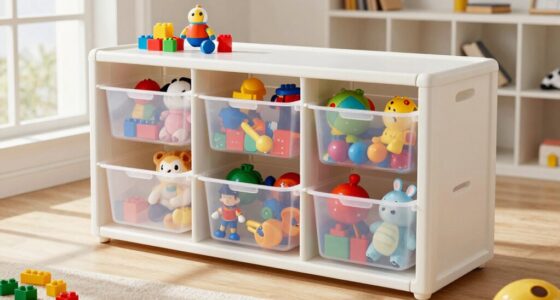
Storage solutions play an essential role in maintaining order. Invest in multi-functional furniture that offers hidden compartments or drawers, which can hide away seldom-used items and keep surfaces clear. Clear storage bins are also a smart choice—they let everyone see what’s inside, making it easier to find what’s needed and put things back in their rightful place. Labeling these bins adds an extra layer of organization, ensuring that each guest knows where to put things without confusion. Incorporating effective storage solutions can significantly enhance your decluttering efforts. Additionally, using visual cues like labels or color coding can further streamline the process and reduce confusion. Implementing simple organizational methods can make a noticeable difference in maintaining a clutter-free space. Consistently applying these strategies creates a habitual routine that helps sustain order over time.
As an affiliate, we earn on qualifying purchases.
Frequently Asked Questions
How Often Should Common Areas Be Decluttered?
You should declutter common areas weekly to keep them organized and clutter-free. Regularly practicing good organizational habits and using effective storage solutions makes this easier. Set aside a specific day to tidy up, sort items, and put things back in their designated spots. This routine prevents mess buildup, reduces daily annoyance, and keeps shared spaces welcoming for everyone. Consistency is key to maintaining a neat and functional environment.
What Tools Are Best for Quick Decluttering?
Did you know that quick decluttering sessions can boost your productivity by up to 25%? To speed things up, use versatile tools like stackable storage bins, collapsible baskets, and label makers. These storage solutions make organizing hacks simple and efficient, helping you sort items fast. Keep a small trash bag handy for quick disposal, and always have a clutter-catching container nearby to streamline your decluttering routine.
How to Handle Clutter-Resistant Household Members?
You handle clutter-resistant household members by setting clear personal boundaries and communicating respectfully. Explain how clutter impacts everyone’s daily life and ask for their cooperation. Offer specific solutions, like shared organizing spaces or designated areas for personal items. Stay patient and consistent, reinforcing the importance of teamwork. Respectful communication encourages understanding, making it easier for everyone to contribute and maintain a clutter-free environment together.
Are There Specific Decluttering Routines for Different Common Areas?
Yes, you should tailor decluttering routines for each common area. Use storage solutions suited for specific needs—like baskets for the living room or hooks for the entryway. Incorporate organizational tools such as labeled bins or wall-mounted racks to keep clutter in check. Establish a regular schedule to tidy these areas, ensuring everything stays organized and accessible. This targeted approach makes maintaining a clutter-free space easier and reduces daily annoyance.
How to Maintain Clutter-Free Common Areas Long-Term?
Maintaining clutter-free common areas might seem impossible, but it’s just about sticking to simple organizational habits and smart storage solutions. You’ll want to regularly reassess your setup, put things back promptly, and keep supplies accessible. Irony? The more you organize, the less clutter you’ll face daily. Make it routine, not a chore, and soon your shared spaces stay tidy with minimal effort—proving that good habits truly pay off.
Conclusion
By embracing this simple decluttering strategy, you’ll transform your common areas from chaotic chaos into peaceful havens—truly a miracle in the chaos! With consistent effort, you’ll notice daily annoyances vanish faster than you can say “organized,” making your home feel like a sanctuary instead of a battleground. So, take charge today, and watch your space—and your sanity—soar to new heights. Declutter now and reclaim your home’s calmness; it’s easier than you think!