TL;DR

Get decor and gifts delivered free — and shop member deals
- Fast, free delivery on millions of items
- Access to Prime Big Deal Days deals on October 6–7
- Prime Video, Amazon Music and more included
A woman has moved her home office to an unexpected location, resulting in a clutter-free environment. This change reflects evolving home workspace arrangements amid rising remote work interest.
A woman has moved her home office to an unexpected location within her residence, leading to a notably clutter-free workspace. This development is confirmed and highlights shifting preferences for remote work environments, which are gaining increased attention.
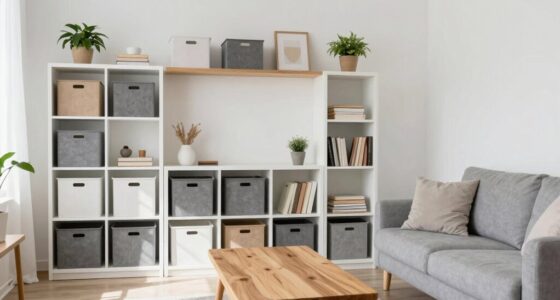
The woman, whose identity remains undisclosed, recently reconfigured her home office to occupy a space previously not used for work purposes. The new location is described as a small, tucked-away corner in her basement, which she transformed into a dedicated workspace. According to her, the move was motivated by a desire to minimize distractions and create a more organized environment. Since relocating, she reports her workspace is now free of clutter, with everything neatly stored and only essential items visible.
This change was observed after she shared photos of her new setup on social media, where the contrast with her previous cluttered desk was immediately noticeable. Experts note that such moves to unconventional spaces can be driven by a need for privacy or a more controlled environment, especially as remote work becomes more prevalent. The woman’s experience underscores a broader trend of individuals customizing their home offices to fit personal preferences and improve productivity, even if it means relocating to unexpected areas of the home.
Implications of Unconventional Home Office Locations
This development matters because it illustrates how remote workers are increasingly willing to rethink traditional home office setups. Moving to less conventional locations within a home can lead to a more organized, clutter-free environment, potentially boosting productivity and mental clarity. As remote work continues to rise, such adaptive strategies could influence broader trends in home workspace design, encouraging individuals to experiment with different spaces to find what works best for them.
Furthermore, the move highlights a shift in the importance of environment customization, emphasizing that effective workspaces are not confined to conventional areas like dedicated rooms or spare bedrooms. Instead, even small or unexpected spaces can be transformed into functional work zones, which may influence future home renovation and interior design choices.
As an affiliate, we earn on qualifying purchases.
Growing Interest in Creative Home Office Solutions
Interest in home office setups has surged over recent years, especially with the rise of remote and hybrid work models. Many individuals are seeking ways to optimize their environments for better focus and organization. Trends include converting closets into offices, repurposing basements or attics, and now, relocating to unexpected corners within the home. The trend appears to be driven by a desire for privacy, reduced distractions, and improved organization, but specific motivations vary widely among individuals.
While the exact timing of this particular move is unclear, the trend of rethinking home office spaces is well-documented, with search interest in ‘home office organization’ and ‘remote work tips’ spiking in recent months. Experts suggest that as remote work continues to grow, more people will experiment with unconventional spaces, although detailed data on this specific case remains unavailable.
Details of the Location and Future Plans Still Unclear
It is not yet confirmed exactly where within her home the new office is located, nor how long she plans to maintain this setup. The motivations behind choosing this specific spot, beyond general desires for organization, remain unspecified. Additionally, whether this move is part of a broader trend or a personal experiment is unclear, as no broader data or statements have been provided.
Potential for Broader Adoption of Unconventional Spaces
As interest in home office customization grows, more remote workers may experiment with relocating their workspaces to unconventional areas. Future developments could include increased sharing of such setups on social media, more research into the impact of workspace location on productivity, and potential shifts in home renovation trends. Observers will watch for whether this case inspires similar moves among others.
Key Questions
Why are people moving their home offices to unexpected locations?
Many seek to improve organization, reduce distractions, and create a workspace tailored to their needs, which sometimes involves relocating to less traditional areas within their homes.
Does relocating the home office improve productivity?
While anecdotal reports suggest it can, scientific studies are limited. The key benefit appears to be increased organization and reduced clutter, which can support focus.
What types of spaces are being used for these new home offices?
Spaces include basements, closets, attics, small corners, and even under-stair areas—anywhere that can be adapted into a functional workspace.
Is this trend likely to continue?
Given rising remote work interest and the desire for personalized environments, it is likely that more people will experiment with unconventional spaces in the future.
Source: rss
Evergreen bestsellers Picks
bestsellers
As an affiliate, we earn on qualifying purchases.