
TL;DR

Get decor and gifts delivered free with Prime
- Fast, free delivery on millions of items
- Prime Video, Amazon Music and more included
- Member-only deals all year
Mayor Mamdani has issued a directive banning landlords from using AI-generated images to promote properties. The move aims to prevent misleading advertising practices. The policy is effective immediately, but the scope and enforcement details are still being clarified.
Mayor Mamdani has officially banned landlords from using AI-generated images to advertise rental and sales properties. The directive aims to address concerns over deceptive marketing practices that can mislead prospective tenants and buyers. This policy change underscores increasing regulatory scrutiny over digital advertising methods in the real estate sector.
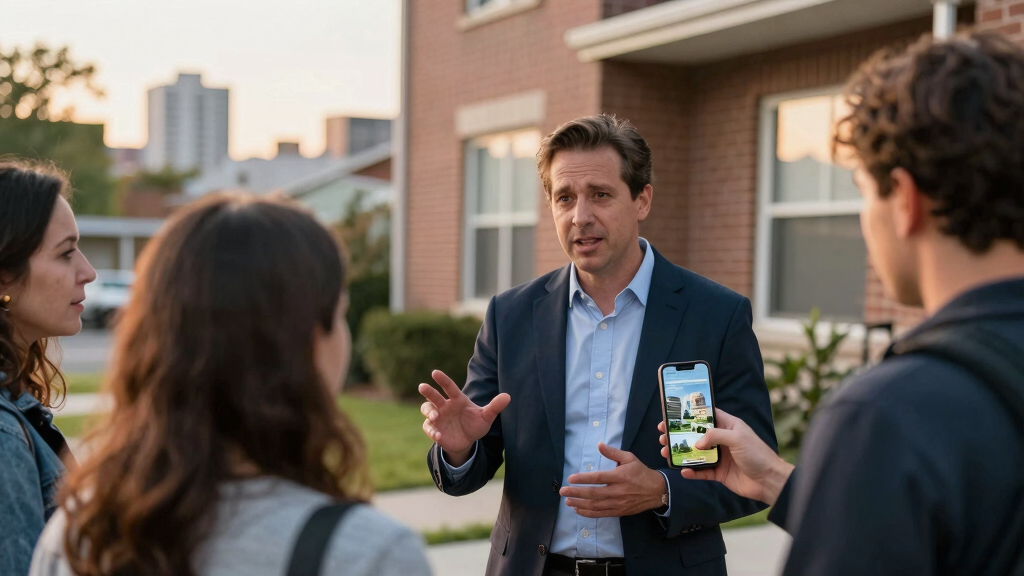
The new policy, announced by Mayor Mamdani during a press conference, states that landlords and property managers are prohibited from including AI-created images in any property listings or promotional materials. The ban is effective immediately and applies to all online and offline advertising channels.
According to the mayor’s office, this measure is intended to prevent misleading representations of properties, which can distort market perceptions and potentially harm consumers. The city’s housing authority will oversee enforcement and has indicated plans to establish penalties for violations, though specific sanctions are still being finalized.
Landlords and real estate agents are advised to use actual photographs of properties or verified 3D virtual tours, as per the new guidelines. The policy also encourages transparency and honesty in advertising practices to protect consumers from false impressions.
Implications for Real Estate Advertising Standards
This ban signals a growing regulatory effort to curb deceptive marketing tactics in the real estate industry. It aims to protect consumers from misleading visuals that could inflate property values or misrepresent conditions, thereby fostering greater transparency and trust in property listings.
The move could influence other jurisdictions to adopt similar restrictions on AI-generated content, shaping future standards for digital advertising. For landlords and agents, compliance will become a new operational requirement, potentially impacting marketing strategies and costs.
As an affiliate, we earn on qualifying purchases.
Rise of AI in Property Marketing and Regulatory Responses
Over the past year, AI-generated images have become increasingly common in property advertising, allowing landlords to create appealing visuals without physical property access. Critics argue these images can be misleading, showing idealized or fabricated views of properties.
Regulatory bodies in various regions have begun scrutinizing digital marketing practices, with some proposing guidelines or restrictions on AI use. Mayor Mamdani’s announcement reflects a broader trend toward tighter regulation of AI in advertising, especially where consumer deception is a concern.
Prior to this, there have been isolated incidents of misleading property listings, but this is among the first formal bans targeting AI-generated images at a municipal level.
“Landlords cannot use AI-generated images to mislead prospective tenants or buyers. Transparency in advertising is essential for fair housing practices.”
— Mayor Mamdani
Details on Enforcement and Penalties Still Unclear
It is not yet clear what specific penalties will be imposed on violators or how the city will verify whether images are AI-generated. The scope of enforcement and potential exemptions remain to be clarified as the policy is implemented.
Next Steps: Clarifying Guidelines and Monitoring Compliance
The city plans to release detailed enforcement guidelines within the next month. Landlords and agents are advised to review their advertising practices to ensure compliance. The housing authority will also conduct audits and provide support for transitioning to verified imagery.
Further updates are expected as the policy’s implementation progresses, including potential legal challenges or adjustments based on industry feedback.
Key Questions
Can landlords still use actual photos of properties?
Yes, landlords are encouraged to use real photographs or verified virtual tours in their listings, as these are not affected by the ban.
Are virtual 3D tours allowed under the new policy?
The policy emphasizes transparency, so verified 3D virtual tours that accurately represent the property are permitted, but AI-generated images are banned.
What are the penalties for violating the ban?
Penalties are still being finalized, but may include fines or other sanctions. Enforcement will be overseen by the city’s housing authority.
Does this ban apply to all types of properties?
Yes, the ban covers all residential and commercial property advertisements within the city limits.
Source: hn
Halloween Picks
halloween
As an affiliate, we earn on qualifying purchases.