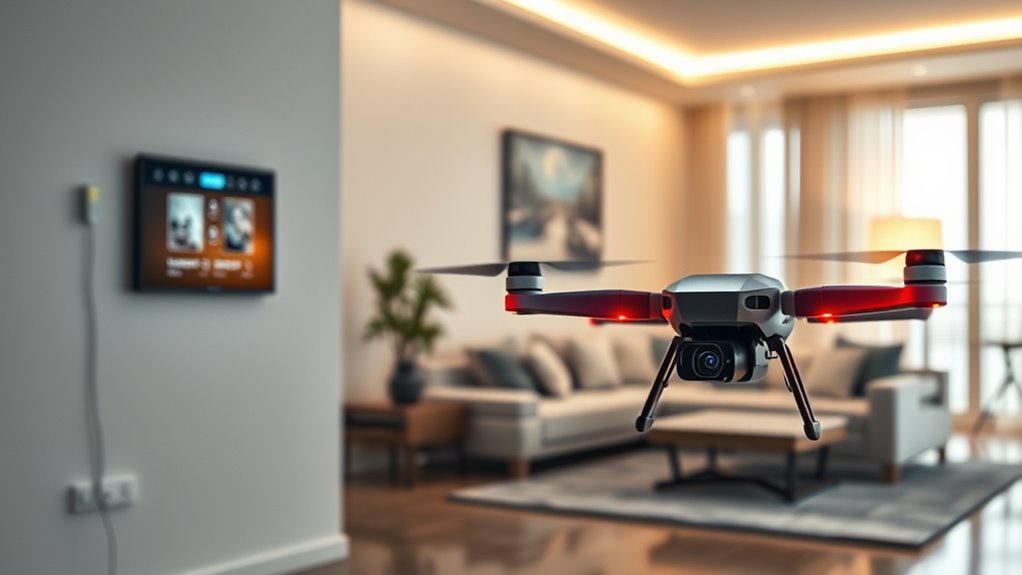

Home security has come a long way from traditional wired alarms to advanced, autonomous systems. Today, smart devices like cameras, locks, and sensors connect seamlessly, allowing you to monitor and control your home remotely. Artificial intelligence helps these systems detect threats early and respond automatically, reducing false alarms and increasing safety. If you keep exploring, you’ll discover how this evolution creates smarter, more connected homes that protect you proactively and effortlessly.
Prime for Young Adults — start your free trial
Fast free delivery, streaming and member deals for eligible 18–24 year olds.
As an affiliate, we earn on qualifying purchases.
Key Takeaways
- Home security evolved from manual, wired alarms to wireless, smart systems with remote control capabilities.
- Integration of devices like cameras, sensors, and locks creates comprehensive, connected security ecosystems.
- Artificial intelligence enables proactive threat detection, behavior analysis, and reduces false alarms.
- Autonomous features such as automatic locking and alerting authorities enhance continuous protection.
- Advances in high-resolution cameras and smart connectivity have made modern security systems more effective and user-friendly.
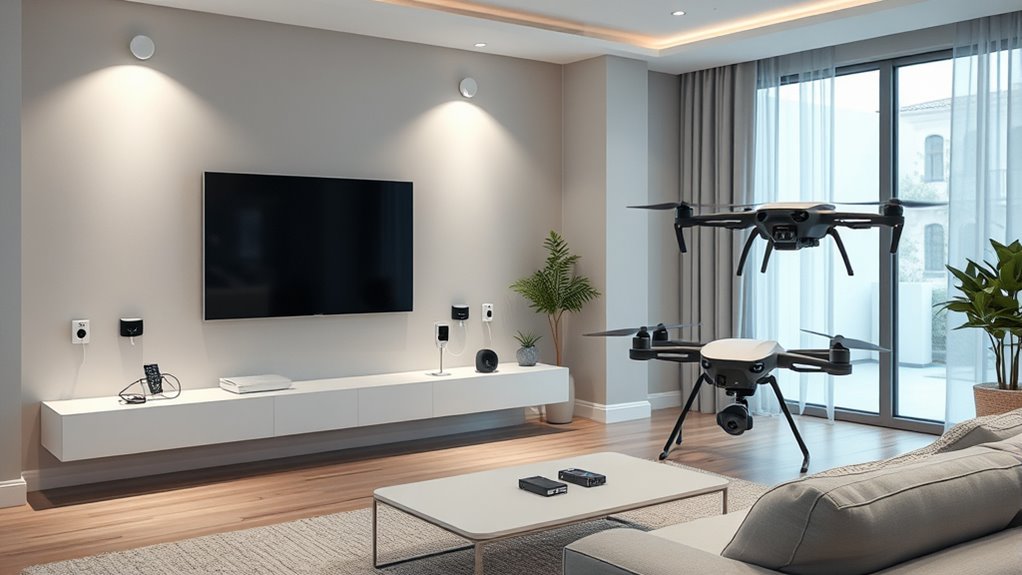
Have you ever wondered how home security has transformed over the years? It’s a story of innovation, moving from basic alarms to sophisticated, autonomous systems that actively protect your home. Today, smart home integration plays a significant role, allowing you to connect various devices into a seamless network. You can now control your security system from your smartphone, whether you’re at work or on vacation. Smart locks, cameras, motion sensors, and doorbell cameras work together, giving you real-time updates and full control over your home’s security. This integration not only enhances convenience but also boosts security by providing multiple layers of protection that are easy to manage.
The evolution hasn’t stopped there. Modern systems leverage advancements in artificial intelligence, especially AI threat detection, to provide proactive security rather than reactive responses. Instead of just sounding an alarm when a break-in occurs, AI-powered systems analyze patterns and behaviors to identify potential threats before they happen. For example, they can distinguish between a family member returning home and an intruder, reducing false alarms. These intelligent systems learn from your habits over time, becoming more accurate and personalized in their responses. They can detect unusual activity, such as unfamiliar faces lurking around your property, and alert you immediately.
Thanks to AI threat detection, your home security becomes more autonomous. It can automatically lock doors, activate cameras, or alert authorities without your intervention. This shift from manual or preset alarm systems to intelligent, adaptive solutions means your home is constantly monitored and protected, even when you’re not actively checking your devices. The integration of AI also allows for better data analysis, which helps security providers improve their services and create smarter, more resilient systems. Additionally, the use of high refresh rates in security cameras can improve video clarity, making it easier to identify details in real-time footage.
In essence, the transformation of home security into smart, AI-enhanced systems gives you peace of mind. You don’t have to worry about forgetting to arm an alarm or missing suspicious activity. Instead, you have a system that actively monitors, learns, and responds to threats, making your home safer and more connected than ever before. The days of wired alarms that only sounded when triggered are long gone; now, your home’s security is an intelligent ecosystem working tirelessly in the background. This evolution makes it easier for you to stay connected, informed, and secure, no matter where you are.
smart home security system with AI
As an affiliate, we earn on qualifying purchases.
As an affiliate, we earn on qualifying purchases.
Frequently Asked Questions
How Do Autonomous Security Systems Improve Crime Prevention?
Autonomous security systems improve crime prevention by actively monitoring your home’s behavior patterns and detecting unusual activity. They analyze data in real time, allowing them to send instant alerts if something suspicious happens. This proactive approach helps you respond quickly, whether by alerting authorities or activating deterrents. With continuous behavior monitoring and timely alerts, you get a smarter, more effective way to keep your home safe and prevent crimes before they happen.
What Are the Privacy Implications of Smart Security Devices?
You should be aware that smart security devices raise significant privacy concerns, especially regarding data privacy and surveillance. These devices constantly collect and share footage or data, which could be accessed or misused by unauthorized parties. You might worry about who has access to your information and how it’s stored. To protect yourself, review privacy settings carefully and choose devices with strong security features to minimize surveillance concerns.
Can Older Wired Alarms Be Integrated With Modern Smart Systems?
Yes, older wired alarms can often be integrated with modern smart systems, but you might face compatibility challenges. Wired integration requires additional adapters or hubs that bridge the gap between your existing wired alarm and new smart technology. You’ll need to check if your system supports these integrations or consult a professional to guarantee seamless compatibility. This way, you can enjoy the benefits of smart features without replacing your entire wired setup.
What Are the Costs Associated With Upgrading to Autonomous Security?
Upgrading to autonomous security involves a significant investment, but it offers advanced protection. You’ll face a cost analysis that includes equipment prices, monthly subscription fees, and installation expenses. While initial costs can be high—similar to buying a new car—the long-term benefits like remote monitoring and automation justify the expense. Expect to spend a few hundred to several thousand dollars depending on system complexity, making it essential to weigh upfront costs against ongoing security benefits.
How Reliable Are Autonomous Security Systems During Power Outages?
Autonomous security systems are generally reliable during power outages because they include a battery backup that maintains functionality. You can trust these systems to provide power resilience, ensuring continuous protection even when the main power supply is disrupted. Just make sure to regularly check and replace the backup batteries to keep your system operational. With proper maintenance, your autonomous security system will offer dependable security without interruption during outages.
Conclusion
As you’ve seen, home security has come a long way, evolving from simple wired alarms to sophisticated autonomous systems. This journey mirrors your own need for growth and adaptation—embracing change isn’t just about technology, but about safeguarding what matters most. Just as security systems evolve, so do your chances to stay one step ahead. Remember, progress isn’t just a path forward; it’s a promise that your home’s safety keeps pace with your life’s ever-changing rhythm.
NFL season / tailgating Picks
team gear
As an affiliate, we earn on qualifying purchases.