TL;DR
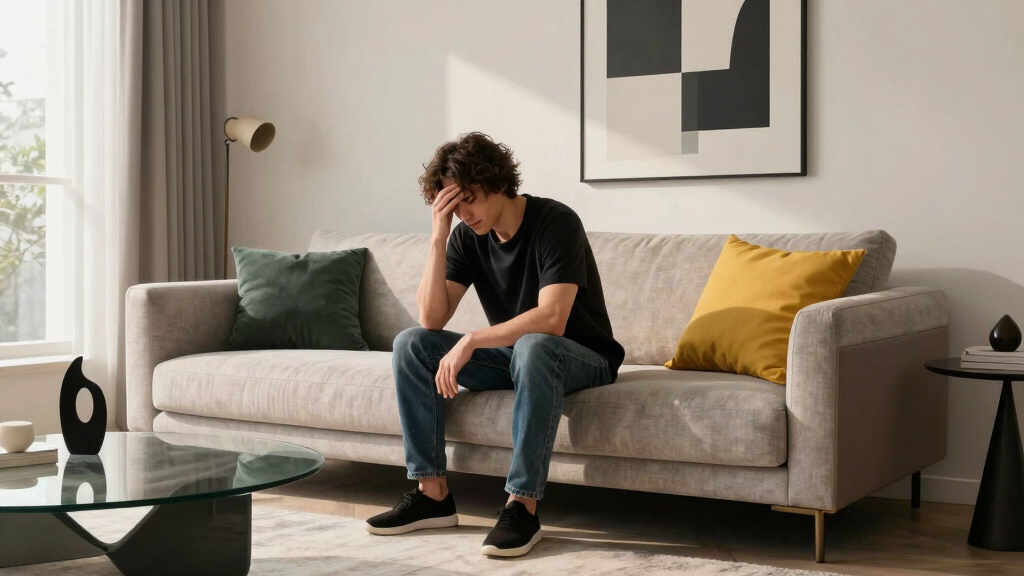
Emerging research indicates that modern interior decor might impair cognitive processes. Experts warn that certain design choices could be contributing to mental fatigue and stress.
Recent research suggests that certain elements of modern interior decor may be contributing to increased mental fatigue and stress among individuals. Experts warn that popular design trends, characterized by minimalism, high contrast, and clutter-free spaces, could be impacting brain function and mental well-being.
Multiple studies published in late 2023 indicate a correlation between specific modern decor features and cognitive strain. Researchers from cognitive science and environmental psychology fields have observed that environments with harsh lighting, monochrome color schemes, and clutter-free spaces may hinder concentration and increase mental fatigue.
One study, conducted by the Cognitive Environment Institute, involved monitoring participants’ brain activity while they interacted with various interior styles. The results showed heightened levels of stress and decreased focus in spaces designed with high-contrast, minimalist aesthetics. Experts caution that these findings do not establish direct causation but suggest a potential link worth further investigation.
Design trend analysts note that the shift toward stark, simplified interiors aims to promote calm and order, but mental health professionals are raising concerns about possible unintended effects on cognition. Some psychologists suggest that overly sterile environments might reduce sensory stimulation, which is vital for maintaining mental alertness.
Implications of Modern Decor on Mental Health
This research matters because it highlights a potential unintended consequence of popular interior design trends. If certain decor choices contribute to mental fatigue, it could impact productivity, emotional well-being, and overall quality of life. Mental health experts emphasize the importance of designing spaces that support cognitive function, especially as more people spend increased time in their homes.
Understanding how interior environments influence brain health could lead to more informed design practices and guidelines that prioritize mental well-being alongside aesthetics. The findings also open a broader conversation about how modern lifestyles and environments shape mental health outcomes.
soothing ambient lighting for home
As an affiliate, we earn on qualifying purchases.
As an affiliate, we earn on qualifying purchases.
Rise of Minimalism and Its Cognitive Impact
Over the past decade, interior design has shifted towards minimalism, characterized by clean lines, neutral palettes, and clutter-free spaces. This trend was initially driven by a desire for simplicity and calm but has gained popularity in response to increasing urbanization and digital overload.
Previous research in environmental psychology has shown that sensory stimulation from surroundings can influence mood and cognitive performance. However, the recent studies specifically link certain modern decor elements—such as stark contrast, monochrome schemes, and minimal clutter—to increased mental load and fatigue, particularly in work and living spaces.
While some experts argue that minimalism reduces distractions, others suggest that excessive simplicity might deprive the brain of necessary sensory input, leading to decreased alertness and increased stress over time.
“Our environment plays a crucial role in how our brain functions. The current trend of stark, minimalist decor might be unintentionally contributing to mental fatigue.”
— Dr. Emily Carter, cognitive psychologist
Unconfirmed Links Between Decor and Cognitive Strain
While recent studies suggest a correlation, it is not yet confirmed that modern decor directly causes increased mental fatigue. Researchers acknowledge that individual differences, environmental factors, and lifestyle choices also influence cognitive health. Further research is needed to establish causality and determine the specific design elements most impactful.
Further Research and Design Guidelines Development
Researchers plan to conduct larger-scale studies to verify the initial findings and explore how different design features influence brain function over time. Meanwhile, mental health and interior design professionals are expected to collaborate on developing guidelines that balance aesthetic appeal with cognitive well-being. Public awareness campaigns may also emerge to inform consumers about the potential impacts of decor choices.
Key Questions
Can interior decor really affect mental health?
Yes, emerging research suggests that certain design elements can influence cognitive function and mental well-being, though more studies are needed to confirm causality.
Which decor features are most linked to mental fatigue?
Features such as high contrast, monochrome color schemes, and clutter-free, sterile environments have been associated with increased mental load in recent studies.
Should I change my home decor to improve mental health?
While definitive advice is premature, experts recommend creating environments that balance calm with sensory stimulation, such as incorporating warm colors and cozy textures.
Are these findings applicable to workplaces or only homes?
The studies focus on both residential and office environments, suggesting that decor in any space where people spend significant time could impact cognitive health.
When will more conclusive research be available?
Researchers plan to conduct further studies over the next year, aiming to establish clearer links and develop practical design recommendations.
Source: hn