To effectively remove dust, pollen, and pet dander, dust surfaces regularly with a damp cloth to prevent airborne particles, and vacuum with a HEPA-filtered machine to trap allergens hidden in carpets and upholstery. Wash bedding, curtains, and plush toys weekly in hot water to eliminate trapped allergens. Keep clutter to a minimum and verify your vacuum filters are clean. Using these techniques consistently can vastly improve your indoor air quality—keep going to discover even more ways to reduce allergens.

Get decor and gifts delivered free — and shop member deals
- Fast, free delivery on millions of items
- Access to Prime Big Deal Days deals on October 6–7
- Prime Video, Amazon Music and more included
Key Takeaways
- Dust surfaces regularly with a damp cloth to prevent airborne dust particles.
- Vacuum carpets, rugs, and upholstery with HEPA-filter-equipped vacuums for effective allergen removal.
- Wash bedding, curtains, and plush toys weekly in hot water to eliminate dust mites, pollen, and dander.
- Maintain a clutter-free environment to reduce dust accumulation and make cleaning more effective.
- Clean air vents and replace HVAC filters frequently to minimize indoor allergens circulating.
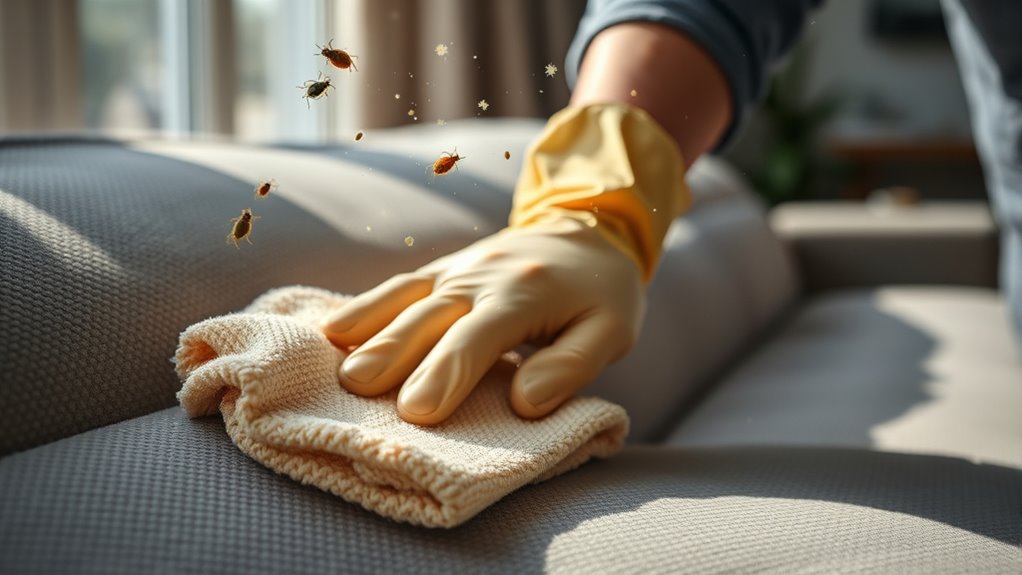
Have you ever wondered how to reduce allergens in your environment effectively? If you’re tired of sneezing fits, itchy eyes, or stuffy noses, tackling dust, pollen, and pet dander is essential. One of the most effective ways is by investing in an air purifier, which offers numerous benefits. Air purifier benefits include capturing airborne particles that trigger allergies, improving the air quality in your home, and helping you breathe easier. Look for models with HEPA filters, as they can trap tiny particles like pollen and pet dander, considerably reducing your allergy symptoms. Pairing this with allergy-proof bedding elevates your defense against allergens. Allergy-proof bedding, such as hypoallergenic pillow covers, mattress encasements, and duvet protectors, creates a barrier that prevents dust mites and pet dander from settling into your sleeping environment. When you use allergy-proof bedding, you’re less likely to wake up congested or with itchy skin, making your sleep more restful and less interrupted.
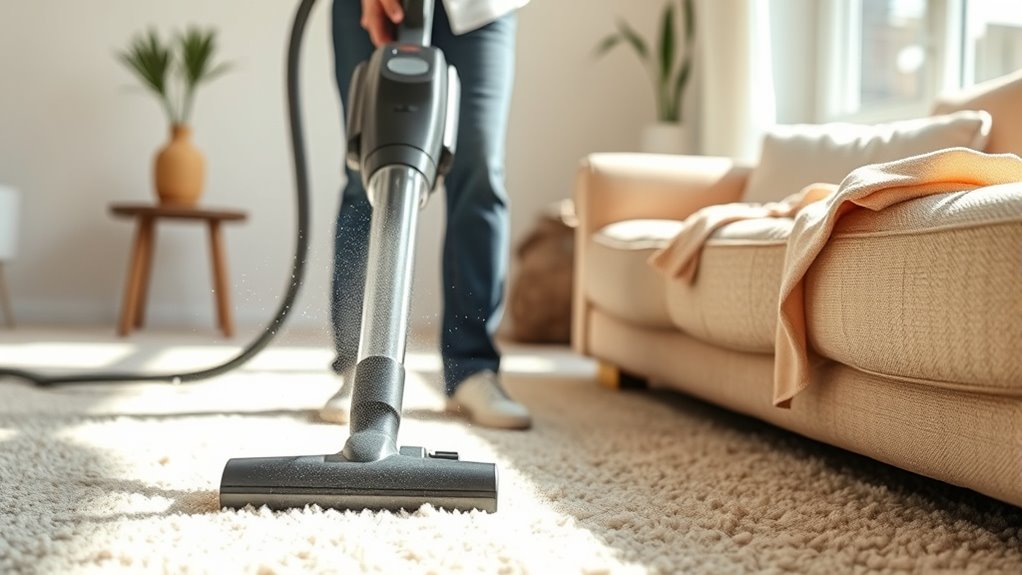
Cleaning techniques play an essential role in allergen reduction, too. Regularly dusting surfaces with a damp cloth prevents dust from becoming airborne again. Vacuuming carpets, rugs, and upholstery with a vacuum equipped with a HEPA filter helps remove accumulated allergens from deep within fibers. Don’t forget to clean your vacuum regularly, as clogged filters lose efficiency. Washing bedding, curtains, and plush toys weekly in hot water kills dust mites and removes pollen and pet dander. When you wash your bedding, including allergy-proof covers, you’re eliminating a substantial source of allergens that can otherwise lurk in your sleeping space. Using an air purifier with a HEPA filter can further enhance your indoor air quality by capturing small particles that traditional filters might miss. It’s also wise to keep windows closed during high pollen seasons to prevent outdoor allergens from entering your home. Using a dehumidifier can help maintain indoor humidity levels below 50%, discouraging dust mites and mold growth, which thrive in moist environments. Additionally, maintaining a clutter-free environment minimizes dust collection on surfaces and in hard-to-reach corners. Regularly cleaning air vents and replacing filters ensures your HVAC system continues to circulate clean air, reducing airborne allergens.
As an affiliate, we earn on qualifying purchases.
Frequently Asked Questions
How Often Should I Replace Air Filters for Allergen Control?
You should replace your air filter every 1 to 3 months to maintain ideal allergen filtration efficiency. The air filter lifespan varies based on usage, pets, and indoor air quality, but regular changes ensure it continues capturing dust, pollen, and dander effectively. If you notice reduced airflow or increased allergy symptoms, it’s a sign to replace the filter sooner. Consistent replacement keeps your home healthier and allergen levels lower.
Can Natural Cleaning Products Effectively Remove Indoor Allergens?
Ever wonder if natural cleaning products can truly eliminate indoor allergens? They can be effective when made from natural ingredients like vinegar, baking soda, and essential oils, which help break down dust, pollen, and dander. These ingredients are safe and eco-friendly, offering allergen removal without harsh chemicals. Regular use of natural cleaners can markedly improve indoor air quality, making your space healthier and more comfortable for allergy sufferers.
What Are the Best Methods to Clean Upholstered Furniture?
To clean upholstered furniture effectively, start with an upholstery deep cleaning using a vacuum with a brush attachment to remove dust, pollen, and dander. Next, consider fabric treatment options like steam cleaning or specialized upholstery shampoos for deeper dirt. Always test a small, hidden area first. Regular maintenance and prompt spot cleaning help keep allergens at bay, making your furniture healthier and fresher.
Do Houseplants Help Reduce Indoor Dust and Pollen?
Yes, houseplants can help improve indoor air quality by reducing dust and pollen levels. They naturally filter the air, trapping particles and increasing humidity. To maximize benefits, you should regularly maintain your plants through proper plant maintenance—watering, pruning, and cleaning their leaves. This ongoing care guarantees your houseplants continue to contribute to cleaner air, making your home healthier and more comfortable.
How Can I Minimize Allergen Buildup in HVAC Systems?
To minimize allergen buildup in your HVAC system, start by regularly replacing or upgrading your filters with high-efficiency ones. Confirm air duct sealing is tight to prevent dust and allergens from entering. Schedule professional duct cleaning periodically to remove accumulated debris. These steps help keep allergens out of your indoor air, reduce allergy symptoms, and improve overall air quality in your home.
Conclusion
By mastering these cleaning techniques, you’re fundamentally wielding a shield against sneezing fits and stuffy noses. Think of your home as a fortress where dust, pollen, and dander are the invaders, and your diligent cleaning as the mighty sword defending your comfort. Keep up these practices regularly, and you’ll turn your space into a revitalizing gust — a sanctuary where allergens retreat, and you breathe easy, free from their unwelcome grip.
Fall Picks
fall essentials
As an affiliate, we earn on qualifying purchases.