To keep your garage door safe, checking the safety sensors is vital and can’t be skipped. Regularly test the sensors by placing an object in their path to verify the door reverses or stops properly. Make sure the sensors are clean, aligned correctly, and facing each other directly. If they aren’t functioning properly, it can lead to accidents. Stay informed on how to perform these checks thoroughly to keep everyone safe—more tips follow if you keep going.
Key Takeaways
- Regularly test safety sensors by placing an object in their path to ensure the door stops or reverses properly.
- Keep sensors properly aligned and free of dirt or obstructions for accurate detection.
- Confirm sensors face each other directly and are clean for optimal communication.
- Conduct routine safety checks, including auto-reverse and sensor responsiveness, to prevent accidents.
- Never skip sensor testing; it’s essential for garage door safety and preventing injuries.
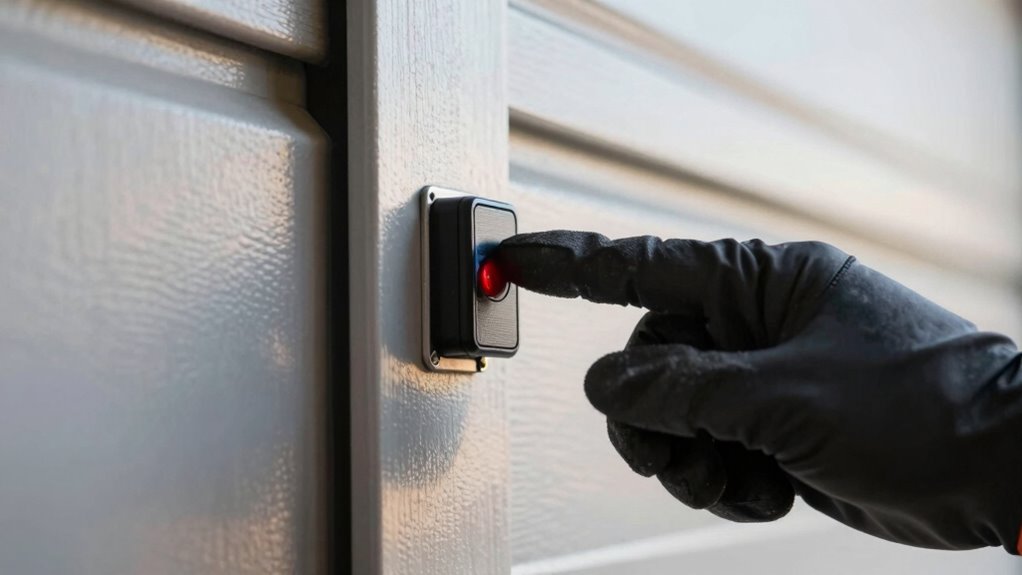
Garage door controllers have become essential for modern homeowners looking for convenience and security. With just a press of a button on your remote control, you can effortlessly open or close your garage door without stepping outside. This ease of use is one of the main reasons these systems are so popular today. But beyond convenience, safety is a crucial factor that often gets overlooked. Ensuring your garage door’s safety features are working properly is vital to prevent accidents and injuries.
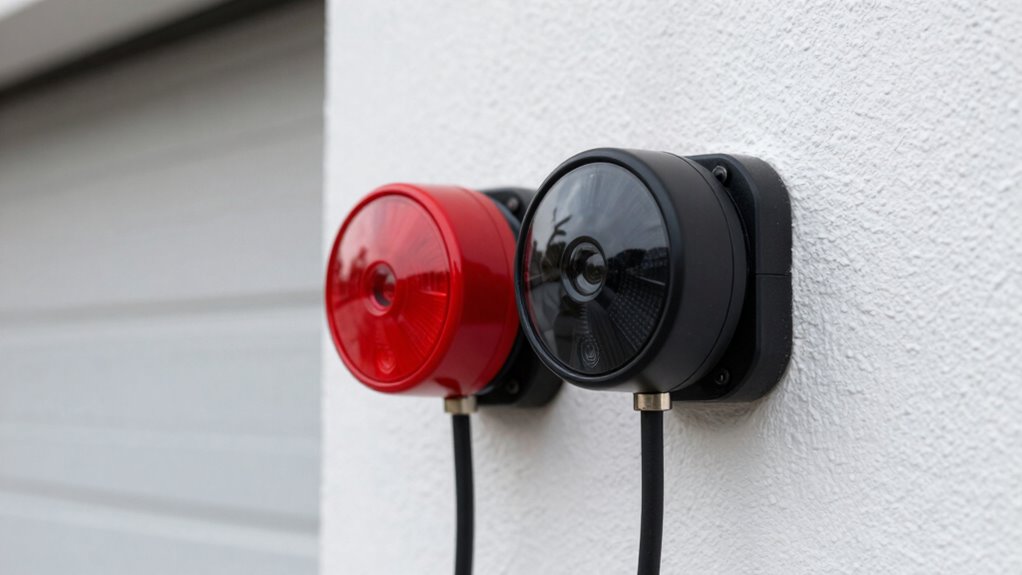
Your remote control is more than just a device for opening and closing the door; it’s a gateway to safety. Many modern garage door controllers come equipped with safety sensors designed to detect objects or people in the door’s path. These sensors create an invisible beam that, when interrupted, automatically stop or reverse the door’s movement. This feature is especially important if you have children or pets, as it prevents the door from closing on them unexpectedly. Regularly testing these safety features should be part of your routine maintenance. To do this, simply place an object in the sensor’s path and attempt to close the door. If the door doesn’t reverse or stop, it indicates a problem that needs immediate attention.
You might assume that if your garage door responds to your remote control, it’s functioning safely. However, that’s not always the case. Remote controls can sometimes malfunction or lose sync with the opener, which might lead you to believe the safety features are active when they’re not. It’s important to check that the safety sensors are aligned correctly and free of dirt, dust, or obstructions that could interfere with their operation. Clean the sensors regularly and make sure they face each other directly for proper communication. Additionally, understanding the contrast ratio of your system can help you assess its visibility in different lighting conditions, ensuring the safety sensors operate optimally.
In addition to the safety sensors, many controllers have built-in features like auto-reverse and manual lockout options. Auto-reverse is a safety feature that automatically reverses the door if it encounters resistance while closing. If this feature isn’t working, it’s a serious hazard. Test it by gently pressing the door down with a small object—if it doesn’t reverse upon contact, you need to call a professional. The manual lockout option prevents unauthorized access, adding an extra layer of security, and should be enabled when you’re away from home for extended periods.
Paying attention to your garage door’s safety features and testing them regularly isn’t just a good idea; it’s a necessary step to keep your family safe. Your remote control provides convenience, but the safety sensors and features are what truly protect you from potential accidents. Don’t skip this vital check—make it part of your routine to ensure your garage door operates safely and reliably every day.
Frequently Asked Questions
How Often Should I Test My Garage Door Safety Sensors?
You should test your garage door safety sensors monthly to guarantee proper sensor calibration and safe operation. To do this, simply close the door and wave an object in front of each sensor; the door should stop or reverse. If the sensors aren’t working correctly, check for misalignment or dirt, and consider sensor replacement if they’re damaged. Regular testing keeps your garage door safe and functioning smoothly.
Can Safety Sensors Be Bypassed During Repairs?
You shouldn’t bypass safety sensors during repairs, as over 80% of garage door injuries involve sensor issues. Bypassing is risky and can lead to accidents. If sensor wiring is faulty, it’s better to replace the sensors altogether. Bypassing may seem easy, but it compromises safety. Always follow manufacturer instructions and make certain sensor wiring is correct or opt for sensor replacement to keep your garage safe.
What Should I Do if Sensors Are Misaligned?
If your sensors are misaligned, you should first perform sensor adjustment by gently realigning them so they face each other directly. Then, check for dirt or debris and clean the sensors with a soft cloth to make certain nothing blocks the signal. Afterward, test the garage door to see if it functions properly. Regular sensor adjustment and cleaning help maintain safety and prevent future issues.
Are Safety Sensors Required by Law?
Did you know that over 90% of garage door-related injuries could be prevented with proper safety sensor installation? Safety sensors are required by law in many areas to prevent accidents. These legal requirements guarantee your garage door operates safely, especially during sensor misalignment or failure. You must install and maintain sensors correctly to meet regulations, protecting both your family and visitors from potential harm.
How Do I Reset My Garage Door Safety Sensors?
To reset your garage door safety sensors, start by checking the sensor alignment; make sure they’re facing each other directly and nothing is blocking the path. If the sensors still don’t work, try cleaning the lenses and realigning them. If that doesn’t help, you might need sensor replacement. After adjustments, press the garage door opener’s reset button, and test the sensors by closing the door to guarantee safety.
Conclusion
Remember, checking your garage door’s safety sensors isn’t just a quick task—it’s a crucial step to guarantee your family’s safety. Skipping this check could lead to accidents or damage that could have been prevented. So, next time you operate your garage door, ask yourself: are you truly safeguarding everyone in your home? Taking a moment to verify those sensors keeps your garage door functioning smoothly and your loved ones protected. Isn’t that a risk worth avoiding?