To make everyday maintenance easier to remember, set specific routines and use tools like checklists and reminders. Allocate regular time slots for tasks and keep supplies ready nearby to save time. Use digital alerts or alarms to prompt you on scheduled chores, and break tasks into small steps to avoid feeling overwhelmed. Incorporating eco-friendly habits can also boost consistency. Keep exploring ways to simplify your routine, and you’ll find it becomes second nature over time.

Get decor and gifts delivered free — and shop member deals
- Fast, free delivery on millions of items
- Access to Prime Big Deal Days deals on October 6–7
- Prime Video, Amazon Music and more included
Key Takeaways
- Establish and stick to a consistent schedule with specific times dedicated to maintenance tasks.
- Use checklists to break down routines and track completed tasks for better organization.
- Set digital reminders or alarms to prompt regular maintenance activities automatically.
- Keep maintenance tools and supplies organized and easily accessible to save time and prevent missed steps.
- Incorporate eco-friendly practices to make routines sustainable and more memorable through positive reinforcement.
Ever wondered how to streamline maintenance tasks and save yourself time and effort? The key lies in improving your approach to daily upkeep, making it easier to remember what needs doing without feeling overwhelmed. One effective way to do this is by sharpening your time management skills. When you allocate specific times for maintenance tasks, it becomes a routine rather than a chore. Consistency is essential, so try to set aside a few minutes each day or week dedicated solely to these chores. This way, maintenance becomes part of your schedule rather than an afterthought. Incorporating small wood stove maintenance tips into your routine can also help ensure your stove runs efficiently and safely. Developing an understanding of home maintenance schedules can further empower you to stay ahead of potential issues before they escalate, especially when you understand how preventive measures contribute to long-term upkeep. Establishing a regular review of your maintenance plan can also help you adapt to changing needs and avoid neglecting essential tasks.
Schedule regular maintenance time to turn chores into easy, consistent routines.
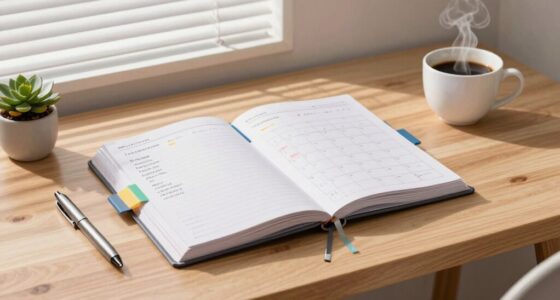
Another powerful tool is checklist strategies. Creating a simple, clear checklist can help you stay organized and guarantee you don’t forget essential tasks. Break down your maintenance routine into manageable steps—such as inspecting filters, checking smoke alarms, or lubricating hinges—and tick them off as you complete each one. This not only keeps you on track but also gives you a sense of accomplishment, motivating you to stay consistent. Keep your checklist accessible—pin it on the fridge, keep it in your phone, or on a wall—so it’s always within reach when you need it. Additionally, understanding the importance of biodiversity can motivate you to incorporate eco-friendly practices into your routine, benefiting both your home and the environment.
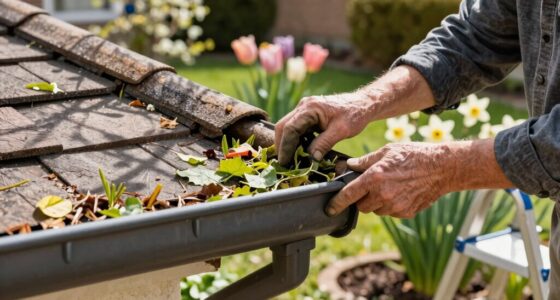
Using reminders can also boost your memory for routine maintenance. Digital calendars, alarms, or notification apps can prompt you when it’s time to perform specific tasks. For example, schedule a monthly reminder to clean gutters or change HVAC filters. This proactive approach removes the mental burden of trying to remember everything on your own. Over time, these reminders become automatic, and maintenance becomes a seamless part of your daily or weekly rhythm. Implementing these tools can also help you better understand the importance of routine in maintaining a healthy and safe home environment.
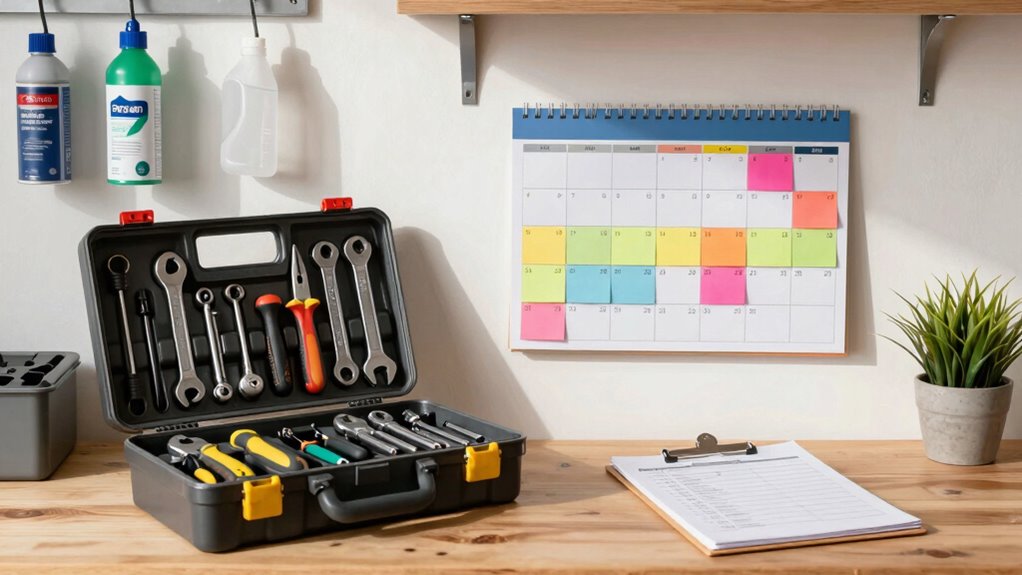
Additionally, streamline your process by preparing all necessary tools and supplies in advance. Keep a dedicated maintenance kit nearby so you’re not hunting for screwdrivers, gloves, or cleaning solutions when the time comes. This saves valuable time and reduces the chance of skipping steps because you’re unprepared. Incorporate small, habitual actions into your routine—like inspecting appliances when you do laundry or checking outdoor fixtures before winter arrives. These little habits, reinforced by your checklist strategies and scheduled time blocks, make maintenance feel less like a task and more like a normal part of your day. Embracing sustainable living practices, such as using environmentally friendly cleaning products, can also contribute to a healthier home and planet.
As an affiliate, we earn on qualifying purchases.
Frequently Asked Questions
How Can Technology Help Remind Me of Maintenance Tasks?
Technology helps you remember maintenance tasks through smart notifications and automated reminders. You can set these alerts on your smartphone or smart home devices, ensuring you get timely prompts when tasks are due. These reminders eliminate guesswork, keeping you on schedule effortlessly. By customizing notifications, you stay organized and prevent overlooked chores, making maintenance easier and more consistent without having to remember everything manually.
What Are the Best Tools for Tracking Maintenance Schedules?
Think of maintenance tools as your reliable compass in a sea of tasks. Apps like UpKeep or Fiix excel at tracking schedules, combining inventory management with scheduling automation. They send reminders, organize work orders, and help you prioritize tasks efficiently. With these tools, you turn chaos into clarity, ensuring you never miss a maintenance beat. Embrace technology to keep your routine smooth and your equipment in top shape.
How Do I Prioritize Maintenance Tasks Effectively?
To prioritize maintenance tasks effectively, start with preventive strategies that address the most critical issues first. Break down tasks into urgent and non-urgent categories, focusing on safety and essential functions. Use task delegation to distribute responsibilities, ensuring nothing gets overlooked. Regularly review and adjust your schedule based on equipment performance and deadlines. This approach keeps maintenance manageable, reduces downtime, and enhances overall efficiency.
Can Maintenance Checklists Improve Long-Term Upkeep?
Yes, maintenance checklists can considerably improve long-term upkeep. They serve as preventative strategies, ensuring you don’t overlook routine inspections or essential tasks. By following a detailed checklist, you develop a habit of consistent maintenance, which helps catch issues early and extends the lifespan of your equipment or property. Checklists keep you organized, making it easier to stay on top of tasks and maintain your assets effectively over time.
How Often Should I Review My Maintenance Plan?
You should review your maintenance plan at least quarterly to keep it effective. Regular maintenance scheduling helps you stay on top of tasks, while reminder systems make sure you don’t forget important checks. Set alerts or notifications for each maintenance activity, and adjust your plan as needed based on equipment performance or changing conditions. Consistent reviews help prevent breakdowns, extend equipment life, and keep your maintenance routine efficient.
Conclusion
Remember, sticking to a maintenance routine can cut your repair costs by up to 25%. By setting reminders, creating checklists, and staying consistent, you make upkeep less of a chore. When maintenance becomes part of your daily habits, it’s easier to catch small issues before they turn into costly problems. Keep it simple, stay organized, and you’ll find that maintaining your home or vehicle becomes second nature—saving you time, money, and stress in the long run.
Fall Picks
fall essentials
As an affiliate, we earn on qualifying purchases.