TL;DR

Get decor and gifts delivered free — and shop member deals
- Fast, free delivery on millions of items
- Access to Prime Big Deal Days deals on October 6–7
- Prime Video, Amazon Music and more included
Ideal Home reports that a stick of chalk, which may cost about £2, can be drawn around doors, windows and other suspected entry points as a possible spider deterrent. Pest and home-maintenance experts quoted in the report caution that chalk is not a guaranteed barrier: it can wear away, may mark some surfaces and is best combined with sealing gaps and other prevention measures.
Ideal Home has reported that a stick of chalk costing about £2 could help discourage spiders from crossing into homes this autumn when drawn around doors, windows and other possible entry points. The advice comes with a qualification: experts quoted in the report describe chalk as an additional deterrent, not a reliable way to keep every spider out.
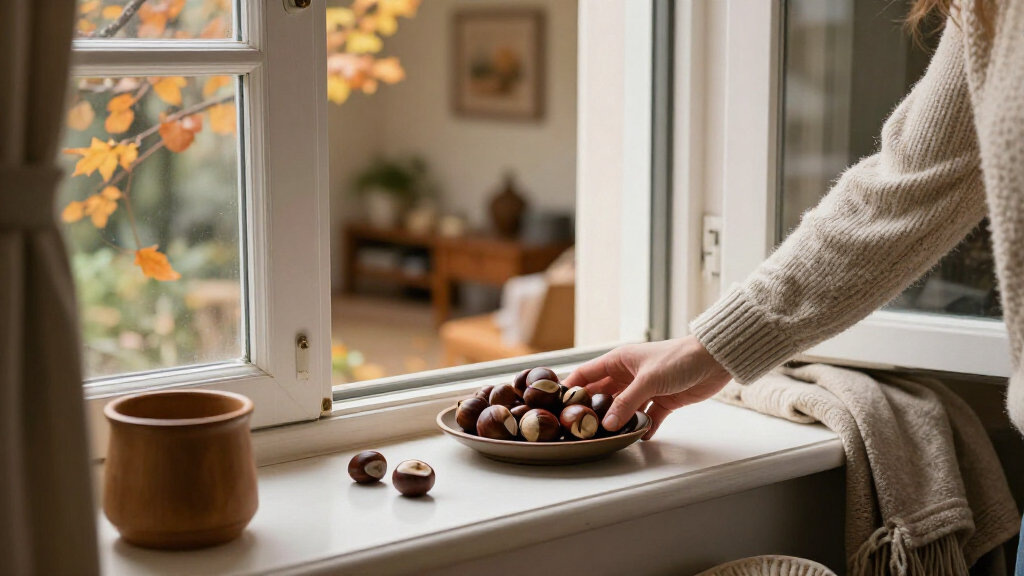
The suggested method is to draw a chalk line around likely routes indoors, including door thresholds, window frames, windowsills and small gaps around frames. Mosh Latifi, co-owner of EcoCare Pest Management, told Ideal Home that chalk is made of calcium carbonate and said its dry, powdery surface may make an area unpleasant for spiders to cross. He also said the texture could interfere with the grip of their feet.
The report advises applying chalk on a dry day, since moisture can weaken the line. Latifi said barriers also wear away through damp, foot traffic and cleaning, so they need regular refreshing. Emily Green, a home-maintenance expert at Howarth Timber, advised testing chalk on a hidden patch first because it can mark some surfaces.
Neither expert presents chalk as a complete solution. Green described it as an extra measure, while Latifi said a maintained line may act as a deterrent but might not make spiders avoid an area permanently. The report also suggests reducing open routes into the home and sealing visible gaps; it mentions peppermint or eucalyptus scents as additional measures, but provides no evidence that these methods guarantee results.
A Low-Cost Measure With Limits
For householders looking for a low-cost, simple step during autumn, chalk may be worth trying at a suspected entry point. Its appeal is that it can be applied with an ordinary household item rather than specialist equipment. But the practical limits matter: a line must stay dry and undisturbed, and some surfaces could be marked.
The advice also points to a broader distinction between deterring and excluding. Chalk may make a route less appealing, according to the experts quoted, but sealing gaps physically addresses the opening itself. Readers should not assume that drawing a line will prevent spiders from entering, or that the suggested household methods have been shown in this report to work for every home or species.
As an affiliate, we earn on qualifying purchases.
Why Autumn Brings More Sightings
The Ideal Home report links the seasonal advice to increased spider activity in autumn and says early October is a useful time to put a barrier in place. Latifi told the publication that male spiders are moving around during the mating season and searching for access indoors. This is an expert’s explanation in the report, rather than a finding supported there by specific seasonal survey data.
The chalk suggestion is presented as one of several household approaches, alongside keeping windows closed where practical, limiting gaps around frames and managing conditions that can attract pests. The article recommends a layered approach, but does not cite controlled trials or give measured figures for how much chalk reduces spider numbers.
“Test the chalk on a discreet area first as it can mark some surfaces.”
— Emily Green, quoted by Ideal Home
How Reliable Is the Chalk Barrier?
The source does not provide independent test results, measured reductions in spider sightings or a comparison with other methods. It is unclear how reliably chalk deters different spiders, how often a household would need to redraw it, or whether it is suitable for every surface. The quoted experts describe a possible deterrent, not a proven guarantee that spiders will stay out.
The article also offers no evidence that peppermint or eucalyptus scents, or changes to lighting and humidity, will prevent spiders from entering. Their effectiveness in a particular home remains uncertain, and visible gaps may still provide access unless they are properly sealed.
Practical Steps Before Applying Chalk
Readers considering the method can first identify likely entry points, then check that the surface is dry and test a small, hidden area. If chalk is used, the line will need inspection and refreshing after rain, cleaning or heavy foot traffic. The article gives no fixed refresh schedule, so frequency depends on conditions.
For a more direct prevention step, the report recommends closing windows where possible and sealing visible gaps around frames and doors. Ideal Home does not report a formal trial, product test or follow-up measurement; the effectiveness of chalk in individual homes remains to be seen.
Key Questions
Does chalk keep spiders out of a home?
It may discourage some spiders from crossing a treated area, according to experts quoted by Ideal Home, but the report says it should be treated as an extra deterrent rather than a guarantee.
Where should a chalk line be drawn?
The report suggests possible entry points such as door thresholds, window frames, windowsills and small gaps around frames. Test the surface first because chalk may leave marks.
How often does a chalk barrier need refreshing?
There is no set timetable in the report. Chalk can wear away with moisture, cleaning and foot traffic, so check it and redraw it when the line has faded or been disturbed.
What else can help reduce spider access?
The report recommends a layered approach, including sealing visible gaps and limiting open routes through windows and doors. It also mentions scent sprays and household conditions, but does not establish that those measures work reliably.
Source: rss
Fall Picks
fall essentials
As an affiliate, we earn on qualifying purchases.