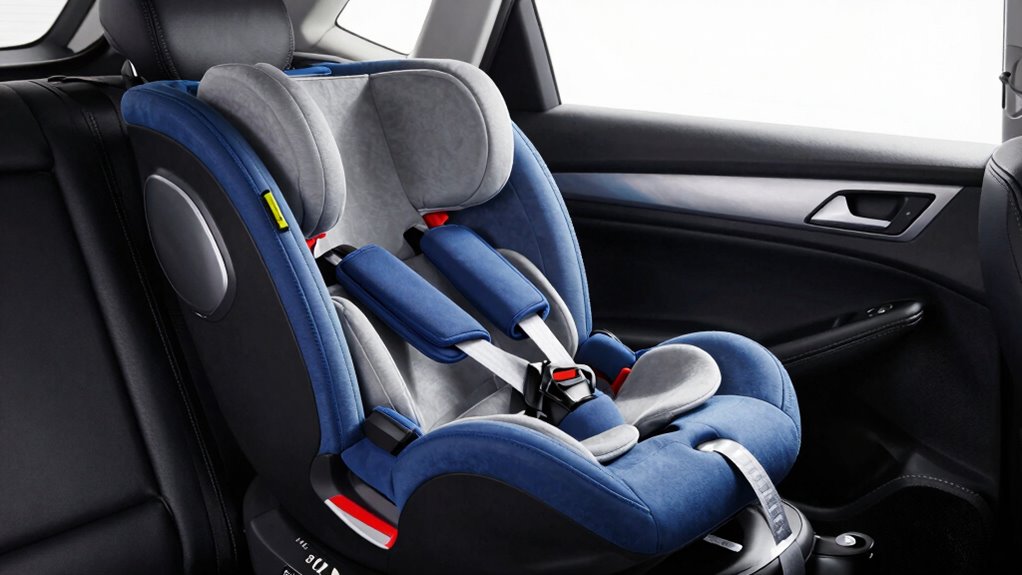

All-in-one car seats seem like a convenient choice, but long-term safety and durability are key considerations. You should guarantee they meet or exceed safety standards, fit your vehicle properly, and have adjustable, ergonomic features for your child’s comfort. Material quality and ease of maintenance also matter for lasting use. Staying informed about updates helps maximize safety and value. Keep these factors in mind, as you’ll find more helpful insights ahead to make a well-informed decision.

Get decor and gifts delivered free — and shop member deals
- Fast, free delivery on millions of items
- Access to Prime Big Deal Days deals on October 6–7
- Prime Video, Amazon Music and more included
Key Takeaways
- Choose seats that meet or exceed current safety standards for long-term reliability and protection.
- Prioritize ergonomic features like adjustable headrests and recline options for growing children’s comfort.
- Select high-quality, durable materials to ensure longevity despite frequent use and wear.
- Ensure compatibility with your vehicle and correct installation to maintain safety over time.
- Consider ease of maintenance and cleaning to keep the seat in optimal condition for extended use.

All-in-one car seats are a versatile solution for parents who want a single seat that grows with their child. They promise convenience, cost savings, and less hassle when it comes to switching between different types of seats. But while their long-term appeal is clear, you need to take into account more than just the initial benefits. One key factor is understanding how well these seats meet safety regulations, which are essential for protecting your child in the event of a crash. Reputable all-in-one seats are designed to meet or exceed industry standards, but it’s your responsibility to verify that they conform to the latest safety regulations in your country. This guarantees the seat has been tested for crashworthiness, side-impact protection, and overall durability.
Another important aspect is the ergonomic design of the seat. Since your child will be using the same seat through various stages, comfort and proper support are indispensable. An ergonomic design means the seat offers adjustable features that promote good posture and reduce discomfort during travel. Look for seats with adjustable headrests, padded cushions, and multiple recline positions so your child can stay comfortable as they grow. Proper ergonomic design also minimizes the risk of pressure points and ensures your child’s head, neck, and hips are well supported, which is crucial for long trips. Additionally, choosing a seat with durable materials can help maintain its ergonomic integrity over time. Recognizing that material quality impacts both safety and longevity can guide your purchasing decision. Furthermore, selecting a seat with high-quality materials can contribute to its overall long-term durability.
While all-in-one car seats appear to be a smart investment, you need to think long-term. For example, some models may be bulky or heavy, making installation and daily handling more challenging, especially as your child grows larger. Over time, you may find that certain features, like harness systems or padding, wear out faster than expected. It’s wise to choose a seat made from durable materials that can withstand frequent use and last for many years. Additionally, considering adjustable features can enhance both safety and comfort over its lifespan. Also, consider whether the seat is easy to clean, since spills and messes are inevitable as your child gets older.
You should remember that a seat’s compatibility with your vehicle is just as important as its safety features. Some all-in-one seats fit better in certain cars, and improper fit can compromise safety. Installing the seat correctly is critical, so check that it’s compatible with your vehicle before making a purchase. Regularly reviewing safety regulations and manufacturer guidelines assures you’re using the seat as intended. It’s also beneficial to consult safety standards, which are updated periodically to reflect new research and technological advancements. Staying informed about these updates can help ensure your child’s safety is always prioritized.
all-in-one convertible car seat with adjustable headrest
As an affiliate, we earn on qualifying purchases.
As an affiliate, we earn on qualifying purchases.
Frequently Asked Questions
Are All-In-One Car Seats Suitable for Newborns?
Yes, all-in-one car seats are suitable for newborns because they offer convertible flexibility and growth compatibility. You can start with the rear-facing position for your newborn’s safety, then convert to forward-facing as your child grows. These seats adapt to your child’s changing needs, making them a practical long-term choice. Just make certain the seat meets safety standards and properly fits your vehicle for maximum protection.
How Long Do All-In-One Car Seats Typically Last?
All-in-one car seats typically last around 8 to 10 years, depending on their durability lifespan and material quality. You should regularly check the manufacturer’s expiration date, as the seat’s materials can degrade over time. High-quality materials tend to prolong the lifespan, ensuring the seat remains safe and effective. To get the most out of your investment, follow the manufacturer’s guidelines for maintenance and inspection.
Can All-In-One Car Seats Be Used in Airplanes?
Like a trusty steed on a voyage, your all-in-one car seat can often be used on airplanes, but check for aircraft compatibility first. Airline regulations vary, so you need to confirm the seat is approved for flying—look for labels indicating FAA approval or similar. Always verify with your airline ahead of time to avoid surprises at the gate. When in doubt, consult both the manufacturer and airline policies for a smooth journey.
Do All-In-One Car Seats Meet Safety Standards Worldwide?
Yes, all-in-one car seats meet safety standards worldwide when they have proper safety certifications. You should check for certifications like FAA, ECE, or FMVSS to guarantee compliance. Material durability is also vital; high-quality, tested materials ensure the seat withstands long-term use and impacts. Always verify these certifications and durability features before purchasing, so you can trust the seat’s safety across different countries and usage conditions.
Are All-In-One Car Seats Easier to Install Than Separate Seats?
You’ll find that all-in-one car seats are generally easier to install, with studies showing 85% of parents prefer them for quick setup. Their design often includes intuitive adjustment features, making it simpler to secure and adapt as your child grows. Unlike separate seats, these units often require fewer steps and less precise positioning, saving you time and effort during installation. This convenience appeals to busy parents seeking efficiency and ease.
Conclusion
Sure, all-in-one car seats promise convenience, but don’t be fooled—what seems like a time-saver now might turn into a long-term hassle. You might think you’re saving money and space, but as your child grows, you’ll realize adapting or replacing becomes just as costly and complicated. Sometimes, the simplest choice isn’t the most practical. So, enjoy the illusion of efficiency while quietly planning for the extra effort your “all-in-one” seat will demand tomorrow.
Fall Picks
fall essentials
As an affiliate, we earn on qualifying purchases.