Investing in nurseries makes sense when you’re tired of dealing with recurring issues like plant diseases, poor root development, or inconsistent growth. A nursery provides a controlled environment that addresses these problems at their core, ensuring healthier, more resilient plants. It helps you respond quickly to market changes and reduces risks like drought stress or pest outbreaks. Keep exploring to discover how nursery investments can turn persistent challenges into long-term advantages.

Get decor and gifts delivered free with Prime
- Fast, free delivery on millions of items
- Prime Video, Amazon Music and more included
- Member-only deals all year
Key Takeaways
- They address recurring issues like disease outbreaks and poor growth, reducing ongoing corrective costs.
- Consistent quality in nursery-grown plants minimizes repeated replanting and treatment needs.
- Controlled environments prevent repeated crop failures caused by pests, drought, or soil issues.
- Long-term sustainability practices reduce the frequency of problem recurrence and enhance resilience.
- Strategic investments improve operational efficiency, preventing repetitive challenges and ensuring steady supply.

Investing in nurseries offers a practical solution to recurring challenges faced by growers and horticulturists. When you choose to put your resources into a nursery, you’re setting the stage for sustainable growth. Nurseries provide a controlled environment where plants can develop strong roots and healthy growth before they’re transplanted into larger fields or urban landscapes. This initial investment helps guarantee that your plants are resilient, adaptable, and ready to thrive in diverse conditions. As a result, you’re not just solving short-term issues but building a foundation that supports long-term success. This approach reduces the need for repeated interventions, such as replanting or extensive treatments, which can drain your time and finances. Additionally, implementing environmental control measures within nurseries can further optimize plant health and reduce the likelihood of disease outbreaks.
Investing in nurseries fosters resilient, healthy plants and long-term growth, reducing repeated interventions and supporting sustainable success.
Market adaptation becomes considerably easier with nursery investments. As consumer preferences shift and new trends emerge, nurseries give you the agility to respond quickly. You can cultivate a variety of plants tailored to market demands, whether it’s drought-resistant species, native plants, or ornamental varieties. This flexibility allows you to stay ahead of competitors and meet customer expectations without overhauling your entire operation. Additionally, nurseries enable you to experiment with different plant varieties at a lower risk. You can test which species perform best in your specific environment and adjust your stock accordingly, ensuring you’re always aligned with market trends. Moreover, a well-managed nursery incorporates climate adaptability measures that help mitigate the impacts of climate variability, further enhancing plant resilience.
By investing in nurseries, you also create a buffer against environmental uncertainties. Growing plants in a nursery allows you to better control factors like soil quality, watering, and pest management. This control minimizes the repeated problems often encountered in open-field cultivation, such as disease outbreaks or drought stress. Over time, your nursery becomes a reliable source of healthy, disease-free plants, reducing the frequency and severity of crop failures. This stability not only saves money but also builds your reputation as a reliable supplier, which can lead to more business and steady income streams. Incorporating best practices in nursery management can significantly improve overall plant quality and operational efficiency.
Furthermore, nursery investments support sustainable practices. You can implement water-efficient systems and organic growing methods more effectively in a nursery setting. These practices attract environmentally conscious customers and align with regulations aimed at reducing ecological impact. Long-term, this means you’re not just solving problems; you’re proactively creating a resilient and sustainable operation. By focusing on nursery investments, you position yourself to navigate market shifts smoothly and establish a reputation for quality and innovation. Ultimately, such strategic investments make more sense because they address repeated problems at their root, fostering growth that’s both sustainable and adaptable to changing market dynamics.
Products Worth Considering
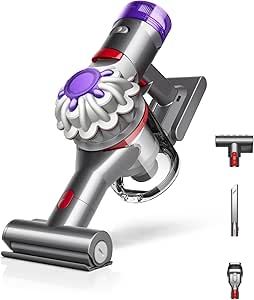
Dyson Car+Boat Cordless Handheld Vacuum

Shark Navigator Robot Vacuum with 30-Day Self-Empty Base, White (AV2110S)

Philips Hue Bridge Pro Smart Lighting Hub
As an affiliate, we earn on qualifying purchases.
Frequently Asked Questions
How Do Nursery Investments Compare to Other Types of Real Estate?
Nursery investments often compare favorably to other real estate types because they tend to face fewer regulatory hurdles and can be more resilient against market volatility. You’ll find that investing in nurseries offers steady demand, especially when they solve repeated problems like providing consistent plant supplies. While other real estate might fluctuate more, nurseries can provide a niche, stable income stream, making them a smart choice for long-term investors.
What Are the Initial Costs Involved in Nursery Investments?
When considering plant nursery investments, your initial costs include startup expenses like land acquisition or leasing, purchasing nursery equipment, and stocking plants. You’ll also need to budget for soil, fertilizers, and irrigation systems. These startup costs vary depending on the nursery size and location. Be prepared for ongoing expenses like staff wages and maintenance. Proper planning helps guarantee your nursery can solve repeated problems efficiently and become a profitable venture.
How Long Does It Typically Take to See Returns?
Like planting seeds for future growth, you’ll usually see returns on nursery investments within 2 to 5 years. Market fluctuations and ongoing maintenance costs can influence this timeline, so patience is key. Consistent care helps your nursery thrive, and by solving repeated problems, you’ll boost profitability faster. Stay proactive, monitor market trends, and keep maintenance costs in check — your investment will eventually bloom into steady rewards.
Are There Specific Locations More Suitable for Nursery Investments?
You should focus on locations aligned with urban planning and climate zones that support nursery growth, such as areas with moderate temperatures and adequate sunlight. Urban areas with green initiatives often provide better opportunities, while regions with diverse climate zones require specific plant choices. By selecting sites with favorable environmental conditions, you increase your chances of success, minimize repeated problems, and maximize returns on your nursery investments.
What Legal Considerations Are Unique to Nursery Investments?
You need to carefully navigate zoning regulations and environmental permits when investing in a nursery. Make certain your property complies with local zoning laws that permit agricultural or nursery use. Obtain necessary environmental permits to protect natural resources and meet legal standards. By proactively addressing these legal considerations, you reduce risks, avoid fines, and create a solid foundation for your nursery’s growth and success. Always consult local authorities for specific requirements.
Conclusion
Think of nursery investments as your trusty garden tools—each one designed to prune away recurring problems, helping your business grow strong and resilient. When you invest wisely in nurturing your nursery, you’re planting seeds that bloom into lasting solutions. Just like a gardener tending to familiar weeds, you’re clearing the path for steady, healthy growth. Remember, the most fruitful investments are those that tackle problems before they take root, ensuring your success blossoms season after season.