When choosing an infant car seat, focus on how well it fits into your daily routine rather than just marketing claims. Prioritize safety standards, ergonomic design, and compatibility with transfers between stroller and car. Look for lightweight, adjustable features that make handling easier and reduce mishandling. Durable seats that grow with your child add long-term value. If you keep these priorities in mind, you’ll find a seat that truly suits your daily needs—there’s more to contemplate, so keep going.

Get decor and gifts delivered free — and shop member deals
- Fast, free delivery on millions of items
- Access to Prime Big Deal Days deals on October 6–7
- Prime Video, Amazon Music and more included
Key Takeaways
- Prioritize seats with proven safety certifications that align with daily use needs, not just marketing claims.
- Ensure ergonomic design supports quick, comfortable transfers to reduce handling errors.
- Choose lightweight, compatible seats that facilitate effortless movement between car, stroller, and other carriers.
- Opt for adjustable, durable features that accommodate your child’s growth and routine changes.
- Focus on practicality and ease of installation over aesthetics to ensure safe, routine-friendly transfers.
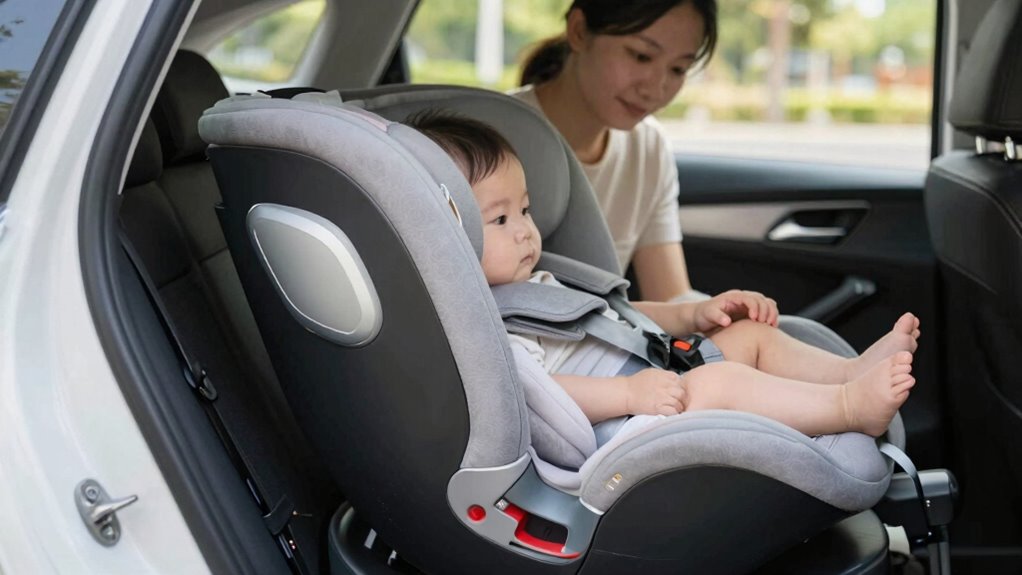
When choosing an infant car seat, it’s easy to get caught up in marketing claims about safety features and stylish designs. But what truly matters is how well the seat fits into your daily routine and meets your specific needs. Instead of being swayed by flashy ads, focus on how the seat aligns with your routine, especially if you’re constantly transferring your baby from car to stroller or different locations. Safety standards are critical here—look for seats that meet or exceed official safety certifications because they ensure the seat is tested for crash protection and overall durability. These standards are non-negotiable, and verifying them helps you avoid products that only appear safe on the surface.
Prioritize safety standards and routine compatibility over marketing hype for a car seat that truly fits your needs.
Beyond safety certifications, consider the ergonomic design of the seat. An ergonomic infant car seat should support your baby’s posture comfortably, with proper padding and support for their head, neck, and spine. It should be easy to install correctly, minimizing the risk of improper use, which can compromise safety. An ergonomic design also facilitates quick transfers, reducing the hassle during busy mornings or errands. When you’re constantly moving your baby in and out of the car, a seat that’s intuitive to handle and adjust saves you time and effort, while also ensuring your little one remains comfortable and secure. Additionally, understanding the importance of safety standards helps you make informed choices that prioritize your child’s well-being. Being aware of how ergonomic design impacts safety and comfort enables you to select a seat that truly supports your daily routine. Moreover, choosing a seat with durable construction can extend its usability and ensure ongoing safety as your child grows. It’s also beneficial to consider adjustable features that can grow with your baby and further improve convenience.
Matching your infant car seat to your daily transfers means prioritizing convenience and compatibility. If you’re frequently switching between car, stroller, or other carriers, look for seats with features like compatible bases, adjustable harnesses, and lightweight construction. These elements make your routine smoother and reduce the risk of mishandling or improper installation. It’s also beneficial to consider ease of handling and how the seat’s weight and design affect your ability to carry and transfer it effortlessly. Remember, a seat that’s optimized for daily transfers isn’t just about comfort; it’s about enabling safe, swift transitions without sacrificing safety standards.
Ultimately, don’t let marketing claims overshadow the practical realities of your daily life. Focus on how the infant car seat fits into your routine, ensuring it’s easy to handle and meets safety standards with an ergonomic design. Your goal is a seat that works seamlessly with your lifestyle, making each transfer safer and more efficient. By choosing based on real needs and verified safety features rather than just aesthetics or marketing hype, you’re making a smarter, more confident decision for your baby’s safety and your convenience.
infant car seat with safety certifications
As an affiliate, we earn on qualifying purchases.
As an affiliate, we earn on qualifying purchases.
Frequently Asked Questions
How Do I Determine the Best Car Seat for Daily Use?
To find the best car seat for daily use, prioritize safety regulations and ergonomic design. Check that the seat meets or exceeds safety standards, guaranteeing your child’s protection. Choose a seat with adjustable, comfortable features that support your infant’s growth and make daily transfers easier. Test its fit in your vehicle and consider ease of installation. This way, you guarantee safety, comfort, and convenience for everyday trips.
Are There Specific Features to Look for in a Daily Transfer Car Seat?
When choosing a daily transfer car seat, look for adjustable harnesses to guarantee a secure fit as your baby grows. A compact design makes it easier to handle and fit into various vehicles, especially if you often switch cars. You’ll want a seat that’s lightweight yet sturdy, with features like easy installation and comfortable padding. These elements help make daily trips safer and more convenient for both you and your baby.
How Often Should I Replace My Infant Car Seat?
You should replace your infant car seat every 6 to 10 years, depending on the manufacturer’s safety regulations. Check the expiration date on the seat and stay updated on safety standards. When comparing brands, look for models that meet current safety regulations and have positive reviews for durability. Regularly inspect the seat for damage or wear, and replace it immediately if it’s been involved in a crash or shows signs of deterioration.
Can a Car Seat Designed for Marketing Claims Be Unsafe?
A car seat designed solely for marketing claims can be unsafe, like a house built on sand. You shouldn’t rely solely on marketing claims to judge safety. Focus on actual safety features, proper installation, and matching the seat to your daily needs. If a seat seems too good to be true, it might be. Always prioritize verified safety standards over marketing hype to protect your child effectively.
What Are the Signs of a Poorly Suited Infant Car Seat?
You’ll notice a poorly suited infant car seat if it doesn’t fit your baby properly, is difficult to install, or feels uncomfortable. Fashion trends and celebrity endorsements might influence your choices, but prioritize safety and fit over marketing hype. If the seat isn’t secure, causes discomfort, or doesn’t meet safety standards, it’s a sign it’s not right for your baby. Always choose a seat based on your daily needs, not just trends.
Conclusion
You should prioritize how an infant car seat fits into your daily routine over fancy marketing claims. Remember, studies show that 85% of parents switch seats within the first year due to comfort and convenience. By choosing a seat based on your daily transfers, you guarantee safety and ease for both you and your baby. Don’t be swayed by flashy ads—focus on what works best for your routine and your child’s well-being.
Fall Picks
fall essentials
As an affiliate, we earn on qualifying purchases.