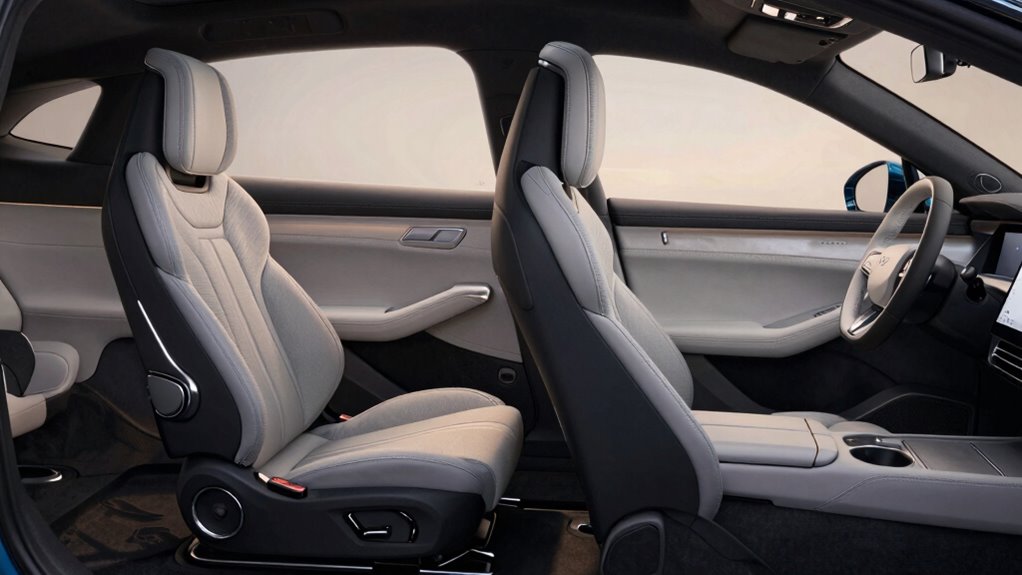

Rotating car seats make more sense in larger vehicles like SUVs or minivans, where there’s enough space to install and use them safely. If your car is smaller, it might be tricky to maneuver the seat without hitting interior parts or obstructing movement. Proper installation and space are key to safety and convenience. Keep exploring to discover how your vehicle’s size and layout can affect whether a rotating seat is a good fit for you.

Get decor and gifts delivered free — and shop member deals
- Fast, free delivery on millions of items
- Access to Prime Big Deal Days deals on October 6–7
- Prime Video, Amazon Music and more included
Key Takeaways
- Larger vehicles like SUVs and minivans offer more space for easy seat rotation and installation.
- Compact cars or sedans may have limited room, making rotating seats less practical.
- Proper vehicle interior layout determines if a rotating seat can be installed safely and effectively.
- Limited space can hinder seat movement and increase safety risks in smaller vehicles.
- Compatibility depends on vehicle size, shape, and interior configuration for optimal functionality.
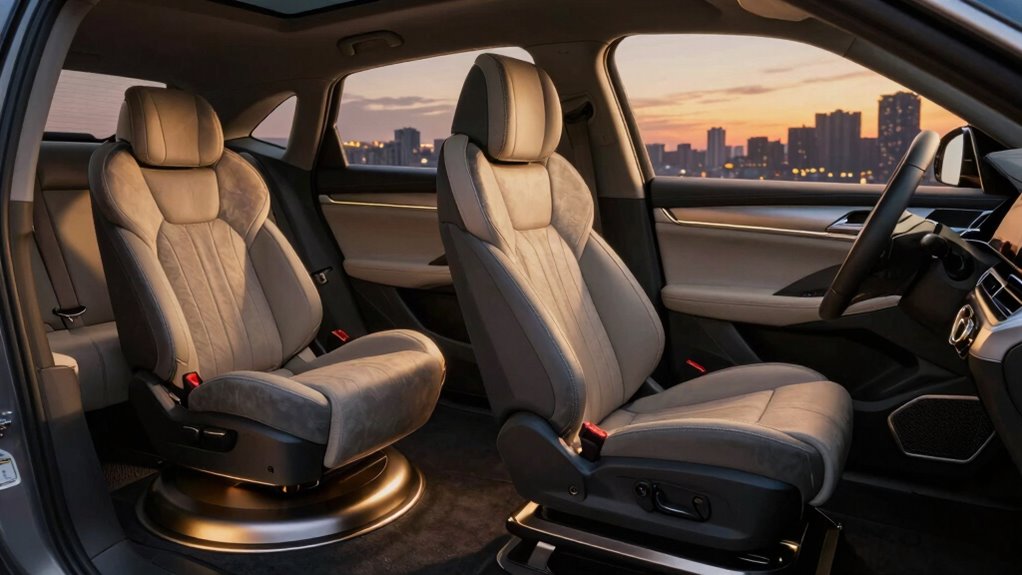
Rotating car seats are becoming increasingly popular because they simplify the process of getting in and out of your vehicle, especially for families with young children or individuals with mobility challenges. You might find that these seats make your daily routines smoother, reducing the strain of twisting or awkward movements. But before investing, it’s important to consider whether a rotating seat makes sense for your specific vehicle, as not all cars are equally suited for this feature.
One key factor is child safety. Rotating car seats are designed to allow easier access, but you need to ensure they are properly installed to provide maximum protection. Seat installation can be more straightforward with a rotating seat because you can position the seat in a way that makes buckling or adjusting the harness easier. However, improper installation can compromise safety, so it’s vital to carefully follow the manufacturer’s instructions and, if possible, have the seat inspected by a professional. Some vehicles have tighter spaces or limited room for a seat that swivels, which can make installation more challenging and potentially unsafe if not done correctly. Proper installation practices are essential to ensure safety and functionality.
The size and shape of your car play a significant role in whether a rotating car seat makes sense. Larger vehicles like SUVs or minivans often have more space to accommodate these seats, making installation and operation smoother. Their spacious interiors allow the seat to rotate freely without hitting door panels or seats, which is crucial for maintaining child safety. Conversely, in smaller cars or compact sedans, the limited space might restrict the seat’s movement or make installation more complicated, reducing the convenience and possibly compromising safety. Additionally, the vehicle interior layout can influence how well a rotating seat fits and functions.
As an affiliate, we earn on qualifying purchases.
Frequently Asked Questions
Are Rotating Seats Suitable for All Car Models?
Rotating seats aren’t suitable for all car models, especially if your vehicle lacks convertible options or adjustable headrests. You’ll find rotating seats work best in cars with ample space and flexible interior designs. If your vehicle offers convertible options, it’s easier to install and use rotating seats. Keep in mind, adjustable headrests can enhance comfort and safety, making rotating seats more practical in compatible models, but they aren’t a universal fit.
Do Rotating Seats Affect Vehicle Safety Ratings?
Rotating seats generally don’t negatively impact vehicle safety ratings if installed correctly, but they can influence vehicle stability during sudden maneuvers. You need to guarantee they meet seat safety standards, as improper installation might compromise safety. While they offer convenience, they can add complexity that affects how well your car maintains safety and stability. Always check with manufacturers and safety authorities to confirm your rotating seat meets all safety standards.
How Much Do Rotating Car Seats Typically Cost?
Rotating car seats typically cost between $300 and $1,000, depending on the brand options and features. You should do a price comparison to find the best deal for your needs. Well-known brands like SwivlSeat and Besrey offer different models at various price points. Keep in mind that higher-priced seats often come with extra features, but you can find quality options within your budget by researching thoroughly.
Are Rotating Seats Easier to Install Than Traditional Seats?
Think of installing a rotating seat like choosing a convertible option—some cars make the process smoother, while others require more effort. Generally, rotating seats are designed for easier installation compared to traditional ones, but it depends on your car’s make and model. Your seat material preferences and available space also influence how straightforward the process is. Ultimately, if your vehicle is compatible, installing a rotating seat can be a simpler, more flexible upgrade.
Do Rotating Car Seats Improve Child Passenger Comfort?
Rotating car seats can improve your child’s comfort by offering easier access and better positioning, especially for longer drives. They often provide better convertible comfort because you can adjust the seat to suit your child’s growth. However, safety concerns are vital; ensure the seat is properly installed and meets safety standards. When used correctly, rotating seats can enhance both comfort and convenience, but always prioritize safety first.
Conclusion
So, next time you’re faced with the dazzling choice of a rotating car seat, remember: it’s only genius in some cars, and a downright joke in others. If you’re cruising in a spacious SUV, it might just make your life easier—unless you enjoy the thrill of awkwardly twisting like a human pretzel. Ultimately, whether it’s worth it or not depends on how much you love a good spin. Happy car seat shopping—may the seats be ever in your favor!
Fall Picks
fall essentials
As an affiliate, we earn on qualifying purchases.