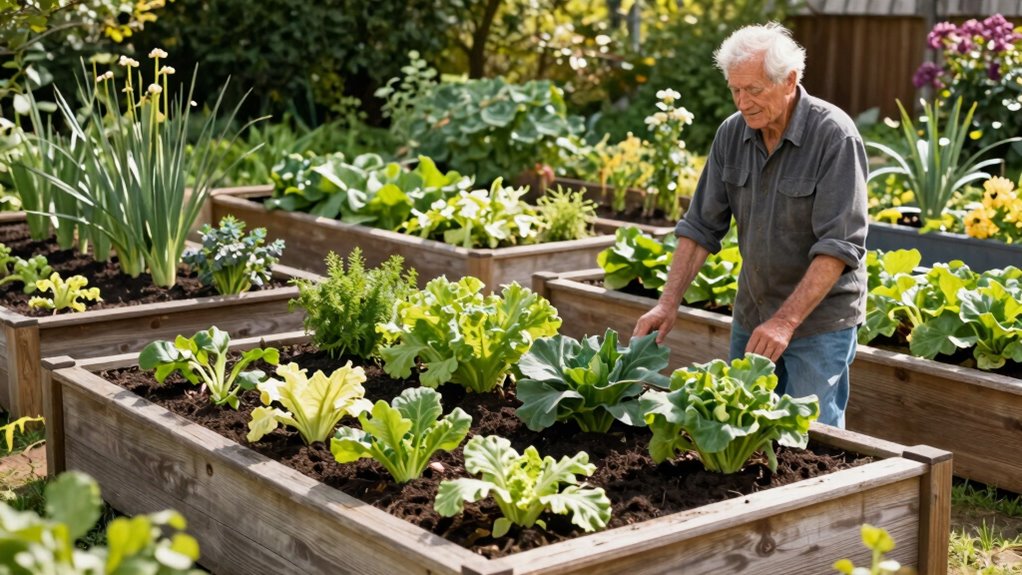

Raised garden beds make gardening much easier for you by reducing the need to bend or kneel, offering a comfortable height that lessens strain on your back, knees, and hips. They improve soil drainage and help keep pests at bay, making plant care more successful. Tasks like watering and harvesting become simpler and less tiring. Plus, they support your gardening enjoyment and promote a healthier, more vibrant garden ecosystem. Keep exploring to uncover more ways raised beds can transform your gardening experience.

Get decor and gifts delivered free — and shop member deals
- Fast, free delivery on millions of items
- Access to Prime Big Deal Days deals on October 6–7
- Prime Video, Amazon Music and more included
Key Takeaways
- Elevated design minimizes bending and kneeling, reducing physical strain and increasing comfort for older gardeners.
- Improved soil drainage prevents water-related issues, promoting healthier plants and easier maintenance.
- Easier pest control and inspection help manage pests efficiently, reducing the need for strenuous interventions.
- Simplifies routine tasks like watering and harvesting, making gardening more accessible and enjoyable.
- Supports biodiversity and natural pest repellents, fostering a healthier, more resilient garden ecosystem.
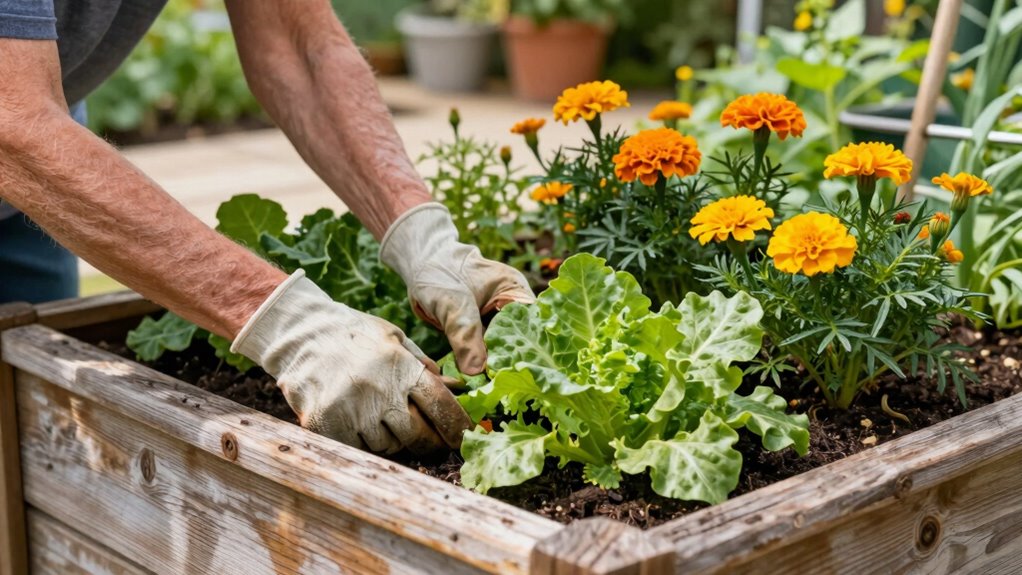
Have you noticed that bending and kneeling become more challenging as you age? If so, you’re not alone. Many older gardeners find traditional garden beds hard to manage, but raised garden beds offer a game-changing solution. These beds are elevated, which means you don’t have to bend as far or kneel on the ground. Instead, you work at a comfortable height, reducing strain on your back, knees, and hips. This simple adjustment makes gardening more accessible and enjoyable, allowing you to spend more time nurturing your plants without discomfort.
Beyond comfort, raised beds improve soil drainage, which is vital for healthy plant growth. When soil drains well, excess water doesn’t pool around roots, preventing root rot and other water-related diseases. As you get older, your ability to manage watering routines can become more critical, and raised beds help by naturally promoting better drainage. You can fill them with high-quality soil tailored to your preferred plants, ensuring optimal conditions from the start. Better soil drainage also means less standing water, which minimizes the chance of pests that thrive in damp environments, like mosquitoes and certain fungi. This creates a healthier, more resilient garden that requires less intervention over time.
Pest control becomes easier with raised garden beds, too. Because the beds are elevated, you can install physical barriers such as mesh covers or row covers more effectively. These barriers keep common pests—like slugs, snails, and beetles—away from your plants, reducing the need for chemical pesticides. Additionally, the height helps you inspect plants more readily, spotting early signs of pest activity before they become serious problems. This proactive approach saves you time and effort, making your gardening experience more rewarding. Raised beds also allow you to implement integrated pest management strategies more efficiently, like companion planting or natural repellents, since you can access all parts of the bed easily. Incorporating soil health practices can further strengthen your plants’ natural defenses against pests and diseases.
All these benefits—improved accessibility, better soil drainage, and easier pest control—combine to transform your gardening routine. You can focus on the joy of planting, harvesting, and caring for your garden without the physical strain or constant worry about pests and water issues. Raised garden beds are more than just a practical choice; they’re a way to reconnect with gardening in a way that respects your changing needs. You’ll find yourself more motivated, more relaxed, and more successful in cultivating a vibrant garden that brings you peace and satisfaction. Incorporating biodiversity into raised beds can further enhance your garden’s health by attracting beneficial insects and promoting a balanced ecosystem.
As an affiliate, we earn on qualifying purchases.
Frequently Asked Questions
Are Raised Beds Suitable for All Types of Plants?
Raised beds are suitable for many plant types, but your plant compatibility depends on the soil you prepare. You can customize soil amendments to meet specific needs, ensuring healthy growth for vegetables, herbs, or flowers. However, some deep-rooted or water-intensive plants might not thrive as well. By adjusting soil conditions and choosing the right plants, you can optimize your raised bed garden for a wide variety of species.
How Do I Prevent Pests in Raised Garden Beds?
To prevent pests in your raised garden beds, start by planting pest-resistant plants that naturally deter pests. Use natural pest control methods like introducing beneficial insects or applying organic barriers. Keep your beds clean and remove any debris or diseased plants promptly. Regularly inspect your plants for signs of pests, and consider companion planting to create an environment that’s less attractive to pests. This proactive approach helps keep your garden healthy and pest-free.
Can Raised Beds Be Used Indoors?
Yes, raised beds can be used indoors for indoor gardening. You just need to choose the right size and materials, and guarantee proper lighting and ventilation. Use soil sterilization techniques to prevent pests and diseases, keeping your indoor garden healthy. Raised beds make gardening easier indoors by reducing bending and knee strain, making them ideal for older gardeners or anyone wanting to grow plants conveniently inside.
What Are the Best Soil Options for Raised Beds?
You should opt for a rich, well-draining soil mix for your raised beds. A blend of garden soil, compost, and a touch of perlite or vermiculite offers ideal soil composition, ensuring proper drainage and aeration. Focus on nutrient management by regularly adding organic fertilizers or compost to keep your plants thriving. This approach provides the perfect foundation for healthy growth, making your gardening experience more rewarding and less stressful.
How Often Should I Water Raised Garden Beds?
You should water your raised garden beds consistently, aiming for about once a day, but adjust based on weather and soil moisture. Check the soil regularly—if it feels dry a couple of inches below the surface, it’s time to water. Maintaining proper watering frequency helps keep soil moisture balanced, promoting healthy plant growth and preventing issues like root rot or drought stress, especially as you tend to your garden.
Conclusion
With raised garden beds, you can enjoy gardening well into your later years, reducing strain and increasing comfort. Imagine effortlessly tending to your plants, even if you’re over 70—studies show that older gardeners who use raised beds experience a 40% increase in gardening activity. This simple change can transform your outdoor experience, making it easier, safer, and more enjoyable. Embrace raised beds and keep nurturing your passion for gardening for years to come.
Fall Picks
fall essentials
As an affiliate, we earn on qualifying purchases.