TL;DR
This article explains how to convert a standard, non-smart air conditioner into a smart device without risking your security deposit. It covers confirmed methods, potential pitfalls, and next steps for homeowners.
A homeowner has successfully integrated smart features into a standard, non-smart air conditioning unit without jeopardizing their security deposit, providing a practical guide for renters and owners alike.
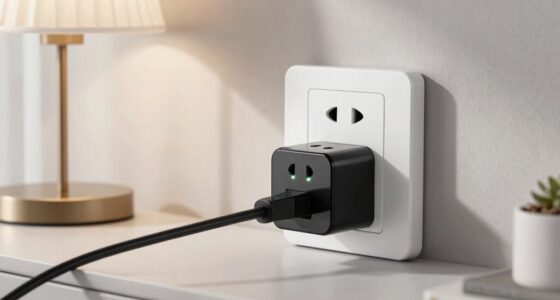
The individual used non-invasive, rental-friendly methods such as external smart plugs and wireless sensors to enable remote control and monitoring of the AC unit. These solutions do not require modifications to the appliance or the property’s electrical system, thus avoiding potential disputes with landlords or property managers.
According to the homeowner, the key was selecting devices that are easily removable and do not leave permanent marks or damage. They emphasized that no wiring alterations or structural changes were made, which is critical for maintaining compliance with rental agreements and avoiding security deposit issues.
Experts confirm that these methods are generally safe and effective if proper devices are chosen, but caution that some smart devices may interfere with existing electrical systems or violate lease terms if not carefully selected.
Practical Impact of Upgrading Rental AC Units
This approach offers a way for renters and homeowners to enjoy the convenience of smart technology without risking financial penalties or violating lease agreements. It demonstrates that simple, non-invasive solutions can significantly enhance comfort and energy management for tenants.
As smart home integrations become more popular, this method provides a blueprint for expanding smart features into appliances traditionally considered incompatible or off-limits for renters, potentially influencing future rental policies and DIY practices.
As an affiliate, we earn on qualifying purchases.
Limited Options for Smart Home Integration in Rentals
Many rental agreements prohibit modifications to appliances or electrical systems, making it challenging for tenants to upgrade standard appliances with smart features. While some landlords permit certain modifications, most prefer non-permanent solutions.
Previous attempts to retrofit appliances often involved wiring or structural changes that could jeopardize security deposits. This has led to a demand for rental-friendly, non-invasive methods to add smart functionalities to existing appliances, including air conditioners.
The homeowner’s experience aligns with ongoing discussions among renters and DIY enthusiasts seeking safe, legal ways to upgrade appliances without risking financial penalties.
“Using a smart plug and wireless sensors, I was able to control and monitor my AC remotely without any damage or alterations to the unit or the property.”
— Homeowner
Limitations and Potential Risks of Non-Invasive Smart Upgrades
It is not yet clear how universally applicable these methods are across different AC models or rental policies. Some landlords may still object to external devices, and there is limited long-term data on device durability and safety in this context.
Additionally, compatibility issues with certain smart plugs or sensors could pose challenges, and some devices may not work reliably in all environments.
Next Steps for Renters and DIY Enthusiasts
Homeowners and renters should research compatible, rental-friendly smart devices and test them in controlled settings. Sharing real-world experiences can help establish best practices and identify potential issues.
Property owners and landlords may consider updating policies to accommodate non-invasive smart upgrades, improving tenant satisfaction while protecting property integrity.
Developers of smart home devices could also focus on creating solutions explicitly designed for rental use, emphasizing removability and safety.
Key Questions
Can I install a smart thermostat on my rental AC unit?
Generally, smart thermostats require wiring modifications, which may violate lease terms. Non-invasive options like smart plugs or wireless sensors are safer choices for renters.
Will using a smart plug damage my AC unit?
No, if the smart plug is rated for the appliance’s power draw and used correctly, it should not damage the unit. Always check device specifications and safety guidelines.
Are there any legal concerns with using external devices to control my AC?
As long as the devices are non-invasive and do not alter the property or electrical system, they typically do not violate lease agreements. However, renters should review their lease policies and seek landlord approval if unsure.
How reliable are wireless sensors for monitoring AC performance?
Wireless sensors can provide accurate temperature and operational data if properly installed and maintained. Their reliability depends on device quality and environmental factors.
What should I do if my landlord objects to external smart devices?
It is advisable to discuss the benefits and demonstrate that the devices are non-invasive and removable. If objections persist, consider alternative solutions or seek written approval.
Source: hn