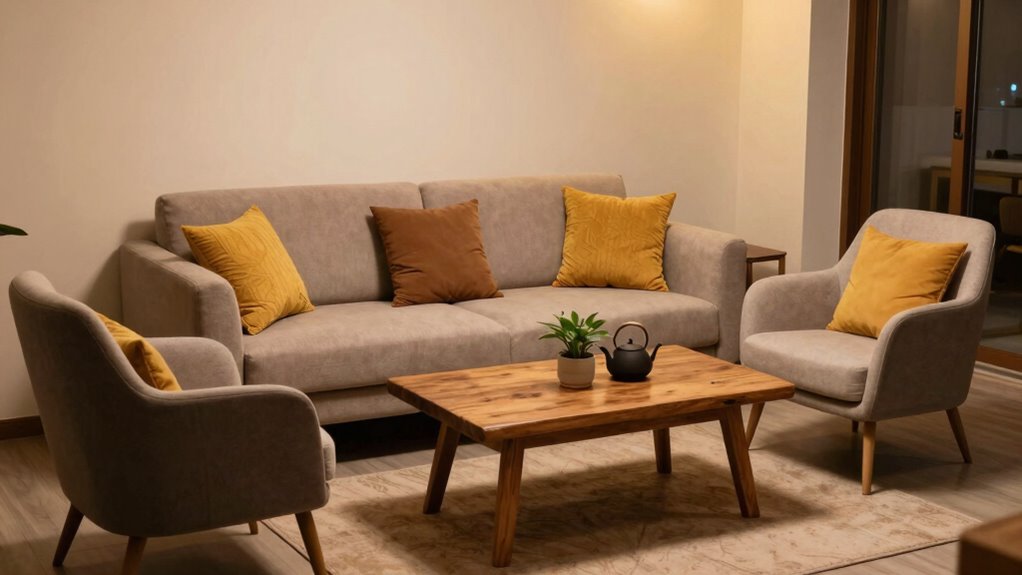

To encourage better conversation, choose a seating mix that promotes openness and equality, like a circle or semi-circle setup. Avoid rows or isolated seats, which can hinder interaction. Group people by interests or roles to spark engaging discussions and guarantee everyone feels included. Pay attention to body language and avoid arrangements that create cliques. A thoughtful setup can build trust, foster diverse perspectives, and energize your conversations—continue to explore how strategic seating makes a difference.
Key Takeaways
- Use circular or semi-circular arrangements to promote eye contact and inclusive dialogue.
- Group participants by shared interests or roles to stimulate focused, relevant conversations.
- Avoid rows or isolated seats to foster equality and encourage participation from all members.
- Balance seating to prevent dominant personalities from overpowering others and to ensure diverse perspectives.
- Arrange seats to create a trusting, open environment that encourages honest, meaningful exchanges.
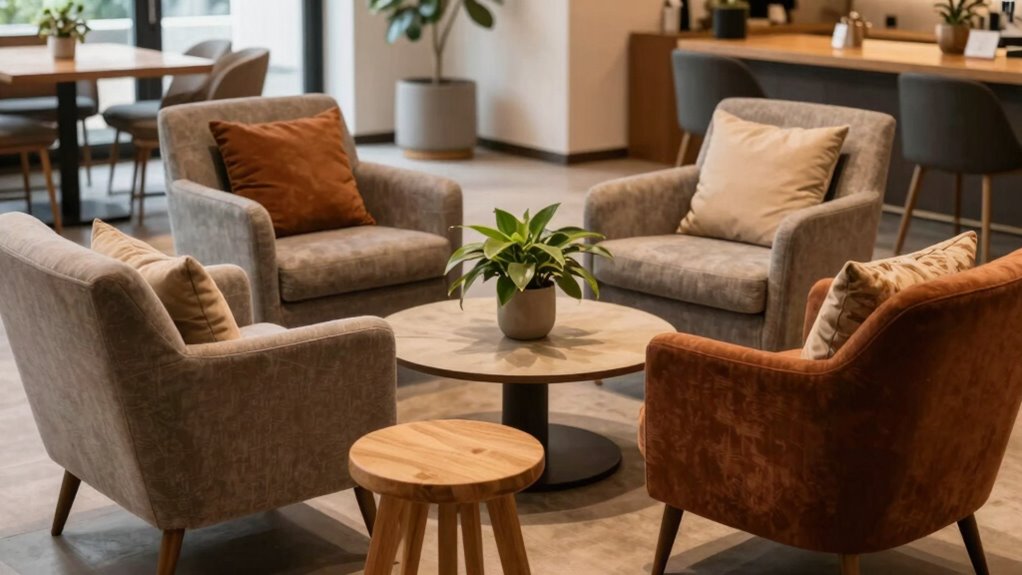
Creating the right seating mix can substantially enhance your conversations, making them more engaging and meaningful. When you pay attention to how people are seated, you influence the flow of dialogue and the overall group dynamics. Proper seating arrangements encourage open communication, reduce misunderstandings, and foster a sense of connection among participants. Whether you’re hosting a small team meeting or a casual gathering, how you position everyone impacts how comfortable and willing they are to share their thoughts.
Think about seating arrangements as a strategic tool. When everyone faces each other, it creates a more intimate and inclusive atmosphere. Circular or semi-circular setups allow for eye contact and easier interaction, breaking down barriers that might exist in a more formal, linear arrangement. By avoiding rows or isolated seats, you promote a sense of equality and encourage participation from all members. This setup also helps keep track of group dynamics, as you can better observe body language and non-verbal cues, which are crucial for understanding how people feel about the conversation. Understanding group dynamics can help you optimize seating for better interaction and engagement. Additionally, considering seating arrangements can influence the level of comfort and willingness to participate, leading to more productive discussions.
If your goal is to foster collaboration and lively discussion, consider grouping people according to shared interests or roles. Small clusters or pods can stimulate more focused exchanges and enable everyone to contribute comfortably. Be mindful of seating positions that might unintentionally create cliques or inhibit voices. For example, placing dominant personalities at the center or at the head of the table might silence quieter participants. Instead, aim for a balanced distribution that encourages diverse perspectives and equal involvement. When you’re intentional about your seating mix, you set a tone that promotes trust and openness, which are essential for meaningful conversations. Additionally, understanding group dynamics can help you optimize seating for better interaction and engagement.
Ultimately, the way you arrange seats influences the energy and effectiveness of your interactions. By carefully considering group dynamics and choosing seating arrangements that foster inclusivity, you make it easier for everyone to participate actively. This attentiveness to seating can transform a simple gathering into a dynamic exchange of ideas, strengthening relationships and encouraging honest dialogue. When your seating choices reflect a thoughtful approach, you create the perfect environment for conversations that matter.
As an affiliate, we earn on qualifying purchases.
Frequently Asked Questions
How Does Seating Arrangement Influence Conversational Dynamics?
Seating arrangement influences conversational dynamics by shaping body language and eye contact, which are key to engagement. When you sit facing each other, it encourages open body language and direct eye contact, fostering trust and connection. Conversely, angled or distant seats can create barriers, making conversations feel less intimate. You can promote better dialogue by choosing seats that enable eye contact and relaxed body language, enhancing the overall interaction.
What Is the Ideal Distance Between Conversational Partners?
You should aim for about 2 to 3 feet between conversational partners, a distance that balances comfort and intimacy. Too close, and body language becomes intrusive; too far, and eye contact diminishes. The ideal distance allows for natural body language cues and steady eye contact, fostering trust and engagement. This space encourages open dialogue without feeling crowded, making your conversations more meaningful and comfortable for both of you.
Can Seating Styles Affect Participants’ Comfort Levels?
Seating styles markedly impact participants’ comfort levels, especially when considering seating comfort and ergonomic design. You’ll find that chairs with proper lumbar support and appropriate height make conversations more relaxed. Circular or flexible seating arrangements encourage inclusivity and ease, while rigid setups might cause discomfort. When you choose ergonomic seating, your guests or colleagues stay comfortable longer, fostering better engagement and more natural interactions during discussions.
Are There Cultural Differences in Preferred Seating for Conversations?
Cultural differences profoundly influence preferred seating for conversations. In some cultures, hierarchical seating reflects respect, with elders or authority figures seated centrally or higher. Others favor informal, equal-level arrangements to promote openness. You should consider cultural norms and seating hierarchies when arranging spaces, as these factors shape comfort and communication styles. Respecting these differences helps foster better understanding and more effective conversations across diverse cultural backgrounds.
How Can Seating Be Adjusted for Larger Groups?
Ironically, squeezing everyone into a tiny circle isn’t the answer. For larger groups, you should prioritize seating ergonomics with adjustable furniture, making sure everyone can see and be seen comfortably. Use modular or stackable chairs and arrange them in a flexible layout that adapts to the group’s size. This way, you create an inviting environment that encourages conversation, no matter how many people are involved.
Conclusion
So, next time you’re trying to spark a lively chat, remember that the perfect seating mix isn’t about fancy furniture or perfect spacing. Ironically, sometimes the best conversations happen when you’re all a little too close or a bit awkwardly spaced out. It’s almost like human connection thrives on imperfection. So, embrace the quirks of your seating setup—after all, it might just be the secret ingredient to truly engaging conversations.