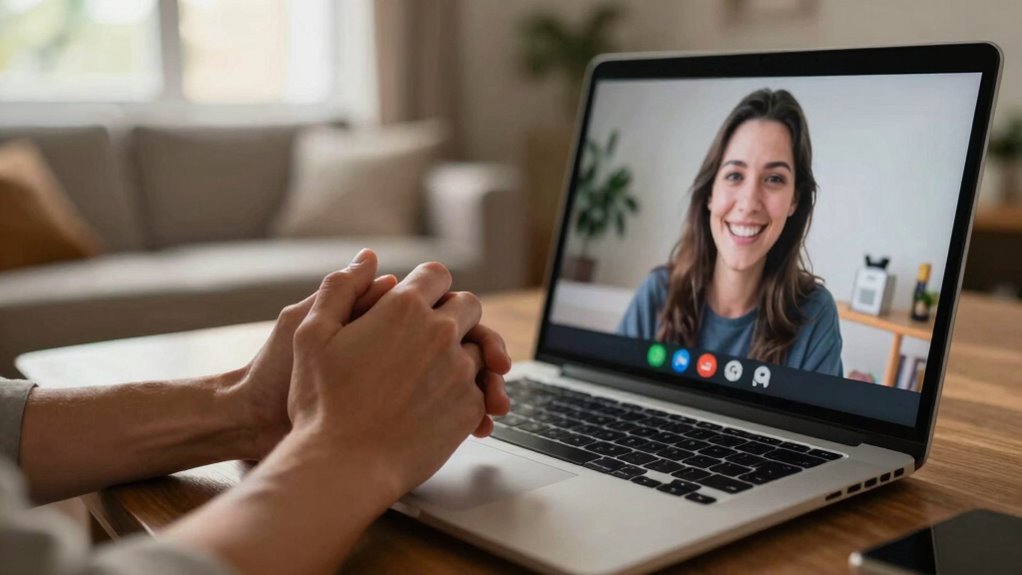

Video calling still matters because it offers genuine, real-time connections that fancy apps can’t fully replicate. When you see someone’s facial expressions, gestures, and subtle cues, your conversations become more authentic and emotionally engaging. It helps build stronger relationships, whether for work or personal life, and reduces misunderstandings. Plus, privacy and security are better addressed with trusted platforms. If you want to understand why this remains so important, keep exploring how these features impact your interactions.
Prime for Young Adults — start your free trial
Fast free delivery, streaming and member deals for eligible 18–24 year olds.
As an affiliate, we earn on qualifying purchases.
Key Takeaways
- Video calling enables real-time face-to-face interaction, fostering genuine emotional connections beyond superficial app features.
- Visual cues like expressions and gestures enhance understanding and reduce miscommunication during conversations.
- It supports relationship building and engagement, making interactions more memorable and meaningful.
- Advanced features and technological improvements keep video calls dynamic, responsive, and relevant.
- Prioritizing privacy and security builds trust, ensuring authentic connections remain safe and reliable.

In a world flooded with flashy apps and new communication tools, it’s easy to overlook the enduring value of video calling. Despite the rise of instant messaging, social media, and innovative chat apps, nothing quite replaces the personal touch of seeing someone’s face in real time. Video calling fosters a level of connection that text alone can’t match, making conversations more genuine and engaging. When you see expressions, gestures, and subtle cues, the interaction feels more authentic, helping you build stronger bonds whether for work or personal relationships.
Video calling creates authentic connections that words alone can’t match, strengthening bonds through real-time face-to-face interaction.
However, some might argue that privacy concerns make video calling less appealing. You may worry about your data security, unauthorized recordings, or invasive surveillance. These concerns are valid, especially as high-profile breaches and data leaks become more common. But most reputable platforms invest heavily in encryption and security measures to protect your conversations. By choosing trusted services and being mindful of what you share, you can enjoy the benefits of video calls without sacrificing your privacy. It’s about finding a balance—using the technology while staying alert about what’s at stake.
Beyond privacy, user engagement remains a key reason why video calling stays relevant. When you see others face-to-face, you naturally become more attentive and emotionally involved. Video calls increase focus, reduce misunderstandings, and make interactions more memorable. This heightened engagement is especially valuable in remote work environments, where maintaining team cohesion matters. Video calls make meetings feel more personal, helping teams stay connected and motivated. For families and friends, seeing each other’s smiles and reactions keeps relationships lively, even when miles apart. Additionally, cybersecurity measures play a crucial role in maintaining user trust and ensuring these interactions remain safe. Moreover, the ability to share visual information instantly during a call enhances understanding and collaboration, making the experience more interactive and effective. Recognizing that privacy concerns are common, many platforms now implement advanced security features to address these issues directly.
Furthermore, the immediacy of video calling allows for more spontaneous conversations, which can strengthen relationships and foster a sense of closeness that isn’t easily replicated through other communication channels. It also enables real-time feedback, making interactions more dynamic and responsive. As technology advances, video calling platforms continue to improve, offering features like virtual backgrounds, screen sharing, and real-time annotations that enrich the experience and make interactions more dynamic.
Additionally, emphasizing the importance of biodiversity and sustainable practices can help foster a deeper appreciation for authentic connections, whether through technology or nature. In essence, while fancy apps come and go, the core value of video calling remains steadfast. It’s more than just a tool; it’s a way to connect authentically, foster engagement, and share moments instantly. By addressing privacy concerns and leveraging its ability to create meaningful interactions, you’ll find that nothing replaces the power of seeing and hearing someone in real time. Video calling continues to prove that genuine connection transcends shiny features and flashy interfaces.
As an affiliate, we earn on qualifying purchases.
Frequently Asked Questions
How Has Video Calling Evolved Over the Last Decade?
Over the last decade, video calling has evolved considerably, allowing you to customize your experience with virtual backgrounds and AI enhancements. These features help you appear more professional or fun, no matter your environment. Improved video quality and seamless connectivity make conversations smoother. You now enjoy better security and automation, making calls more efficient and engaging. This evolution keeps you connected, confident, and expressive, regardless of where you’re calling from.
What Industries Rely Most on Video Calling for Communication?
Imagine a healthcare provider using video calling to conduct remote consultations, showcasing its significance in the medical industry. You rely on video calls for remote collaboration, enabling teams to work seamlessly across distances. Customer support also depends heavily on video calling, allowing reps to diagnose issues visually. These industries depend on real-time, face-to-face interaction to provide quality services, proving that video calling remains crucial despite newer, fancier apps.
Are There Security Concerns With Using Video Calling Platforms?
Yes, there are security concerns with using video calling platforms. You need to be aware of encryption protocols, as they protect your conversations from eavesdropping. Data privacy is also essential; some platforms may collect or share your information without clear consent. To stay secure, choose apps with strong encryption and transparent privacy policies, and always update your software to patch vulnerabilities.
How Does Video Calling Impact Mental Health and Social Connection?
Video calling acts as a lifeline, bridging emotional gaps and strengthening social bonds. When you see loved ones’ faces, it boosts your emotional well-being, making you feel less isolated. Regular face-to-face interactions, even virtually, help maintain trust and intimacy, fostering a sense of belonging. In a world drifting towards digital, video calls serve as a crucial anchor, ensuring your mental health stays resilient through meaningful social connection.
What Future Advancements Are Expected in Video Calling Technology?
Future advancements in video calling will likely include Augmented Reality, making interactions more immersive and realistic, and AI Integration, enhancing features like real-time translation, background removal, and facial recognition. You’ll experience more seamless, natural conversations regardless of distance. These technologies will improve clarity, engagement, and personalization, making virtual communication feel almost like being face-to-face. As a result, your connections will deepen, even across different languages and environments.
Conclusion
So, next time you reach for that sleek app, remember—nothing beats the genuine connection of a simple video call. It’s where real moments happen, where emotions show through your eyes, and where you truly feel close. But here’s the question: as technology evolves, will these basic calls still hold their magic? Or will the next big thing finally overshadow them? Stay tuned—because what’s coming might change everything you thought you knew about staying connected.
Fall yard work Picks
leaf blowers
As an affiliate, we earn on qualifying purchases.