
To overcome compatibility challenges in smart homes, focus on choosing devices that support common standards like Zigbee, Z-Wave, or Wi-Fi. Using a central hub can unify different brands and guarantee smooth communication. Voice control adds convenience, but secure protocols like encryption are essential to safeguard your privacy. Regular updates from your system providers help maintain interoperability and security. Keep exploring to discover more ways to create a seamless, secure smart home experience.
Key Takeaways
- Standardized communication protocols like Zigbee, Z-Wave, and Wi-Fi enable device interoperability across different manufacturers.
- Central hubs unify devices, providing seamless control and reducing compatibility issues within smart homes.
- Supporting security protocols such as encryption ensures secure integration and protects user privacy.
- Compatibility with security standards simplifies device setup and enhances overall system reliability.
- Regular updates from platform providers improve interoperability, security, and device compatibility over time.
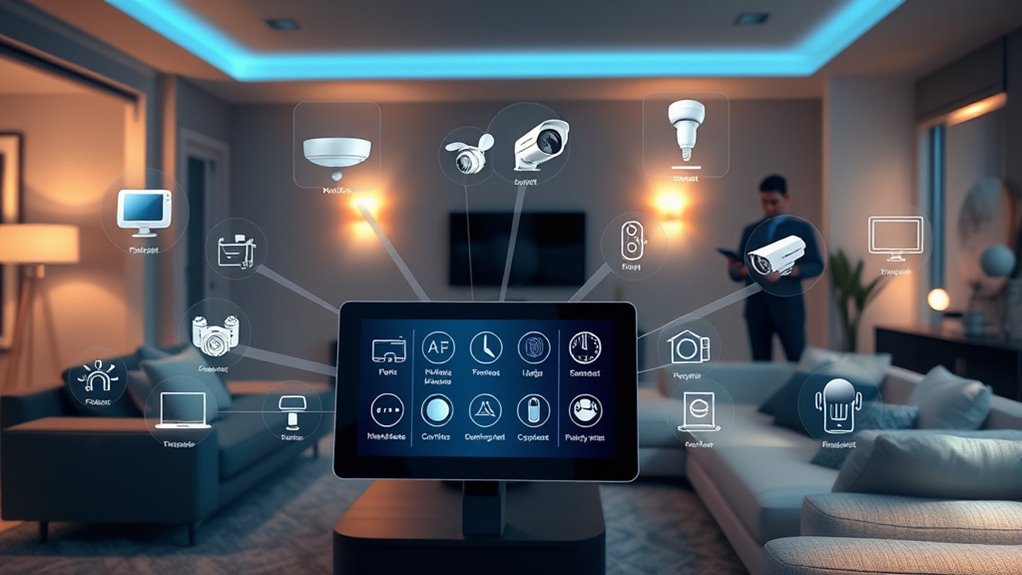
Interoperable smart homes are transforming how you interact with your living space by enabling different devices and systems to communicate seamlessly. Instead of juggling multiple apps or interfaces, you can control everything through a unified system, making your daily routines smoother and more efficient. Voice control plays a pivotal role here, allowing you to manage your smart devices effortlessly with simple commands. Whether you want to turn on the lights, adjust the thermostat, or lock the doors, voice control integrates with your home’s ecosystem, providing a hands-free experience. However, for this system to work reliably, robust security protocols are essential. These protocols protect your privacy and prevent unauthorized access, ensuring that your smart home remains a safe haven.
Compatibility challenges often arise because devices from different manufacturers may use different communication standards or protocols. This fragmentation can lead to frustration, as not all devices work well together out of the box. To overcome this, you should look for devices that support common standards like Zigbee, Z-Wave, or Wi-Fi, which facilitate interoperability. When devices share compatible security protocols, it becomes easier to integrate them into a cohesive system. For instance, some security protocols encrypt data to prevent hacking or eavesdropping, giving you peace of mind that your personal information and home are protected. Ensuring that devices support these security measures is essential, especially when voice control is involved, since voice assistants process sensitive commands and data. Additionally, understanding the importance of standardized protocols can significantly improve device compatibility and system reliability.
Another aspect to consider is the importance of choosing a central hub or platform that can unify your smart devices. By doing so, you create a single point of control that can coordinate actions across different brands and standards. This approach reduces compatibility issues and simplifies management. Furthermore, many platforms now offer updates that improve device interoperability and security protocols, keeping your smart home current with the latest features and safety measures. When setting up your system, always verify that each device supports the security protocols required for your chosen platform to prevent vulnerabilities.
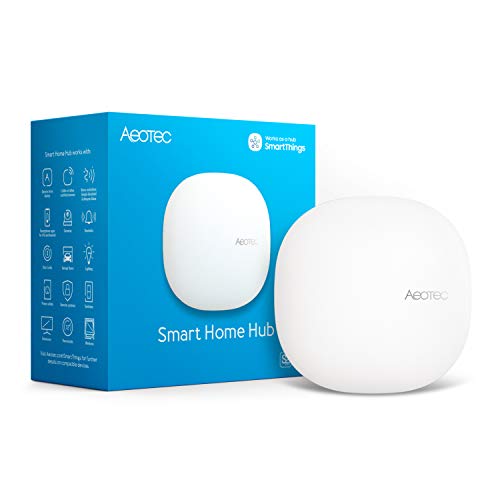
Aeotec Smart Home Hub, Works as a SmartThings Hub, Z-Wave, Zigbee, Matter Gateway, Compatible with Alexa, Google Assistant, WiFi
- Device Compatibility: Supports Z-Wave, Zigbee, Matter, WiFi
- Smart Home Control: Connects and manages compatible devices
- Automation Features: Create custom routines and automations
As an affiliate, we earn on qualifying purchases.
As an affiliate, we earn on qualifying purchases.
Frequently Asked Questions
How Secure Are Interoperable Smart Home Devices Against Hacking?
Interoperable smart home devices vary in security, but generally, they’re fairly secure if you take proper precautions. Device encryption helps protect your data, making hacking vulnerabilities harder for hackers to exploit. However, no device is completely immune. You should keep firmware updated, use strong passwords, and enable two-factor authentication to reduce risks. Staying vigilant and proactive keeps your smart home safer from potential hacking threats.
What Are the Costs Involved in Making a Home Fully Interoperable?
They say “you get what you pay for,” and making your home fully interoperable involves costs. The expense breakdown includes new hubs or bridges, compatible devices, and potential professional installation. Cost estimation varies, but you should budget for initial setup, ongoing updates, and possible upgrades. While it might seem costly, investing now guarantees seamless integration, saving you time and frustration down the line.
Can Existing Smart Devices Be Integrated Into a New Interoperable System?
Yes, you can integrate existing smart devices into a new interoperable system, but legacy devices often pose compatibility challenges. You might need hubs, bridges, or adapters to connect older devices with newer platforms. While some legacy devices work seamlessly, others require additional setup or firmware updates. It’s essential to evaluate each device’s compatibility to guarantee smooth integration and avoid frustration down the line.
How Do Interoperability Standards Evolve With Technology Updates?
Interoperability standards evolve like a river, constantly flowing and adapting to new technology. As updates roll out, they enhance device compatibility and guarantee seamless integration. You should stay informed about standardization updates from industry bodies, which guide manufacturers to adapt their products accordingly. This ongoing evolution helps your smart home remain compatible with cutting-edge devices, making your system smarter and more flexible over time without hitting compatibility roadblocks.
Are There Legal Regulations Governing Smart Home Interoperability?
Yes, there are legal regulations governing smart home interoperability. You need to guarantee legal compliance by following data privacy laws that protect your personal information. Regulations often require manufacturers to meet specific standards for security and data handling, preventing unauthorized access. Staying informed about these laws helps you maintain a secure smart home environment, ensuring your devices work seamlessly while respecting your privacy and adhering to legal obligations.
Conclusion
To wrap things up, achieving truly interoperable smart homes means embracing open standards and seamless communication. Don’t let compatibility issues turn your home into a digital Tower of Babel—think of it as bringing your smart devices into the 21st century with a little help from the internet’s version of the Rosetta Stone. With a proactive approach, you can turn your house into a harmonious, futuristic haven where every device speaks the same language, no flux capacitor required.