
Wi-Fi emits low-level electromagnetic radiation that, according to current research and safety guidelines, poses minimal health risks for most people. While some worry about long-term effects or exposure for vulnerable groups like children and pregnant women, scientific evidence shows Wi-Fi operates well below harmful levels. Most concerns are based on myths or misconceptions. To better understand how to stay safe and make informed choices, explore further details on this topic.
Key Takeaways
- Current scientific evidence shows Wi-Fi emits low-level radiation well below safety limits, with no confirmed health risks.
- Vulnerable groups like children and pregnant women may be more sensitive, so cautious use is advisable.
- Regulatory standards aim to limit exposure, but enforcement varies, potentially affecting safety assurances.
- Practical measures such as positioning routers away from occupied areas and limiting usage can reduce potential risks.
- Ongoing research continues to monitor long-term health effects, but no conclusive evidence links Wi-Fi to serious health issues.
What Are Wi-Fi Signals and How Do They Work?

Wi-Fi signals are a type of radio wave used to wirelessly transmit data between devices and internet routers. This process relies on wireless transmission, where electromagnetic waves carry information through the air. When you connect your smartphone, laptop, or smart device to Wi-Fi, your device sends and receives data by converting digital signals into electromagnetic waves. These waves travel through the air, allowing seamless communication without cables. Wi-Fi operates within specific frequency bands, typically 2.4 GHz or 5 GHz, to minimize interference and optimize speed. Understanding how Wi-Fi signals work helps clarify that they are part of the broader electromagnetic wave spectrum. This wireless transmission technology makes modern connectivity fast, convenient, and essential for everyday digital life. Additionally, the frequency bands used by Wi-Fi are carefully selected to reduce interference from other electronic devices, ensuring more reliable connections.
Common Concerns About Wireless Radiation

Many people worry that the electromagnetic radiation from wireless devices might harm their health, especially with frequent exposure. Concerns about Wi-Fi health myths and electromagnetic sensitivity often lead to unnecessary fears. While some believe Wi-Fi causes headaches or fatigue, scientific evidence doesn’t support these claims. Electromagnetic sensitivity, a condition some attribute to Wi-Fi, remains controversial and isn’t recognized as a medical diagnosis. Understanding the difference between myth and fact can help ease worries. Here’s a quick comparison:
| Concern | Reality |
|---|---|
| Wi-Fi causes cancer | No proven link between Wi-Fi and cancer |
| Electromagnetic sensitivity | Not scientifically confirmed as a health condition |
| Frequent exposure risks | Current research shows minimal health effects |
| Wi-Fi health myths | Many fears are based on misconceptions |
Stay informed and avoid unnecessary anxiety over wireless radiation.
Research indicates that the levels of electromagnetic radiation emitted by Wi-Fi devices are well below safety limits, making health risks unlikely.
Scientific Evidence on Wi-Fi and Health Risks

Scientific studies have extensively examined the potential health effects of wireless radiation, including that emitted by Wi-Fi devices. Radiation studies have produced mixed results, but most research indicates that typical Wi-Fi exposure falls within safety limits established by health authorities. While some early concerns suggested possible links to wireless health issues, current evidence doesn’t confirm any direct harm from everyday Wi-Fi use. Large-scale reviews and scientific consensus generally find no consistent evidence of adverse effects, such as cancer or neurological problems. However, ongoing research continues to monitor long-term exposure risks. You can be reassured that regulatory agencies have evaluated the radiation studies and set guidelines to protect public health, making Wi-Fi usage safe for most people under normal conditions. Additionally, understanding electromagnetic fields and their interaction with human health can help clarify ongoing safety discussions.
Comparing Wi-Fi to Other Sources of Electromagnetic Fields
When comparing Wi-Fi to other sources of electromagnetic fields, you’ll notice differences in power levels and exposure. Cell phones typically emit stronger signals than Wi-Fi routers, which means your potential risk varies. Understanding these differences helps you evaluate your overall exposure more accurately.
Wi-Fi vs. Cell Phones
While Wi-Fi and cell phones both emit electromagnetic fields, their exposure levels and potential health risks differ markedly. Wi-Fi signals are typically low power and used intermittently, often with strong Wi-Fi security measures that limit unauthorized access. Cell phones, on the other hand, emit higher levels of radiation during calls and data use, especially when held close to your head. Cell tower emissions are even more distant but involve continuous, low-level exposure over time. The proximity and duration of exposure influence risk, with cell phones generally posing a higher concern due to their close contact. Understanding these differences helps assess potential health impacts and informs safer usage habits.
Power Levels Comparison
Compared to other sources of electromagnetic fields, Wi-Fi operates at relatively low power levels, making it less intense than many common devices. Its power output is usually measured in milliwatts, which is considerably lower than cell phones or microwave ovens. Wi-Fi signal strength remains localized, often limited to a few dozen meters, reducing exposure. In contrast, devices like cell towers emit higher power levels over larger areas, increasing potential exposure. The lower power output of Wi-Fi means its electromagnetic fields are weaker, reducing potential health risks. While your Wi-Fi router’s signal strength is designed to be sufficient for your home, it’s still minimal compared to more powerful electromagnetic sources. Additionally, the power levels of Wi-Fi are carefully regulated to ensure safety. Overall, Wi-Fi’s low power levels suggest a lower risk profile than many higher-powered devices.
Potential Biological Effects of Wi-Fi Exposure

Although Wi-Fi signals are generally considered safe, research suggests they may have biological effects on living organisms. These effects are linked to how electromagnetic fields interact with biological mechanisms and cause cellular effects. Some studies indicate that Wi-Fi exposure could influence cell functions, potentially leading to oxidative stress or altered gene expression. While these effects are not fully understood, they highlight the importance of investigating how low-level radiofrequency radiation might impact health. Additionally, insights from Kia Tuning reveal that similar electromagnetic exposures are used to modify vehicle performance, underscoring how electromagnetic fields can influence biological and mechanical systems.
Vulnerable Populations and Increased Risks

Certain populations may be more vulnerable to the potential health risks of Wi-Fi exposure, especially those with developing or compromised biological systems. Children, pregnant women, and individuals with existing health conditions face increased risks because their bodies are more sensitive to electromagnetic fields. For children, their smaller size and developing brains make them more susceptible to potential effects. Pregnant women need to give thought to the possible impacts on fetal development. People with weakened immune systems or neurological conditions might experience heightened symptoms or adverse reactions. Because of these vulnerabilities, it’s essential to recognize that Wi-Fi exposure could pose higher risks for these groups. Being aware of this helps you make informed decisions to protect those more at risk from the possible health effects of Wi-Fi radiation. Additionally, understanding the biological mechanisms involved can help clarify why these groups are more susceptible to electromagnetic effects.
Practical Tips for Reducing Wi-Fi Exposure
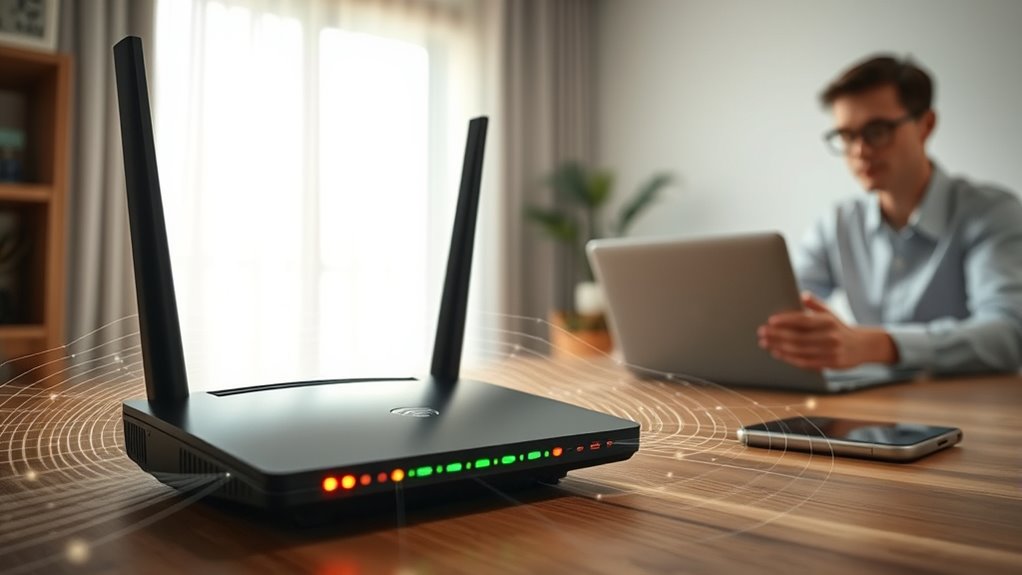
To minimize your exposure to Wi-Fi radiation, start by placing your wireless router in a central, out-of-the-way location, ideally away from bedrooms and main living areas. This reduces unnecessary exposure while still providing good signal coverage. Consider turning off your Wi-Fi at night or when not in use. Use wired connections when possible, especially for devices like smart home hubs, to cut down on wireless signals. Limit the use of wireless charging stations, which emit additional EMFs. Keep devices like tablets and smartphones away from your body whenever possible. Regularly update your router’s firmware to ensure it’s operating efficiently and at lower emission levels. Additionally, being aware of electromagnetic fields (EMFs) and their sources can help you make more informed decisions about your device placement and usage habits. By adopting these practices, you can help reduce your overall Wi-Fi exposure without sacrificing convenience or connectivity.
Regulatory Standards and Safety Guidelines

You should know that regulatory agencies set exposure limits to protect your health from Wi-Fi radiation. These safety guidelines are enforced to guarantee devices stay within safe levels, but questions about their adequacy still exist. Understanding how these standards work helps you make informed decisions about your wireless environment. Cookies play a role in enhancing site functionality while respecting user privacy.
Regulatory Exposure Limits
Have regulatory exposure limits effectively protect public health from Wi-Fi radiation? These limits set the maximum levels of electromagnetic fields allowed in your environment, aiming to prevent harmful effects. However, their effectiveness depends on proper safety guideline enforcement and ongoing review. You should know that:
- Limits are often based on thermal effects, not long-term or subtle health impacts
- Regulatory agencies may have different standards, leading to inconsistent safety measures
- Updated research isn’t always quickly reflected in existing limits
- Environmental considerations play a crucial role in evaluating the overall safety of Wi-Fi exposure
While these regulations aim to safeguard you, gaps remain, especially regarding low-level, chronic exposure. It’s important to stay informed about current standards and advocate for stricter safety guideline enforcement to better protect your health.
Safety Guideline Enforcement
While regulatory agencies establish safety standards for Wi-Fi radiation, enforcement of these guidelines varies widely, impacting their effectiveness. You need to know that electromagnetic compliance guarantees devices meet safety threshold enforcement, but inconsistent oversight can lead to gaps in protection. In some regions, stricter enforcement helps keep radiation levels within safe limits, giving you peace of mind. However, lax enforcement or outdated standards can allow devices to operate near or above safety thresholds, increasing potential health risks. It’s essential to stay informed about whether local authorities actively monitor compliance. When safety guideline enforcement is robust, you’re better protected from excessive exposure. Conversely, weak enforcement can make it harder to trust that Wi-Fi devices are safe, emphasizing the importance of advocating for stricter regulatory oversight. Additionally, understanding the subtopic of safety standards and enforcement can help you better evaluate the risks associated with Wi-Fi exposure.
Making an Informed Decision About Wi-Fi Use
Making an informed decision about Wi-Fi use requires understanding both its benefits and potential health risks. Wireless innovation has improved data transmission speeds and connectivity, making our lives more convenient. However, it’s important to contemplate possible health concerns related to prolonged exposure to radiofrequency radiation. To make smarter choices, stay informed about current research and guidelines.
Remember:
- Limit prolonged exposure, especially for children
- Use wired connections when possible to reduce wireless radiation
- Keep routers away from frequently occupied areas
Frequently Asked Questions
Can Wi-Fi Exposure Cause Long-Term Health Problems?
You might wonder if Wi-Fi exposure causes long-term health problems. Current research shows no conclusive evidence linking Wi-Fi to long-term effects, but some individuals report electromagnetic sensitivity, experiencing symptoms like headaches or fatigue. While most experts believe Wi-Fi is safe, it’s wise to limit exposure if you’re concerned. Monitoring ongoing studies will help clarify potential risks, especially regarding long-term effects and electromagnetic sensitivity, so stay informed.
Are There Specific Symptoms Linked to Wi-Fi Radiation Exposure?
You might notice symptoms linked to Wi-Fi radiation exposure, especially if you’re electromagnetically sensitive. Common signs include headaches, which can be headache triggers for some people. You may also experience fatigue, dizziness, or difficulty concentrating. While evidence varies, paying attention to how you feel around Wi-Fi devices can help you identify if electromagnetic sensitivity affects you, prompting you to take steps to reduce your exposure if needed.
How Does Wi-Fi Compare to 5G in Health Risks?
You might wonder how Wi-Fi compares to 5G in health risks. Both emit radiofrequency radiation, but 5G uses higher frequencies and more advanced technology, which could mean increased exposure. To stay safe, focus on wireless security and device compatibility, ensuring your devices are protected and compliant with safety standards. While current research shows minimal risk, staying informed and cautious helps you minimize any potential health effects.
Are Children More Vulnerable to Wi-Fi Radiation?
Think of children as delicate saplings, more vulnerable to the storm of Wi-Fi radiation. Their developing brains and bodies are more sensitive, making child safety a top concern. You should consider radiation shielding around their devices and Wi-Fi sources to reduce exposure. Because their tiny frames absorb more radiation relative to their size, taking precautions now helps safeguard their health and ensures they grow strong and resilient.
What Are the Best Ways to Minimize Wi-Fi Exposure at Home?
To minimize Wi-Fi exposure at home, you should switch your devices to airplane mode when not in use, reducing radiation emissions. Use wired alternatives like Ethernet cables for internet access instead of Wi-Fi, which cuts down wireless signals. Keep your router away from shared spaces, and turn it off overnight. These simple steps help limit your exposure while maintaining a connected, safe environment.
Conclusion
While concerns about Wi-Fi’s health effects are understandable, current research shows no conclusive evidence of harm at typical exposure levels. Keep in mind, the average person is exposed to hundreds of electromagnetic signals daily, from cell phones to Wi-Fi, without adverse effects. Staying informed and following safety tips can help you feel more confident. Remember, over 90% of scientific studies so far haven’t found a direct link between Wi-Fi and health problems—so you can use your devices with peace of mind.