If you’re searching for the best balance pads for seniors, you’re likely looking for options that help improve stability, reduce fall risk, and support safe exercise routines. The top overall pick, the Foam Balance Pad for Physical Therapy, offers excellent resilience and comfort, making it suitable for most seniors. The AIREX Balance Pad stands out for its stability training benefits, while the Professional Balance Pad provides a more durable option for frequent use. These products vary in thickness, material, and price, presenting tradeoffs between firmness, comfort, and longevity. Keep reading for a detailed comparison to help you find the right fit for your needs.
Complete the kit


Key Takeaways
- Thicker pads generally offer more cushioning but can be less stable for precise balance work.
- High-density materials tend to last longer and provide better support, especially for frequent use.
- Non-slip surfaces are essential for safety, but some pads still need additional grip accessories in certain environments.
- Budget options are suitable for light use or beginners, while premium pads excel in durability and performance.
- Size and portability vary; wider and larger pads provide more stability but may be less convenient to store.

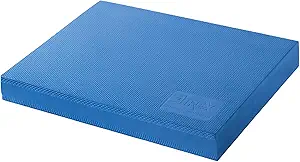


| balance pads for senior | Material | Weight |
|---|---|---|
| Foam Balance Pad for Physical | TPE | 10.5 ounces |
| AIREX Balance Pad | Closed cell foam | Lightweight |
| Professional Balance Pad for P | Eco-friendly TPE | — |
| High-Density Balance Pad | High-density TPE foam | 16 oz |
| StrongTek Foam Balance Pad | High-density TPE foam | — |
| ProsourceFit Exercise Balance | TPE | 12 oz |
| HAPBEAR Exercise Balance Pad | Dense TPE foam | Lightweight |
| StrongTek Foam Balance Pad | High-density TPE foam | — |
More Details on Our Top Picks
Foam Balance Pad for Physical Therapy, 2-Inch Thick High Resilience Balance Mat
This balance pad stands out for its lightweight design and multiple uses, including as a seat or knee cushion, making it highly adaptable for seniors who want a multi-purpose tool. Compared with the StrongTek Foam Balance Pad, its 2-inch thickness offers more cushioning but might be too soft for those needing more stability. Its anti-slip surface enhances safety, especially during standing exercises or yoga. However, its durability over long-term use isn’t specified, and the limited color options may reduce appeal for some. This pick makes the most sense for seniors seeking portability and multi-functionality in their balance training.
Pros:- High resilience and slip-resistant surface for safety
- Versatile use as a balance, seat, or knee pad
- Lightweight and portable for easy transport
Cons:- Limited color options
- May be too soft for certain balance needs
- Long-term durability not specified
Best for: Seniors who want a lightweight, versatile pad for both balance exercises and everyday use
Not ideal for: Those needing a highly durable or firmer support surface for intensive balance training
- Size:15.75”L x 13”W x 2”H
- Material:TPE
- Weight:10.5 ounces
- Thickness:2 inches
- Suitable for:Most sports, yoga, Pilates, strength training
Our verdict“This balance pad suits seniors seeking a lightweight, multi-purpose option with good slip resistance.”
AIREX Balance Pad – Stability Trainer for Balance, Stretching, Physical Therapy, Exercise, Mobility, Rehabilitation, and Core Training
The AIREX Balance Pad excels with its non-slip, tear-resistant surface, providing excellent grip during various exercises, including rehab routines. Compared to the Professional Balance Pad, it lacks detailed size options but offers a durable, shape-maintaining surface ideal for frequent use. Its lightweight design makes it easy to incorporate into daily routines, but the lack of specific dimensions and color options might limit selection. This pick makes the most sense for seniors who prioritize a reliable grip and plan to use the pad for both rehabilitation and general fitness.
Pros:- Non-slip surface provides excellent grip
- Durable construction maintains shape over time
- Versatile for rehab, stretching, and fitness
Cons:- No specific size or dimension details
- Requires rinsing and air drying after use
- Limited information on color options
Best for: Seniors needing a durable, grip-focused pad for physical therapy and mobility exercises
Not ideal for: Users seeking detailed size options or vibrant color choices for aesthetic preferences
- Material:Closed cell foam
- Surface:Non-slip, tear-resistant
- Weight:Lightweight
Our verdict“Ideal for seniors who want a stable, durable pad with excellent traction for therapy and fitness routines.”
Professional Balance Pad for Physical Therapy and Stability Training
This professional-grade foam pad offers two size options, making it adaptable for different user preferences, and emphasizes balance, core strength, and stability. Compared with the High-Density Balance Pad, it provides a slightly larger surface area and two color choices, which can be advantageous for varied exercises and personal preferences. Its firm yet supportive material can challenge seniors seeking more stability, but may feel too rigid for those preferring softer support. This choice makes the most sense for seniors who want a balance of versatility and size flexibility in their support tools.
Pros:- Enhances balance, core, and stability training
- Two size options for tailored use
- Non-slip, waterproof, and easy to clean
Cons:- Limited size options may not suit all users
- May be too firm for comfort-focused users
Best for: Seniors who need a customizable size option and focus on core stability training
Not ideal for: Those who prefer softer, more cushioned support or are sensitive to firmness
- Size 1:15.7 x 13 x 2 inches
- Size 2:18.8 x 15 x 2 inches
- Material:Eco-friendly TPE
- Color Options:Two colors available
Our verdict“This pad is best for seniors who want size flexibility and a focus on core and stability exercises.”
High-Density Balance Pad – Durable TPE Foam Balance Cushion for Physical Therapy and Workouts
The High-Density Balance Pad emphasizes stability and eco-conscious design, with a sweat-proof, non-slip surface that promotes safe workouts. Compared with the Foam Balance Pad, it features a higher density foam, offering firmer support that benefits seniors needing more joint-friendly cushioning. Its lightweight and portable design support on-the-go routines, but the unstable surface may require some adjustment for beginners. This pick makes the most sense for seniors who value eco-friendly materials and a stable platform for balance and core exercises.
Pros:- Enhances balance, core strength, and coordination
- Eco-friendly, non-toxic, and sweat-proof material
- Lightweight and portable for easy transport
Cons:- Unstable surface may be challenging for beginners
- Limited size information provided
Best for: Eco-conscious seniors seeking a durable, supportive pad for therapy and workouts
Not ideal for: Those looking for a softer or more cushioned surface for comfort
- Material:High-density TPE foam
- Weight:16 oz
- Features:Non-slip, sweat-proof, eco-friendly
Our verdict“This balance pad suits eco-conscious seniors needing a firm, stable surface for balance and core training.”
StrongTek Foam Balance Pad, Extra-Wide 19 x 15.8 x 2.4 in, Non-Slip TPE
The StrongTek Foam Balance Pad offers an extra-wide surface, making it ideal for seniors who prefer ample room during exercises like yoga or Pilates. Its high-density, water-resistant TPE foam provides firm support that can assist with joint safety and stability. Compared with smaller pads like the Foam Balance Pad, its larger dimensions accommodate a wider range of movement, but may be cumbersome in tight spaces. Its textured non-slip surface ensures safety, though its size and firmness might not suit those seeking a softer or more portable option. This makes it best for seniors with enough space who want a generously sized, stable platform for various routines.
Pros:- Extra-wide surface provides ample space for exercises
- Supportive, firm, and joint-friendly foam
- Non-slip textured surface enhances safety
Cons:- May be too large for small exercise areas
- Firmness might be uncomfortable for softer support needs
Best for: Seniors with larger exercise areas who need extra space for balance and fitness routines
Not ideal for: Those with limited space or seeking a softer, more cushioned pad
- Dimensions:19 x 15.8 x 2.4 inches
- Material:High-density TPE foam
- Surface:Textured non-slip
- Water Resistance:Yes
Our verdict“This pad is best for seniors with sufficient space seeking a large, stable surface for balance and fitness exercises.”
ProsourceFit Exercise Balance Pad, Non-Slip Cushioned Foam Mat & Knee Pad for Fitness and Stability Training, Yoga, Physical Therapy
The ProsourceFit Balance Pad stands out for its large, stable surface and multi-purpose design, making it ideal for seniors who want a versatile tool for balance, core exercises, or physical therapy. Compared to the StrongTek Foam Balance Pad, it offers a broader surface area, which can be more comfortable for those with limited mobility. Its non-slip, sweat-proof surface ensures safety, though it may lack the advanced textured grip found on more specialized models. The limited color options might be a drawback for those wanting more personalization. This pad is best suited for seniors seeking a straightforward, all-around balance tool that supports various activities without the need for advanced difficulty levels.
Pros:- Large size supports multiple exercises and stability
- Non-slip, sweat-proof surface for safety
- Multi-purpose use as cushion, knee pad, or foot pad
- Lightweight and easy to clean
Cons:- Less effective for high-level balance training without additional equipment
- Limited color options may not appeal to all users
Best for: Seniors who want a large, multi-use balance pad that can serve as a workout, therapy, or yoga prop.
Not ideal for: Active seniors engaging in advanced balance training, as the simple surface may not provide enough challenge.
- Brand:ProsourceFit
- Material:TPE
- Size:15.5″L x 12.5″W x 2.5″H
- Weight:12 oz
- Color:Blue
- Included Components:Balance Pad
- Model Number:ps-1037-bp-r-blue
- Warranty:Limited Lifetime
Our verdict“This pick makes the most sense for seniors seeking a versatile, easy-to-use balance pad for general stability and physical therapy.”
HAPBEAR Exercise Balance Pad – 15″x12″ Non-Slip Textured Stability Training Mat – 2.25″ Thick Cushioned Foam for Physical Therapy, Core Training & Home Workouts
The HAPBEAR Exercise Balance Pad excels by offering a dual-sided, textured surface and a substantial 2.25-inch thickness, making it especially suitable for seniors who need adjustable difficulty and extra joint support. Unlike the ProsourceFit Pad, which is more straightforward, this model provides two levels of challenge thanks to its dual surfaces, making it adaptable as strength and confidence improve. Its cushioned thickness helps reduce joint stress, ideal for seniors with joint sensitivities or recovering from injury. However, its thickness may make certain precise balance exercises less effective for those needing a flatter surface. This balance pad is best suited for seniors who want a versatile, customizable option that emphasizes joint comfort and safety during training.
Pros:- Dual-sided design offers two difficulty levels
- Textured surface provides secure footing
- Thick cushioning reduces joint stress
- Lightweight and portable
Cons:- Thick profile may interfere with certain balance exercises
- Durability depends on proper cleaning and usage
Best for: Seniors seeking a highly adaptable balance pad with dual difficulty levels and enhanced joint protection.
Not ideal for: Those who prefer a lightweight, minimalistic pad for quick, simple exercises, as this model is relatively thicker and more substantial.
- Dimensions:15″x12″
- Thickness:2.25″
- Material:Dense TPE foam
- Surface:Dual-sided, textured diamond-grid
- Color:Dual-color surfaces
- Weight:Lightweight
Our verdict“This pick makes the most sense for seniors who desire a customizable balance pad that prioritizes joint comfort and exercise variety.”
StrongTek Foam Balance Pad, High-Density TPE, 15.8 x 13 x 2 in, Non-Slip
The StrongTek Foam Balance Pad offers high-density TPE construction, providing firm support that appeals to seniors who prefer a more stable, less cushioned surface. Its textured, non-slip surface ensures secure footing during seated or standing exercises, making it a reliable choice for physical therapy and daily activities. Compared to the HAPBEAR Pad, which is thicker and more cushioned, this model’s firmer feel can benefit those who need more stability and less softness. Its water-resistant feature adds convenience for regular cleaning. The tradeoff is that some seniors seeking softer cushioning for joint comfort might find it a bit too firm. This balance pad suits seniors who want a supportive, durable surface for consistent use across different routines.
Pros:- High-density support enhances stability
- Non-slip textured surface for safety
- Water-resistant and easy to clean
- Suitable for seated, standing, and therapeutic activities
Cons:- May feel too firm for users seeking softer cushioning
- Limited color options (if applicable)
Best for: Seniors who need a firm, stable surface that can handle daily use and provide dependable support during seated or standing exercises.
Not ideal for: Those with joint sensitivities seeking extra cushioning, as this pad’s firmness may not provide enough shock absorption.
- Material:High-density TPE foam
- Dimensions:15.8 x 13 x 2 inches
- Non-slip:Yes
- Water-Resistant:Yes
Our verdict“This choice makes the most sense for seniors who value firm, reliable support for daily balance and stability exercises.”
How We Picked
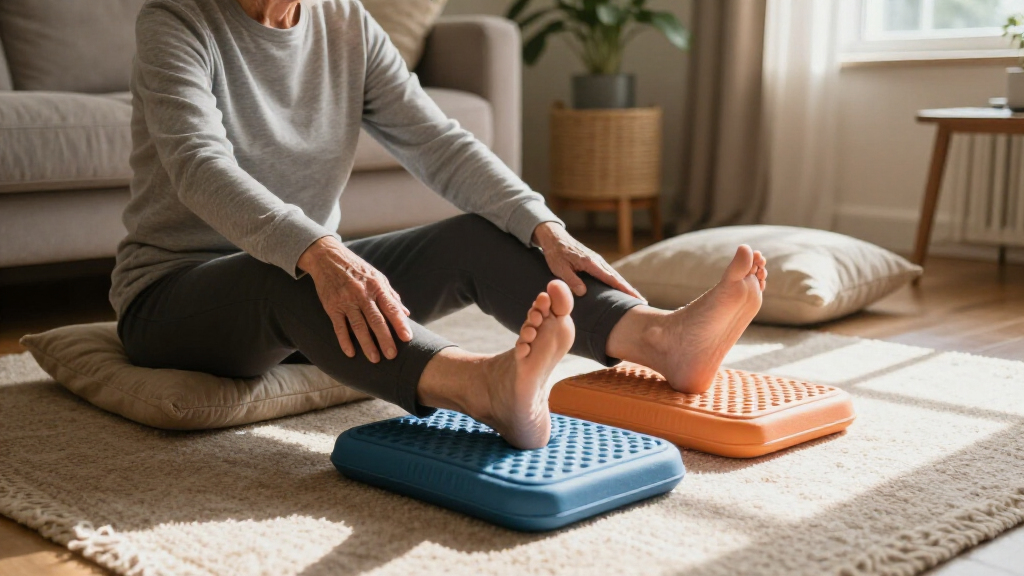
The products were selected based on their material quality, thickness, stability features, and user safety. We prioritized pads that balance firmness with cushioning to suit seniors’ comfort and fall prevention needs. Durability and non-slip features were key factors, as well as ease of use and price point. Each product was evaluated for its ability to support safe, effective balance training at home or in therapy settings. The ranking reflects a mix of overall performance, value, and specific features suited for seniors, ensuring options for different budgets and fitness levels.| balance pads for senior | Material |
|---|---|
| Foam Balance Pad for Physical | TPE |
| AIREX Balance Pad | Closed cell foam |
| Professional Balance Pad for P | Eco-friendly TPE |
| High-Density Balance Pad | High-density TPE foam |
| StrongTek Foam Balance Pad | High-density TPE foam |
| ProsourceFit Exercise Balance | TPE |
| HAPBEAR Exercise Balance Pad | Dense TPE foam |
| StrongTek Foam Balance Pad | High-density TPE foam |
Factors to Consider When Choosing Best Balance Pads For Seniors
Choosing the right balance pad involves considering several factors to ensure safety, comfort, and effectiveness. It’s important to match the pad’s features with your specific needs, whether for rehabilitation, daily exercise, or general stability improvement. Here are some key considerations:Material and Density
Materials like TPE foam and high-resilience foam provide different levels of support and durability. Higher density pads tend to last longer and offer better stability, which can be crucial for seniors who need reliable support during balance exercises. Softer materials may be more comfortable initially but could wear out sooner, especially with frequent use. Consider your comfort preference and how often you’ll use the pad when selecting material density.
Thickness and Cushioning
Thicker pads, typically 2 inches or more, offer more cushioning, reducing joint impact and discomfort. However, excessive thickness can make balancing more challenging, especially for beginners. Thinner options improve stability but may be less forgiving for sensitive joints. Striking a balance based on activity level and joint health is key—more cushioning for comfort, less for stability training.
Surface Grip and Safety
A non-slip surface is essential to prevent accidental slips during use. Look for pads with textured surfaces or those that come with additional grip accessories if needed. Remember that even non-slip mats can benefit from a dry environment and proper placement. For seniors, safety features like textured tops and anti-slip bases are non-negotiable to minimize fall risks.
Size and Portability
Wider and larger pads provide more stability, which is helpful for beginners or those with significant balance issues. Conversely, more compact designs are easier to store and transport, making them suitable for limited space or travel. Consider where you’ll use the pad most often and whether portability or stability is a higher priority for your situation.
Price and Durability
Budget options are attractive but may sacrifice longevity or some safety features. Investing in a durable, high-quality pad can pay off through extended use and better performance, especially if you plan to incorporate balance training regularly. Think about your long-term usage and choose a product that offers the best combination of support and value for your budget.
Frequently Asked Questions
Can seniors use balance pads for everyday exercises?
Yes, many seniors incorporate balance pads into their daily routines to improve stability and prevent falls. It’s important to start with shorter sessions and gradually increase as confidence and strength build. Always choose a pad with adequate support and non-slip features, and consult with a healthcare professional if you’re unsure about specific exercises or if you have pre-existing health conditions.
What thickness of balance pad is best for seniors with joint pain?
Thicker pads, around 2 inches, offer more cushioning, which can be beneficial for seniors with joint pain or arthritis. The extra padding reduces joint impact during exercises, making workouts more comfortable. However, ensure that the thickness doesn’t compromise stability—balance exercises should feel secure without excessive wobbling.
Are expensive balance pads worth the investment?
Higher-priced pads often feature better materials, enhanced durability, and improved safety features, which can be worth the investment for regular use. They tend to last longer and provide more consistent support, making them suitable for ongoing therapy or fitness routines. Cheaper options might suffice for occasional use but may wear out quickly or lack safety features.
How do I ensure safety when using a balance pad at home?
Always select a pad with a non-slip surface and place it on a flat, dry surface. Use it in a safe environment free of clutter, and consider having support nearby, such as a sturdy chair or railing. Start with exercises that match your comfort and skill level, and avoid pushing beyond your limits. Consulting a physical therapist for guidance can also enhance safety and effectiveness.
Can balance pads help prevent falls in seniors?
Yes, regular use of balance pads can strengthen stabilizer muscles and improve proprioception, both of which are vital for fall prevention. They provide a controlled environment to practice balance and coordination exercises safely. When used consistently, they can contribute to increased confidence in daily movements and reduce the risk of falls, especially when combined with other safety measures.
Conclusion
The best overall balance pad for seniors is the Foam Balance Pad for Physical Therapy, thanks to its supportive cushioning and durability. For those seeking the best value, the StrongTek Foam Balance Pad offers solid support at a budget-friendly price. If you prefer a premium experience with increased longevity, the AIREX Balance Pad provides exceptional stability and comfort. Beginners or those with severe balance concerns may find the HAPBEAR Exercise Balance Pad easier to use, while more advanced users might opt for wider, high-density options like the StrongTek TPE pad. Consider your specific needs, budget, and safety priorities to make the best choice for your balance training journey.