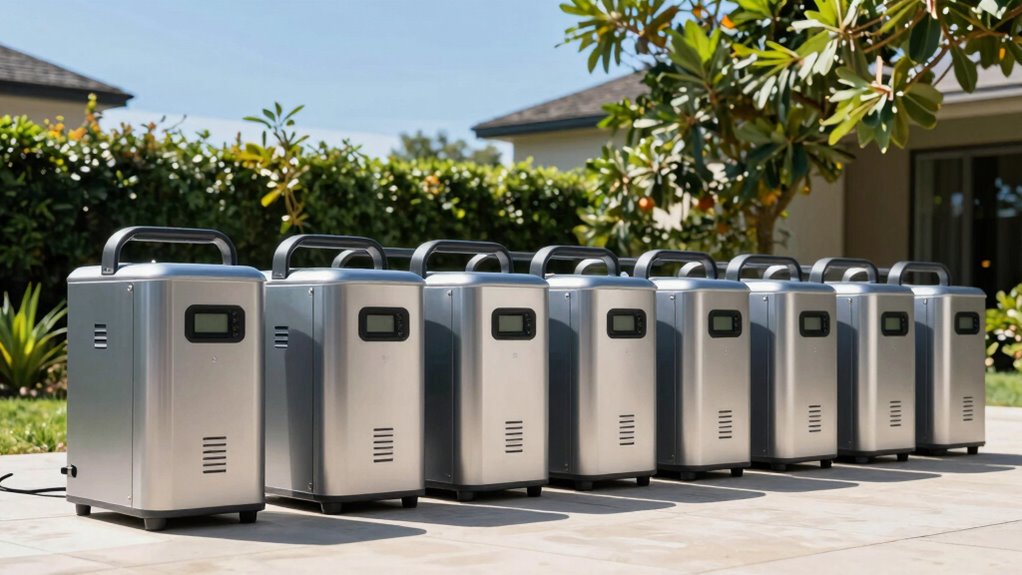

When choosing a solar generator for home backup, the goal is to find a reliable source of power that can handle essential appliances during outages. The best overall pick, the Anker SOLIX S2000, offers a high capacity and robust power output suitable for most homes. For those seeking affordability, the Jackery Solar Generator 1000 V2 provides a solid balance of capacity and portability. Meanwhile, the Jackery HomePower 3600 Plus stands out for its expandable design and high wattage, ideal for larger needs. The main challenge lies in balancing capacity, portability, and cost—more power often means a higher price and larger size. Continue reading for a detailed breakdown of each option and what makes them suitable for different needs.

Get decor and gifts delivered free with Prime
- Fast, free delivery on millions of items
- Prime Video, Amazon Music and more included
- Member-only deals all year
Complete the kit


Key Takeaways
- High-capacity units like the Anker SOLIX S2000 deliver the most reliable home backup power but come with higher costs and larger sizes.
- Expandable models such as the Jackery HomePower 3600 Plus provide flexibility for future power needs, making them ideal for long-term use.
- Solar input wattage varies significantly, impacting how quickly a generator can recharge, especially important during extended outages.
- Battery chemistry (LiFePO4 vs. others) influences longevity and safety, which matters for continuous home backup use.
- Portability features are less critical for home backup but can be beneficial if you want multi-use flexibility or portability during emergencies.
| Anker SOLIX S2000 Portable Power Station, 2010Wh, 3000W Peak, Home Backup |  | Best Overall for Reliable Home Backup and Portability | Wattage: 2010 Wh | Peak Power: 3000W | Runtime: 35 hours | VIEW ON AMAZON | See Our Full Breakdown |
| Jackery Solar Generator 1000 V2 with 200W Solar Panel, 1070Wh, 1500W AC |  | Best for Portable Outdoor Use and Emergencies | Wattage: 1500W | Capacity: 1070Wh | Runtime: 2 hours | VIEW ON AMAZON | See Our Full Breakdown |
| Jackery HomePower 3600 Plus Portable Power Station, 3600W AC Output, 3584Wh LFP Solar Generator, Expandable up to 21kWh |  | Best for Large-Scale Home Backup and Emergency Power | Output Wattage: 3600W | Capacity: 3584Wh | Expandable Capacity: up to 21kWh | VIEW ON AMAZON | See Our Full Breakdown |
| Ark3600 Portable Power Station with 3×200W Solar Panels |  | Best for Off-Grid and Extended Home Backup Needs | Wattage: 3600W | Capacity: 3840Wh | Expandable Capacity: up to 11520Wh | VIEW ON AMAZON | See Our Full Breakdown |
| Jackery HomePower 3000 with 2x200W Solar Panels, 3072Wh, 3600W AC Output |  | Best for Powerful, Reliable Home Backup with Fast Charging | Battery Capacity: 3072Wh | Output Wattage: 3600W | Charge Time: 1.7 hours via hybrid AC/DC | VIEW ON AMAZON | See Our Full Breakdown |
| OSCAL PowerMax 6000 Solar Generator with 3×400W Solar Panels |  | Best Overall for High Power and Emergency Backup | Capacity: 3600Wh | Surge Power: 9000W | Rated Power: 6000W | VIEW ON AMAZON | See Our Full Breakdown |
| ABOK Ark3600 Portable Power Station 3600W, 3840Wh LiFePO4 Battery |  | Best for Long-Term, Expandable Power in a Portable Frame | Wattage: 3600W | Capacity: 3840Wh (expandable to 11520Wh) | Battery Type: LiFePO4 | VIEW ON AMAZON | See Our Full Breakdown |
| Jackery Solar Generator 300 with 40W Solar Panel, 292Wh, 300W AC |  | Best for Lightweight Portability and Outdoor Use | Wattage: 300W | Capacity: 292Wh | Output Wattage: 300W | VIEW ON AMAZON | See Our Full Breakdown |
| ABOK Ark3600 Portable Power Station with 400W Solar Panel, 2000W Solar Input |  | Best for High Solar Input and Long-Term Outdoor Power | Wattage: 3600W | Battery Capacity: 3840Wh | Battery Type: LiFePO4 | VIEW ON AMAZON | See Our Full Breakdown |
| EF ECOFLOW Portable Power Station 3600Wh DELTA Pro, 120V 3600W AC Output | 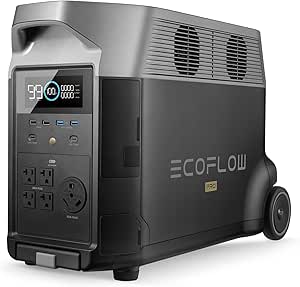 | Best Overall for High-Capacity Home Backup | Wattage: 3600Wh | Fuel Type: Non-gasoline | Power Source: Battery Powered | VIEW ON AMAZON | See Our Full Breakdown |
| Jackery Explorer 300 Portable Power Station, 292Wh |  | Best for Lightweight, Portable Power on the Go | Capacity: 292Wh | Weight: 7.5 lbs | Outlets: 2 AC, 1 USB-C PD, 2 USB-A, 1 car port | VIEW ON AMAZON | See Our Full Breakdown |
| Jackery HomePower 3600 Plus Portable Power Station with Solar Panels |  | Best for Large-Scale Home Backup & Emergency Power | Output Wattage: 3600W | Capacity: 3584Wh | Expandable Capacity: up to 21kWh | VIEW ON AMAZON | See Our Full Breakdown |
| solar generator for home backup | Battery Type | Capacity | Weight | Wattage |
|---|---|---|---|---|
| Anker SOLIX S2000 Portable Pow | LiFePO4 | — | — | 2010 Wh |
| Jackery Solar Generator 1000 V | Lithium-ion | 1070Wh | 23.8 pounds | 1500W |
| Jackery HomePower 3600 Plus Po | LFP (Lithium Iron Phosphate) | 3584Wh | 77.2 pounds | — |
| Ark3600 Portable Power Station | LiFePO4 | 3840Wh | 92 pounds | 3600W |
| Jackery HomePower 3000 with 2x | LiFePO4 | — | 59.5 pounds | — |
| OSCAL PowerMax 6000 Solar Gene | LiFePO4 | 3600Wh | — | — |
| ABOK Ark3600 Portable Power St | LiFePO4 | 3840Wh (expandable to 11520Wh) | 92 pounds | 3600W |
| Jackery Solar Generator 300 wi | — | 292Wh | — | 300W |
| ABOK Ark3600 Portable Power St | LiFePO4 | — | 92 pounds | 3600W |
| EF ECOFLOW Portable Power Stat | — | — | — | 3600Wh |
| Jackery Explorer 300 Portable | — | 292Wh | 7.5 lbs | — |
| Jackery HomePower 3600 Plus Po | LFP (Lithium Iron Phosphate) | 3584Wh | 77.2 pounds | — |
More Details on Our Top Picks
Anker SOLIX S2000 Portable Power Station, 2010Wh, 3000W Peak, Home Backup
The Anker SOLIX S2000 stands out for its impressive 2010Wh capacity and lightweight design, making it ideal for emergency power or backup in smaller homes. Unlike larger models like the Jackery HomePower 3600 Plus, it offers a more portable form without sacrificing substantial runtime—up to 35 hours for a fridge. However, it lacks a 12V DC port, which could limit compatibility with some vehicle or RV setups. Its high-capacity LiFePO4 battery ensures over 10,000 cycles, providing long-term reliability. Compared to bulky units, this one balances power and portability well, though its limited outlets (eight) might constrain heavy users. Overall, this pick suits those needing dependable backup power that’s easier to move around, but not the best choice for large-scale power needs.
Pros:- Long runtime of up to 35 hours for essential devices
- Lightweight and compact for portability
- High-capacity LiFePO4 battery with 10,000 cycles
- Multiple charging options including solar, AC, and car outlet
Cons:- No 12V DC port available
- Limited to 8 outlets, which may be insufficient for some users
Best for: Homeowners or small business owners seeking portable, reliable backup with long cycle life
Not ideal for: Users who need multiple 12V DC ports or extensive outlet options for large appliances
- Wattage:2010 Wh
- Peak Power:3000W
- Runtime:35 hours
- Item Weight:35.7 pounds
- Item Dimensions:8.19″L x 11.1″W x 12.7″H
- Battery Type:LiFePO4
Our verdict“This power station is ideal for those prioritizing portability and long-term reliability in home backup scenarios.”
Jackery Solar Generator 1000 V2 with 200W Solar Panel, 1070Wh, 1500W AC
The Jackery Solar Generator 1000 V2 offers a compact, lightweight solution with a 1070Wh capacity and 1500W AC output, making it perfect for camping and short-term emergencies. Its fast-charging feature minimizes downtime, but it requires enabling emergency mode for a quick 1-hour fast charge, which might complicate setup for some users. Unlike the Ark3600, which provides higher capacity, this unit is easier to carry and set up, ideal for outdoor enthusiasts or those needing quick power on the go. Its limited runtime of about 2 hours at full load is a tradeoff for its portability, but it’s less suited for sustained home backup needs. This generator is best for users who need reliable, portable power without the bulk of larger models.
Pros:- Lightweight and portable design
- Fast charging capability
- Supports multiple devices simultaneously
- Durable battery with over 10 years lifespan
Cons:- Requires enabling emergency mode for fast charge
- Limited runtime of 2 hours at full load
Best for: Campers, outdoor adventurers, and small emergency kits requiring portable, quick-charging power
Not ideal for: Home users needing long-term backup or powering multiple appliances simultaneously
- Wattage:1500W
- Capacity:1070Wh
- Runtime:2 hours
- Weight:23.8 pounds
- Dimensions:12.87″L x 8.82″W x 9.72″H
- Battery Type:Lithium-ion
Our verdict“This generator makes the most sense for users who prioritize portability and quick recovery over long-term power supply.”
Jackery HomePower 3600 Plus Portable Power Station, 3600W AC Output, 3584Wh LFP Solar Generator, Expandable up to 21kWh
The Jackery HomePower 3600 Plus offers a robust 3584Wh capacity and 3600W AC output, making it well-suited for comprehensive home backup, especially during extended outages. Its ability to expand to 21kWh surpasses many competitors like the Ark3600, making it a strong choice for large households or small businesses. Its luggage-style design enhances portability despite its weight of 77.2 pounds, but setup is required to optimize operation. Compared to smaller models, this generator handles multiple appliances simultaneously with ease, though its size and weight could be a drawback for frequent repositioning. If you need a powerful, expandable solution that can support larger loads, this model fits the bill.
Pros:- High-capacity, expandable to 21kWh
- Multiple charging options including solar, AC, and gas generator
- Long battery lifespan of 6,000 cycles
- Luggage-style portability for its size
Cons:- Heavy at 77.2 pounds
- Requires setup and assembly for optimal use
Best for: Large households, small businesses, or RV owners needing extensive backup power with expandability
Not ideal for: Individuals seeking a lightweight, portable option for occasional use or small-scale emergencies
- Output Wattage:3600W
- Capacity:3584Wh
- Expandable Capacity:up to 21kWh
- Battery Type:LFP (Lithium Iron Phosphate)
- Number of Outlets:2
- Weight:77.2 pounds
Our verdict“This model is best for those needing a powerful, expandable backup system capable of supporting large loads for extended periods.”
Ark3600 Portable Power Station with 3×200W Solar Panels
The Ark3600 is notable for its high 3840Wh capacity, expandable up to 11520Wh, making it suitable for long-term off-grid living and large home backup. Its fast recharge time of around 1.29 hours with AC and solar combined offers a significant advantage over smaller units, like the Jackery Solar Generator 1000 V2. Its multiple output ports and Bluetooth app control add convenience for managing various devices remotely. However, its weight of 92 pounds limits mobility, and setup complexity is higher due to solar panel integration. It’s an expensive but highly capable system for users who prioritize capacity and expandability—less suited for those needing something lightweight or quick to deploy.
Pros:- High-capacity expandable battery
- Fast recharging in under 1.5 hours
- Multiple output ports including Bluetooth app control
- Supports long-term off-grid living
Cons:- Heavy at 92 pounds
- Requires solar panel setup for optimal solar charging
Best for: Off-grid enthusiasts, large households, or emergency preparedness with long-term power needs
Not ideal for: Users requiring a lightweight, portable solution for short-term or occasional backup
- Wattage:3600W
- Capacity:3840Wh
- Expandable Capacity:up to 11520Wh
- Battery Type:LiFePO4
- Battery Cycles:4000+
- Weight:92 pounds
Our verdict“This system best serves those seeking a large, expandable power solution for off-grid or extended backup use.”
Jackery HomePower 3000 with 2x200W Solar Panels, 3072Wh, 3600W AC Output
The Jackery HomePower 3000 offers a solid 3072Wh capacity and 3600W AC output, making it suitable for powering essential household appliances during outages. Its fast recharge options, including solar, AC, and car charger, provide flexibility, and the LiFePO4 batteries with 4000 cycles ensure longevity. Compared to the Anker SOLIX S2000, which is more portable, the HomePower 3000 emphasizes raw power and capacity, with multiple ports including USB-C and RV connections for versatile use. The tradeoff lies in its weight of nearly 60 pounds and the need to purchase solar panels separately, which adds to overall cost. This model is ideal if you require high capacity with rapid recharging for home or outdoor use, but not if portability is a priority.
Pros:- High capacity and 3600W output
- Fast recharging via multiple methods
- Long-lasting 4000-cycle LiFePO4 batteries
- Multiple versatile ports
Cons:- Heavy at 59.5 pounds
- Solar panels sold separately, increasing upfront cost
Best for: Homeowners needing reliable, fast-recharge backup power for large loads or outdoor events
Not ideal for: Users seeking a lightweight, highly portable solution for camping or short-term emergencies
- Battery Capacity:3072Wh
- Output Wattage:3600W
- Charge Time:1.7 hours via hybrid AC/DC
- Number of Outlets:4
- Weight:59.5 pounds
- Battery Type:LiFePO4
Our verdict“This model fits those who need a high-capacity, fast-recharge power station for home or outdoor backup, accepting some weight and cost tradeoffs.”
OSCAL PowerMax 6000 Solar Generator with 3×400W Solar Panels
The OSCAL PowerMax 6000 stands out for its remarkable 9000W surge capacity, making it suitable for running multiple household appliances simultaneously during outages. Compared to the Jackery Solar Generator 1000 V2, it offers significantly higher power output, though it comes with the tradeoff of likely being bulkier and heavier. Its fast charging—under 2 hours—and long-lasting LiFePO4 battery with 3500 cycles mean it’s built for long-term reliability in emergency situations. However, details on weight and dimensions are missing, which could impact portability for some users. Its ability to run high-wattage appliances makes it ideal for those seeking a robust backup, but its potentially high cost might deter budget-conscious buyers.
Pros:- Exceptional 9000W surge power for large appliances
- Fast charging in under 2 hours
- Long cycle life with LiFePO4 battery
Cons:- Weight and bulk not specified, possibly cumbersome
- Price likely high, limiting affordability
Best for: Homeowners needing a powerful, reliable backup for high-wattage appliances during outages.
Not ideal for: Small households or those prioritizing portability and lightweight solutions, due to its probable bulk and weight.
- Capacity:3600Wh
- Surge Power:9000W
- Rated Power:6000W
- AC Output:4 outlets
- Input Charging Power:2200W AC, 2400W solar
- Battery Type:LiFePO4
- Charge Cycles:up to 3500
- Included Panels:3×400W solar panels
- Charging Time:1.44-1.96 hours
Our verdict“This high-capacity generator is best suited for users who need serious power and can manage its size and cost.”
ABOK Ark3600 Portable Power Station 3600W, 3840Wh LiFePO4 Battery
The ABOK Ark3600 provides a solid 3840Wh capacity with the ability to expand up to 11520Wh, making it a flexible choice for those planning long-term off-grid or emergency use. Compared to the Jackery Explorer 300, its much higher wattage and capacity support more appliances simultaneously, though its 92-pound weight makes portability a challenge. Its over 4000 cycle lifespan ensures durability, and the variety of output ports increases its versatility. The high initial cost and weight mean it’s best for those who prioritize capacity and longevity over ease of transport, which might limit its appeal for casual users or frequent movers.
Pros:- Expandable capacity up to 11520Wh for long-term use
- High cycle life of over 4000 cycles
- Multiple versatile output ports
Cons:- Heavy weight at 92 pounds hampers portability
- High cost may be prohibitive for some
Best for: Preppers or off-grid enthusiasts needing long-lasting, expandable backup power with multiple device options.
Not ideal for: Users who require lightweight or portable solutions for frequent relocation or outdoor activities due to its weight.
- Wattage:3600W
- Capacity:3840Wh (expandable to 11520Wh)
- Battery Type:LiFePO4
- Cycle Life:Over 4000
- Output Power:3600W rated, 4500W peak
- Charging Methods:AC, PV, car
- Input Power:1500W AC, 2000W PV, 120W car
- Weight:92 pounds
Our verdict“Ideal for users who need a durable, expandable power station with extensive capacity, accepting the tradeoff of portability.”
Jackery Solar Generator 300 with 40W Solar Panel, 292Wh, 300W AC
The Jackery Explorer 300 is a compact, lightweight option at just under 13 pounds, making it highly portable for camping or small backup needs. Its 292Wh capacity is modest compared to larger models like the Jackery HomePower 3600 Plus, but it excels in ease of transport and quick setup. It supports fast solar charging with compatible panels, and its durable LiFePO4 chemistry ensures over 4,000 charge cycles. The limited 300W rated output means it’s best for low-power devices, so it’s less suited for running larger appliances during a home blackout. For occasional or outdoor use, it offers a good balance of weight and power, but it won’t handle high-wattage appliances during extended outages.
Pros:- Lightweight and easy to carry
- Multiple charging options including fast solar charging
- Long-lasting LiFePO4 chemistry with over 4,000 cycles
Cons:- Limited to 300W output, restricting high-power device use
- Relatively high weight for its category
Best for: Campers or small household users needing a portable power source for low-wattage devices and quick outdoor setup.
Not ideal for: Homes with high power needs during outages, as its 300W capacity cannot support large appliances or multiple devices simultaneously.
- Wattage:300W
- Capacity:292Wh
- Output Wattage:300W
- Additional Features:Portable, fast solar charging
- Engine Type:Battery
- Item Weight:12.9 pounds
Our verdict“Best suited for outdoor adventures or small backup needs where portability outweighs high capacity.”
ABOK Ark3600 Portable Power Station with 400W Solar Panel, 2000W Solar Input
The ABOK Ark3600 with its 2000W solar input stands out for rapid recharging under optimal sunlight, surpassing models like the BROWEY 1600W in solar compatibility. Its 3840Wh capacity and 400W solar panel support extended off-grid use, making it a reliable backup option for larger households or outdoor projects. While its 92-pound weight limits portability, the wide array of 15 output ports enhances versatility. Its main drawback revolves around the hefty weight, which complicates frequent movement. This makes it ideal for fixed outdoor setups or emergency preparedness rather than casual transport.
Pros:- High solar input capacity (2000W) for quick recharging
- Large expandable capacity up to 11520Wh
- Multiple output ports for diverse device needs
Cons:- Heavy at 92 pounds, challenging to move
- Price may be high, limiting accessibility
Best for: Preppers or outdoor enthusiasts seeking fast recharging and high capacity for extended off-grid power.
Not ideal for: Users needing lightweight, portable solutions for frequent relocation or outdoor activities with limited lifting capacity.
- Wattage:3600W
- Battery Capacity:3840Wh
- Battery Type:LiFePO4
- Cycle Life:4000 cycles
- Peak Power:4500W
- Input Power:2000W solar, 1500W AC
- Number of Output Ports:15
- Weight:92 pounds
Our verdict“Designed for long-term outdoor power with fast solar input, best for users comfortable with its weight and higher price.”
EF ECOFLOW Portable Power Station 3600Wh DELTA Pro, 120V 3600W AC Output
The EF ECOFLOW DELTA Pro stands out for its enormous 3600Wh capacity, making it ideal for comprehensive home backup needs. Its ability to expand up to 25kWh with additional batteries or generators offers a flexible solution for ongoing energy demands, unlike smaller options like the Jackery Explorer 300, which is better suited for portable, short-term use. Fast recharging in under 3 hours, combined with multiple output ports, ensures it can support various essential devices simultaneously. However, the hefty 99-pound weight limits portability, and the high cost may be prohibitive for some. This model is best for users who prioritize long-term, large-scale backup power and are prepared for its size and price.
Pros:- Large 3600Wh capacity with expansion options
- Fast recharge under 3 hours
- Multiple output ports for versatile device support
- Smart app control for monitoring
Cons:- Heavy at 99 pounds, difficult to move frequently
- Expensive compared to smaller or less capable models
- Requires additional batteries or solar panels for full expansion
Best for: Homeowners seeking a reliable, expandable backup power source capable of running multiple appliances during outages
Not ideal for: Small apartment dwellers or those needing a portable unit for camping, due to its weight and size
- Wattage:3600Wh
- Fuel Type:Non-gasoline
- Power Source:Battery Powered
- Output Wattage:4500W
- Total Power Outlets:15
- Runtime:24 hours
- Item Weight:99 pounds
- Dimensions:25″L x 11.2″W x 16.4″H
Our verdict“This pick is perfect for homeowners who need a high-capacity, reliable backup and can handle its size and cost.”
Jackery Explorer 300 Portable Power Station, 292Wh
The Jackery Explorer 300 offers a compact, lightweight design that makes it ideal for camping, hiking, or quick emergency use. Weighing only 7.5 pounds, it is a stark contrast to the heavy ECOFLOW DELTA Pro, yet still provides enough power (292Wh) for essential devices like phones, small appliances, or cameras. Its battery chemistry, LiFePO4, supports over 4,000 charge cycles, promising long-term durability, and its multiple outlets (AC, USB-C, USB-A, car port) maximize versatility. The downside is its limited 300W rated output, which won’t run larger appliances or power multiple devices simultaneously for long. Unlike the Jackery HomePower 3600 Plus, it lacks built-in solar panels and isn’t suitable for large-scale home backup. It’s best for individuals needing portable, reliable power for short-term or off-grid scenarios.
Pros:- Extremely lightweight at 7.5 pounds
- Durable LiFePO4 chemistry with over 4,000 cycles
- Multiple device charging options
- Fast solar charging capability
Cons:- Limited capacity of 292Wh
- No included solar panel
- Rated for only 300W, restricting larger appliance use
Best for: Hikers, campers, or small-scale emergency users who prioritize portability and durability
Not ideal for: Homeowners seeking a large, expandable backup system for whole-house use, due to its small capacity
- Capacity:292Wh
- Weight:7.5 lbs
- Outlets:2 AC, 1 USB-C PD, 2 USB-A, 1 car port
- Rated Output:300W
- Peak Surge:600W
- Charge Cycles:Over 4,000
- Dimensions:9.1 x 5.2 x 7.8 inches
- Battery Chemistry:LiFePO4
Our verdict“This unit is best for portable, short-term power needs rather than full-home backup solutions.”
Jackery HomePower 3600 Plus Portable Power Station with Solar Panels
The Jackery HomePower 3600 Plus combines a substantial 3584Wh capacity with high power output (3600W), making it suitable for running essential home appliances during outages. Its expandable capacity up to 21kWh suits larger energy needs, surpassing the static capacity of the ECOFLOW DELTA Pro in some respects. The unit’s lightweight, luggage-style design simplifies transport, and multiple charging options, including solar and gas generator, offer flexibility. However, solar panels are shipped separately, adding to initial costs and setup complexity. At 77.2 pounds, it is easier to move than the ECOFLOW but still quite heavy. This model makes the most sense for users who want a portable, high-capacity backup that can be scaled up for larger homes or prolonged outages.
Pros:- High power output (3600W) for home appliances
- Expandable capacity up to 21kWh
- Multiple charging options including solar and gas
- Lightweight and portable with rolling design
Cons:- Solar panels shipped separately, increasing initial cost
- Heavy at 77.2 pounds, but easier to move than larger stationary units
- Higher upfront expense for full setup
Best for: Homeowners or emergency preparedness enthusiasts needing expandable, high-power backup with mobility
Not ideal for: Budget-conscious buyers or those seeking an all-in-one package, as solar panels are sold separately and initial costs are higher
- Output Wattage:3600W
- Capacity:3584Wh
- Expandable Capacity:up to 21kWh
- Voltage:120V & 240V in parallel
- Charging Time:2 hours via hybrid AC+DC
- Weight:77.2 pounds
- Number of Outlets:4
- Battery Type:LFP (Lithium Iron Phosphate)
Our verdict“This unit is suited for users needing a scalable, portable backup system with high output capacity and flexibility for larger homes or emergency use.”

How We Picked
To determine the best solar generators for home backup, I evaluated each product based on capacity, output power, recharge times, and build quality. I prioritized units with high watt-hour ratings and reliable solar input options, ensuring they can sustain essential appliances during outages. Usability factors such as user interface, portability, and expandability also played a role. Cost-effectiveness was considered alongside long-term value, especially for units with durable battery chemistry. The ranking reflects a balance between performance, versatility, and price, focusing on models that cater to realistic home backup needs rather than niche or overly specialized products.
| solar generator for home backup | Battery Type |
|---|---|
| Anker SOLIX S2000 Portable Pow | LiFePO4 |
| Jackery Solar Generator 1000 V | Lithium-ion |
| Jackery HomePower 3600 Plus Po | LFP (Lithium Iron Phosphate) |
| Ark3600 Portable Power Station | LiFePO4 |
| Jackery HomePower 3000 with 2x | LiFePO4 |
| OSCAL PowerMax 6000 Solar Gene | LiFePO4 |
| ABOK Ark3600 Portable Power St | LiFePO4 |
| Jackery Solar Generator 300 wi | — |
| ABOK Ark3600 Portable Power St | LiFePO4 |
| EF ECOFLOW Portable Power Stat | — |
| Jackery Explorer 300 Portable | — |
| Jackery HomePower 3600 Plus Po | LFP (Lithium Iron Phosphate) |
Factors to Consider When Choosing Solar Generator For Home Backup
Choosing the right solar generator for home backup involves understanding several key factors beyond just capacity. It’s important to consider how quickly the generator can recharge via solar, how much power it can deliver during outages, and how well it integrates into your current setup. Being aware of common pitfalls, like overestimating your power needs or ignoring recharge times, can help you make a smarter investment. This guide covers the most critical factors to keep in mind, helping you find a unit that balances reliability, cost, and future-proofing.Capacity and Power Output
Capacity, measured in watt-hours (Wh), determines how long your essential devices can run during an outage. A higher capacity means more endurance but also larger size and cost. Power output, rated in watts (W), indicates how much immediate power the generator can deliver, which is crucial for running appliances with high startup surges like refrigerators or sump pumps. It’s important to match your essential load with the generator’s continuous and surge ratings to avoid overloads.
Recharge Speed and Solar Input
Fast recharge times are vital during extended outages, especially if you rely heavily on backup power. The solar input wattage determines how quickly the generator can replenish its battery using solar panels. Higher solar input ratings mean faster recharging, but they often require more expensive or specialized panels. Consider your typical sunlight availability and choose a model that can recharge at a rate compatible with your expected outage duration.
Battery Chemistry & Longevity
Battery chemistry impacts both safety and lifespan. Lithium Iron Phosphate (LiFePO4) batteries are increasingly popular because they last longer and are safer under stress. Cheaper options may use lithium-ion batteries that degrade faster, leading to higher replacement costs over time. For home backup, investing in a durable chemistry can pay off through increased reliability and lower maintenance.
Size, Portability, and Expandability
While size and portability are less critical for a stationary home backup, they matter if you want multi-use flexibility or plan to move the generator during emergencies. Expandability features, such as additional battery modules or higher solar input compatibility, allow your system to grow with your needs. Be aware that larger, expandable models tend to be more expensive and bulkier but offer greater long-term value.
Cost and Value
Pricing varies widely, with premium models offering more capacity, faster recharge, and longer lifespan. Cheaper units might suffice for small-scale backup, but they often fall short during prolonged outages or higher power demands. It’s important to evaluate not just the initial cost but also the potential replacement or upgrade expenses over time, aiming for a model that provides the best balance of features and durability within your budget.
Frequently Asked Questions
How much capacity do I need for reliable home backup?
The right capacity depends on your essential appliances and the duration you expect to power them during an outage. A typical household fridge, for example, may need around 150-200Wh per hour, so a generator with 2000-3000Wh could sustain it for a day or more. Larger capacities are better if you want to run multiple devices simultaneously or extend outage periods. It’s wise to calculate your critical loads and choose a generator with at least 20-30% more capacity than your total estimated needs for flexibility.
Can solar generators fully replace my home’s main power supply?
While some high-capacity models can significantly supplement your home’s power needs during outages, they typically don’t replace the main grid fully. Solar generators are designed for backup, not continuous, everyday use. Achieving full replacement would require extremely large capacities and solar input, which can be impractical and costly. For most homes, these units serve as reliable emergency backups rather than complete substitutes for grid power.
How long do solar generator batteries last, and when should I replace them?
Most lithium-based batteries in solar generators last between 2000 and 5000 charge cycles, which translates to roughly 5-10 years of regular use. Battery longevity depends on usage patterns, temperature, and maintenance. LiFePO4 batteries tend to last longer than lithium-ion variants, making them a better choice for long-term home backup. Monitoring your battery’s capacity over time can help you decide when a replacement or upgrade is necessary to maintain reliable backup power.
Are portable solar generators suitable for permanent home installation?
While portable solar generators can be used for temporary or emergency backup, they are generally not intended for permanent, full-home installation. Fixed installations often require larger, custom systems with dedicated solar arrays and transfer switches. However, some high-capacity units with expandable batteries can be integrated into a semi-permanent backup setup, especially if paired with sufficient solar input and proper wiring. Always consult a professional for permanent installation considerations.
What should I prioritize: capacity or recharge speed?
Both factors are important, but the priority depends on your typical outage scenario. If outages are short and infrequent, recharge speed may be less critical, and focusing on capacity makes more sense. Conversely, if you experience prolonged outages or limited sunlight, a faster recharge capability can keep your system running longer without manual intervention. Ideally, choose a model that balances both, ensuring you can replenish power quickly while having enough capacity for your essential needs.
Conclusion
For most homeowners seeking a dependable backup system, the Anker SOLIX S2000 offers the best overall performance, combining high capacity with robust power output. Those on a tighter budget or with modest needs might prefer the Jackery Solar Generator 1000 V2, which provides reliable capacity at a lower price point. If you want a future-proof setup with expandability, the Jackery HomePower 3600 Plus stands out for its versatility. Beginners should focus on units with straightforward operation, while larger households or those with critical appliances should prioritize models with higher watt-hour ratings and faster recharge times. Choosing the right generator depends on balancing your current needs with potential future demands — this guide aims to help you find that perfect fit.