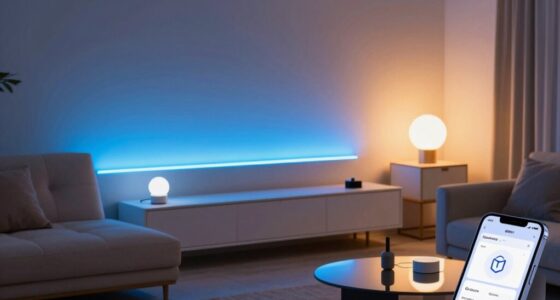
A welcoming home and a memorable gift have something important in common: both make everyday life feel more personal. Home decor shapes how rooms look, function, and feel, while thoughtful gifting helps people celebrate milestones, strengthen relationships, and create traditions. The best choices are rarely about following every trend. They come from understanding the recipient, the space, the occasion, and the practical details that matter over time.
This guide is an orientation to decorating, choosing gifts, preparing for celebrations, and adding useful technology without losing warmth or personality. Whether you are refreshing one room, shopping for a difficult-to-buy-for relative, planning a seasonal gathering, or building a more connected home, the sections below will help you decide where to begin.
Build a Home Around the Way You Live
Before choosing colors, furniture, or accessories, consider what each room needs to support. A living room may have to accommodate conversation, television, reading, children’s activities, or entertaining. A kitchen might function as a cooking space, homework station, and social hub. Bedrooms need comfort, storage, and enough visual calm to encourage rest.
Start by identifying the room’s primary purpose and its most persistent problem. If people have nowhere to set a drink, an occasional table may matter more than another decorative object. If a room feels harsh at night, layered lighting can make a greater difference than replacing furniture. If clutter gathers near the entrance, baskets, hooks, or a console could improve both appearance and function.
A practical room usually develops in layers. Begin with large necessities, then add lighting, textiles, storage, wall decor, and personal objects. Leaving some breathing room prevents the space from feeling overfilled and makes it easier to incorporate meaningful finds later.
Find a Style Without Locking Yourself Into a Label
Design labels such as traditional, modern, rustic, coastal, or eclectic can provide direction, but they do not have to become rigid rules. Instead, look for repeated qualities in rooms you admire. You may consistently prefer warm woods, curved shapes, muted colors, graphic patterns, or clean surfaces. Those preferences are more useful than trying to reproduce a complete showroom look.
A simple visual framework can keep purchases coherent: choose a restrained base palette, repeat two or three materials, and establish a general balance between simple and decorative pieces. Repetition connects items from different periods or sources. Contrast keeps the result interesting. A sleek lamp, for example, can refresh an older wooden table, while a textured textile can soften streamlined furniture.

Nordivale 47" High-Glossy LED Lift Top Coffee Table with 2 Sliding Drawers, Large Open Storage Space & Ambient LED Lighting, Modern Double-Layer Center Table for Living Room, Black
- High-Glossy Modern Finish: Sleek, stylish, easy-to-clean surface
- Lift Top with Charging Ports: Convenient lift-top with USB, Type-C, outlets
- Ample Storage Space: Open compartment and two sliding drawers
As an affiliate, we earn on qualifying purchases.
As an affiliate, we earn on qualifying purchases.
Use Color, Texture, and Light With Intention
Color influences the atmosphere of a room, but it should be considered alongside natural light, artificial lighting, existing finishes, and neighboring spaces. Samples can appear very different throughout the day, so evaluate them where they will actually be used. A color does not need to cover every wall to have impact; it can appear through upholstery, curtains, art, ceramics, or a single focal area.
Texture adds depth even when a palette is quiet. Wood grain, woven fibers, smooth glass, soft fabric, metal, stone, and paper all interact with light differently. Combining a few contrasting surfaces helps a neutral room feel layered instead of unfinished. In a colorful space, repeating textures can create continuity.
Lighting works best in layers. General lighting makes a room navigable, task lighting supports activities, and accent lighting creates atmosphere or highlights particular features. Table lamps and floor lamps can also bring light closer to eye level, often making an evening space feel more intimate than overhead lighting alone.
Make Everyday Rooms More Functional
The Kitchen and Dining Area
A pleasant kitchen is not only visually coordinated; it makes common tasks easier. Keep frequently used tools near the place where they are needed, preserve clear preparation space, and avoid filling every visible surface. Open storage can display attractive everyday pieces, while closed storage is useful for packaging, appliances, and visual clutter.
Cooking equipment can also be part of a home-focused gift or upgrade. A baker who struggles with inconsistent cookware may appreciate guidance on choosing durable essentials, including these baking sheets designed to resist warping. Practical kitchen gifts are most successful when they suit the recipient’s actual habits rather than an imagined lifestyle.
Dining spaces benefit from flexibility. A durable table surface, comfortable chairs, accessible serving pieces, and adjustable lighting can support weekday meals as well as celebrations. Table linens, candles, flowers, or seasonal branches can change the mood without requiring permanent decor changes.
The Bedroom and Personal Spaces
Bedrooms tend to feel more restful when storage is manageable, pathways are clear, and the visual focus is limited. Bedding provides a large field of color and texture, but comfort and care requirements should guide the choice. Bedside lighting, window coverage, and a convenient place for personal items contribute as much to the room as decorative accessories.
Personal-care gifts can fit naturally into a bedroom or dressing-area routine, but they require more consideration than purely decorative presents. Learn about the category, check the recipient’s preferences, and avoid implying guaranteed results. Someone interested in at-home beauty technology may find this overview of red light therapy masks useful for comparing available options and features.
Entryways, Workspaces, and Overlooked Corners
Small transitional areas can solve large household frustrations. An entryway may need a landing place for keys, bags, shoes, and deliveries. A work area may need cable management, focused light, or a background suitable for video calls. An unused corner can become a reading spot, plant display, or compact hobby station if it has a clear purpose.
When storage is visible, choose containers that relate to the room’s colors and materials. When it is hidden, prioritize dimensions, access, and labeling. The goal is not to conceal every sign of life, but to make frequently used items easy to retrieve and return.
Bring Technology Into the Home Thoughtfully
Connected devices can improve convenience, entertainment, security, and energy management, but compatibility deserves attention before purchase. Consider which platforms and communication standards are already in the household, who will manage the system, and whether everyday functions remain usable when an app or internet connection is unavailable.
A central controller may help coordinate devices from multiple categories. If you are planning a connected-home setup, compare the capabilities covered in this guide to multi-protocol smart home hubs. The right approach is often to begin with one meaningful routine—such as lighting at arrival or bedtime—before expanding the system.
Network coverage also affects how well connected devices and entertainment systems perform throughout the home. Larger or more challenging layouts may benefit from distributed networking equipment. Households focused on online play can explore mesh Wi-Fi systems for gaming while considering placement, device compatibility, and the internet service entering the home.
Technology can also help protect belongings outside the house. For travelers, commuters, students, or anyone managing easily misplaced items, a guide to GPS trackers for valuables can support a more informed choice. As with all connected products, review setup requirements, privacy controls, ongoing service needs, and the situations in which location information is available.
Choose Gifts by Recipient, Not by Category
A useful gift-selection process begins with observation. What does the person do repeatedly? What do they postpone buying for themselves? What interests have they mentioned recently? Do they prefer experiences, consumables, practical objects, sentimental keepsakes, or playful surprises? These questions narrow the field more effectively than searching for a generic gift for a particular age or relationship.
Consider the recipient’s available space and tolerance for maintenance. Large decorative objects can become obligations in a small home. Plants require care. Specialty appliances require storage. Fragrance and personal-care items depend heavily on taste. When preferences are uncertain, choose something adaptable, consumable, returnable, or connected to a shared experience.
Gifts That Feel Personal
Personal does not have to mean personalized with a name or date. A gift can feel highly specific because it reflects a remembered conversation, supports a hobby, or improves a familiar routine. Presentation can reinforce that connection: include a short note explaining why the item reminded you of the recipient.
Fragrance is an especially expressive but subjective choice. It can work well when you already know which scent families or brands the person enjoys. For background and inspiration, browse this introduction to luxury fragrance houses known for iconic scents. When taste is uncertain, discovery formats or a shopping experience may be more flexible than choosing a full-size fragrance on someone else’s behalf.
Practical Gifts With Seasonal Appeal
Practical gifts feel thoughtful when they address a real inconvenience. They can be particularly welcome during colder months, travel-heavy periods, or outdoor activities. Someone who regularly commutes, attends winter events, walks a dog, or spends time outside may be interested in the options covered in this guide to rechargeable hand warmers.
Before giving any rechargeable device, consider how simple it is to operate, carry, charge, and store. Include relevant accessories or instructions when appropriate, and make sure the recipient is comfortable using the product category.
Match the Gift to the Occasion
Different occasions call for different levels of intimacy and formality. Housewarming gifts can support the new space without imposing a decorating style. Host gifts are usually modest and easy to receive during a busy event. Wedding and anniversary gifts may emphasize shared life, while graduation and retirement gifts can acknowledge transition and future plans.
Group exchanges invite a more playful approach. The best choice is broadly appealing enough to attract attention while still being useful or amusing after the event. If you need ideas within a defined budget, start with these white elephant gifts under $50. Always check the organizer’s spending limit and tone, since some exchanges favor practical items and others reward absurdity.
Timing matters too. For occasions involving travel, shipping, customization, or seasonal demand, plan early. Keep gift receipts when appropriate, protect fragile items, and avoid overly elaborate wrapping when the recipient will need to transport the package.
Prepare a Home for Gatherings
Successful hosting depends more on comfort and flow than elaborate decoration. Provide a clear place for coats and bags, enough seating or surfaces for the style of event, accessible drinks, and lighting that suits the time of day. Guests should be able to understand where to go and what to do without repeated instructions.
Decorations are most effective when they support the occasion without crowding serving areas or blocking conversation. Repeat a small selection of colors or materials across the entrance, table, and main gathering space. Natural elements, textiles, paper decorations, and warm lighting can establish a theme without transforming the entire house.
Plan for different needs by offering nonalcoholic drinks, clearly identifying foods when necessary, and creating at least one quieter place away from the center of activity. For family gatherings, consider children, older guests, and anyone with mobility or sensory needs. Thoughtful logistics are a form of hospitality.
Create Traditions That Can Evolve
A home becomes meaningful through repetition: the serving dish used every holiday, the flowers bought at the start of a season, the annual game, or the familiar place where photographs are taken. Traditions do not need to be inherited or elaborate. They can begin with one activity that people genuinely enjoy and can reasonably repeat.
Leave room for traditions to change as households grow, move, and develop new needs. Keep the parts that create connection, and release the parts that produce stress without adding meaning. The same principle applies to decor and gifting: the most successful choices serve real people in their present lives.
A Thoughtful Starting Point
When a home project or gift search feels overwhelming, reduce the decision to three questions: Who is this for? What need or feeling should it address? What constraints must it respect? For a room, those constraints might include size, light, storage, budget, or existing furniture. For a gift, they might include taste, portability, timing, care, and the nature of the relationship.
Choose one strong solution before adding extras. A useful object, a warm layer of light, an improved routine, or a well-chosen personal gesture can have more impact than a collection of disconnected purchases. Thoughtful living is not about achieving a perfect home or finding a universally perfect gift. It is about making spaces and occasions more comfortable, expressive, and considerate—one decision at a time.