
Your home palette reflects your personality and cultural influences. Calm blues show you value stability, while vibrant reds signal passion. Earthy tones reveal a grounded, nature-oriented personality. Soft pastels suggest gentleness and nurturing traits. Bold colors may highlight confidence, and cultural backgrounds shape your color choices and emotional reactions. Understanding these associations helps you create a space that truly represents who you are—exploring more will reveal how your preferences speak volumes about your inner self.
Key Takeaways
- Your preferred colors reveal personality traits like calmness, passion, or groundedness based on color psychology.
- Cultural influences shape how colors are interpreted, affecting the emotional message your home palette conveys.
- Soft pastels suggest nurturing qualities, while bold colors indicate confidence and a desire to stand out.
- Home decor choices reflect your inner self, with color preferences serving as a form of self-expression.
- Understanding these associations helps create a space that authentically represents your personality and mood.

Colors don’t just influence how we feel; they also reveal aspects of our personality. When you choose a certain hue for your home, it’s often more than just a matter of taste. Your color preferences can reflect your inner traits, moods, and even your worldview. Understanding the psychological associations behind different colors can give you surprising insights into yourself. For example, if you favor calming blues, you might value tranquility and stability. Conversely, if you prefer vibrant reds, you could be passionate and energetic. These associations aren’t universal, though. Cultural influences play a significant role in shaping how we interpret colors. In some cultures, white symbolizes purity and peace, while in others, it’s linked to mourning. Recognizing these cultural nuances helps you understand why certain colors resonate more deeply with you and can even influence your choices in decorating your home.
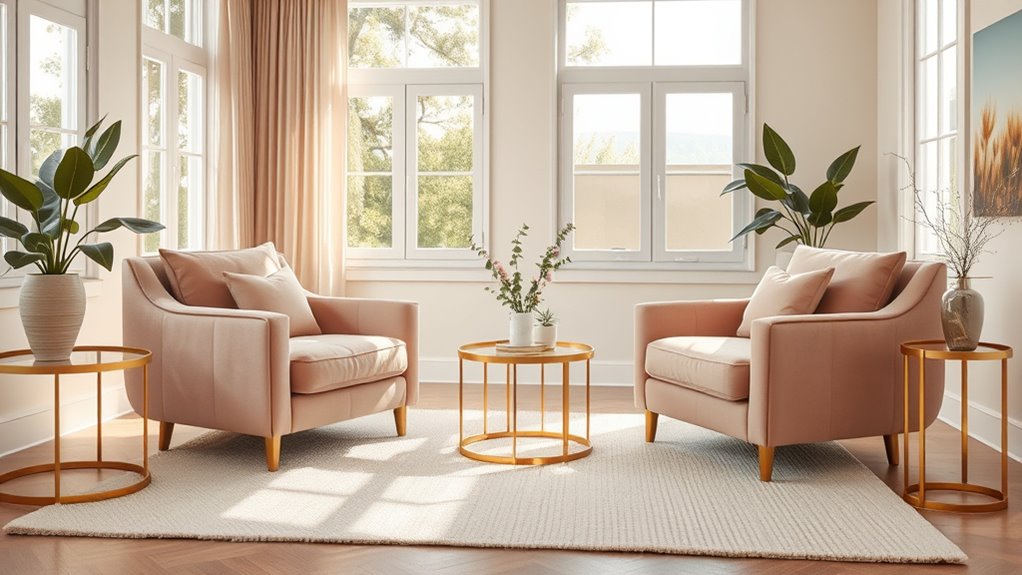
Your skin’s response to color, your emotional reactions, and your subconscious preferences all tie into these psychological associations. If you’re drawn to earthy tones like browns and greens, you may have a grounded personality that values nature and simplicity. Bright yellows might indicate an optimistic, cheerful outlook, while darker shades like black or navy can suggest sophistication or introspection. Your environment, background, and personal experiences shape these preferences, making your palette a mirror of your personality. When you select colors for your living space, you’re not just decorating—you’re expressing who you are. If you tend to favor soft pastels, you might be gentle and nurturing. Choosing bold, contrasting colors could reflect confidence and a desire to stand out.
It’s also important to think about how cultural influences have shaped your perceptions of color. For example, in Western societies, red often signifies love or urgency, but in China, it symbolizes luck and celebration. These associations can unconsciously guide your preferences or how you feel about certain shades. By understanding your cultural background, you can better interpret your choices and even intentionally select colors that foster the moods or messages you want to convey in your home. Your personality and cultural influences intertwine to create a unique color palette that’s all your own. Recognizing the psychological associations behind your preferences allows you to curate a space that not only looks good but also feels right for you—an authentic reflection of your inner self. Additionally, being aware of personal traits and cultural influences can help you design a home environment that truly resonates with your identity.
Frequently Asked Questions
How Do Cultural Backgrounds Influence Color Preferences?
Your cultural background shapes your color preferences through cultural symbolism and regional color trends. You may be drawn to specific colors that hold cultural meaning, like red for luck or white for purity. These influences guide your choices, making your home reflect your heritage. Understanding this connection helps you create a space that feels authentic and meaningful, blending personal taste with cultural significance.
Can Color Choices Affect Mood Beyond Personality Traits?
Imagine you’re in a 1920s speakeasy—colors can definitely influence your mood beyond personality traits. Through color therapy, certain shades evoke emotional responses—calming blues reduce stress, while vibrant reds energize you. Your home palette impacts how you feel daily, guiding your mood and creating atmosphere. So, your color choices aren’t just aesthetic; they actively shape your emotional state, making your environment a powerful tool for well-being.
Are There Specific Colors Linked to Certain Personality Disorders?
No, certain colors aren’t directly linked to specific personality disorders. However, in color therapy and symbolism, some hues are associated with emotional states—like blue for calm or red for energy—that might resonate with underlying issues. You might find that your color preferences reflect your mood or mental health, but they shouldn’t be used to diagnose or label personality disorders. Instead, they offer insight into your emotional world.
How Do Age and Life Stages Impact Color Preferences?
Age and life stages influence your color preferences, with age-related preferences shifting as you grow. Younger individuals often favor vibrant hues, while older adults tend to prefer calmer, muted tones. Life stage differences shape your style choices, reflecting evolving tastes and needs. You might seek energizing colors in youth and comforting shades later. Embracing these changes helps create a space that resonates with your current chapter, fostering comfort and connection.
What Role Does Gender Play in Color Psychology?
Gender influences your color preferences through established color associations, shaping how you respond to different hues. For example, societal norms often link blue with masculinity and pink with femininity, affecting your choices unconsciously. These color associations can impact your emotions and perceptions, guiding you to favor certain colors over others. Recognizing this can help you make more intentional decisions about your home palette, reflecting your personality beyond stereotypes.
Conclusion
Your color choices reveal more than you realize—they reflect your personality and mood. While some studies suggest colors can influence feelings, it’s not a fixed rule. Trust your instincts and choose hues that make you feel comfortable and happy. Ultimately, your home palette is a personal expression, so embrace what resonates with you. After all, your space should mirror who you are, not just adhere to color theories.