

To plan a home around quiet recovery time, focus on creating a balanced layout with Feng Shui principles that promote positive energy flow. Keep bedrooms away from noisy areas, add soundproofing like thick curtains or acoustic panels, and use natural light to foster calm. Organize your space to reduce clutter and physical disruptions. Incorporating quiet zones and strategic furniture placement helps minimize noise and stress. Want to create your peaceful sanctuary? Keep exploring for more tips.

Get decor and gifts delivered free with Prime
- Fast, free delivery on millions of items
- Prime Video, Amazon Music and more included
- Member-only deals all year
Key Takeaways
- Designate quiet zones and position bedrooms away from noisy areas to promote restful recovery.
- Use soundproofing materials like thick curtains, rugs, and acoustic panels to minimize external and internal noise.
- Arrange furniture to optimize positive energy flow and reduce stress, following feng shui principles.
- Keep recovery spaces clutter-free and organized to create a calm, secure environment.
- Incorporate natural light and soft furnishings to enhance tranquility and promote relaxation.
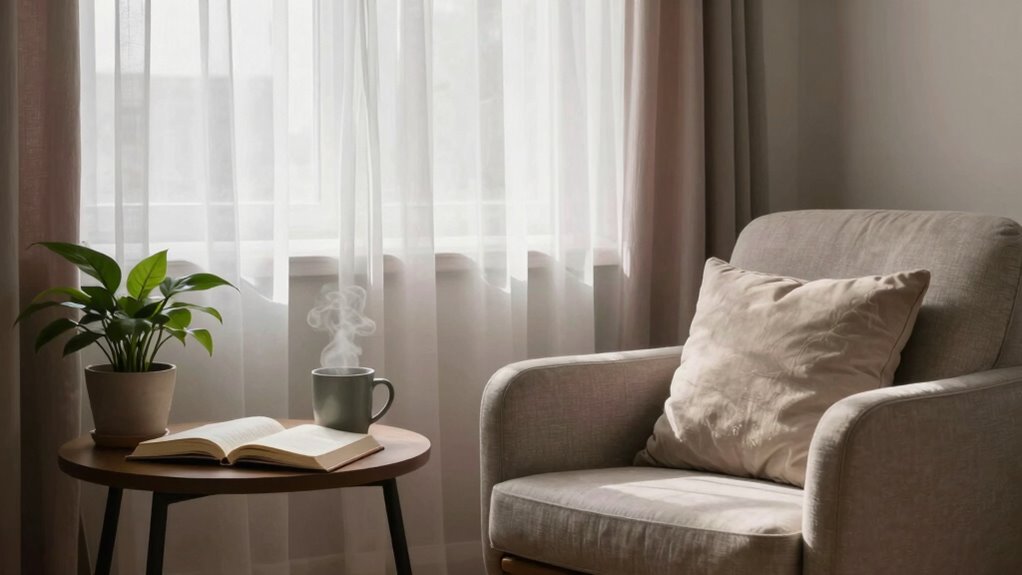
Creating a home that supports quiet recovery time requires thoughtful planning and intentional design. You want your space to foster calm and help you recharge, so paying attention to how your home is arranged is essential. One effective way to do this is by applying feng shui principles, which focus on creating harmony and balance within your environment. By positioning furniture thoughtfully and choosing calming colors, you can encourage the flow of positive energy and reduce stress. For example, keeping your bed away from the door and clutter-free promotes a sense of security and tranquility, making it easier to relax and recover. Incorporate natural light and avoid sharp angles or overly busy decor, which can disrupt your peace. Additionally, understanding soundproofing techniques can further enhance your home’s serenity by minimizing disruptive noises. Alongside feng shui principles, implementing noise reduction strategies is key to designing a restful home. Think about where noise enters your space and how it travels through your rooms. Installing soundproofing materials like thick curtains, rugs, or acoustic panels can dramatically dampen unwanted sounds. If external noise is a concern, consider double-glazed windows or adding outdoor greenery to act as a buffer. Inside your home, create designated quiet zones where interruptions are minimized, especially near bedrooms or places where you practice meditation or relaxation. Use soft furnishings and materials that absorb sound, and opt for closed doors in noisy areas to contain sound within specific spaces. You also need to think about the layout to maximize silence and privacy. Place bedrooms away from noisy areas like the street or living room, and consider using hallways or physical barriers to separate these spaces. Strategically positioning your furniture can also help absorb sound, so avoid placing noisy appliances or electronics near your recovery zones. When designing your home, consider the flow of energy and sound—aim for spaces that feel secluded and cocoon-like, where you can fully unwind without intrusion. This might mean adding a small buffer zone like a vestibule or entryway that helps block out noise from the outside. Additionally, incorporating soundproofing materials into your home’s structure can significantly enhance the overall quietness and comfort. Regularly updating and maintaining these soundproofing methods can ensure they remain effective over time. To further improve tranquility, it’s beneficial to consider room acoustics and how sound travels within your space, which can make a noticeable difference. An understanding of home acoustics can help you identify the best placements for sound absorption and reflection. Finally, maintaining a peaceful environment involves ongoing attention. Regularly check that your noise reduction strategies are effective and adjust as needed. Keep clutter to a minimum, as it can create visual and mental noise, disrupting your sense of calm. By combining feng shui principles with practical noise reduction strategies, you create a sanctuary that nurtures your need for quiet recovery time, helping you feel restored and ready to face everyday challenges.
As an affiliate, we earn on qualifying purchases.
Frequently Asked Questions
How Can I Soundproof My Home Effectively?
To soundproof your home effectively, start with soundproofing techniques like adding mass to walls with drywall or using acoustic panels. Seal gaps around doors and windows with weatherstripping or caulk to block noise leaks. Incorporate noise-canceling devices like white noise machines or earplugs for extra quiet. These steps help reduce noise transmission, creating a peaceful environment perfect for recovery and relaxation.
What Are Quiet Activities Suitable for Recovery Periods?
Think of your recovery time as a gentle lullaby for your mind. During these moments, you can engage in quiet activities like mindfulness exercises, which help center your thoughts, or explore creative hobbies such as drawing or knitting. These activities nurture your well-being without overwhelming your senses, creating a peaceful rhythm that supports healing and relaxation, allowing your body and mind to recharge in harmony.
How Should I Schedule Household Chores Around Recovery Time?
You should schedule household chores around your recovery time by prioritizing essential tasks and integrating meal planning into your routine. Rest scheduling is vital, so set aside specific periods for relaxation, ensuring chores don’t interfere with your recovery. Break chores into manageable segments, and tackle lighter tasks when you feel more energetic. This way, you maintain a clean home while respecting your need for quiet, restorative periods.
What Furniture Choices Support a Calming Environment?
Choose furniture made from natural materials like wood or bamboo to create a calming atmosphere. Opt for pieces with simple, clean lines that promote relaxation. Add decorative accents such as soft textiles, plants, and subtle lighting to enhance tranquility. Avoid clutter and noisy or overly ornate furniture. By selecting natural, soothing furniture and thoughtful decorative touches, you craft a peaceful environment that supports your quiet recovery time.
How Can I Reduce Noise From Neighbors During Recovery?
Imagine your home as a fortress, shielding you from noisy neighbors’ chatter and outside commotion. To reduce neighborhood noise, invest in exterior soundproofing—think thick walls, weatherstripping, and double-glazed windows that act as barriers. Use heavy curtains and rugs inside to absorb sounds. By fortifying your sanctuary, you create a peaceful haven where recovery feels calm and uninterrupted, like a quiet lake untouched by the ripples of neighborhood noise.
Conclusion
So, ironically, the busiest homes often have the quietest recovery zones tucked away. By designing around your need for peace, you might just end up with a house that’s lively when you want it and serene when you don’t. It’s almost like creating a sanctuary that works for everyone—except, of course, when the chaos sneaks in. But hey, at least you’ll have a cozy corner to hide in when the noise gets too much!
Halloween Picks
halloween
As an affiliate, we earn on qualifying purchases.