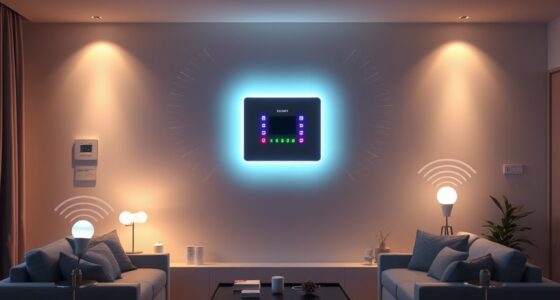
The Matter protocol is quickly gaining adoption, supporting a growing number of devices from major brands like Apple, Google, Amazon, and others. It simplifies your smart home setup by ensuring devices work together seamlessly, improving security and reliability. As more products adopt the standard, you’ll enjoy easier automation and more choices for your home. Stay tuned to discover how this evolving ecosystem will further enhance your smart home experience and what new features are on the horizon.
Key Takeaways
- Growing adoption among major brands like Apple, Google, Amazon, and Samsung broadens device support for Matter.
- Current devices include smart locks, lights, thermostats, and security cameras compatible with the protocol.
- Future outlook predicts increased device interoperability, smarter automation, and expanded ecosystem integration.
- Standardization reduces compatibility issues, encouraging more manufacturers to adopt Matter for seamless smart home experiences.
- Updates will enhance device security, privacy, and control options, making Matter-compatible homes more secure and user-friendly.
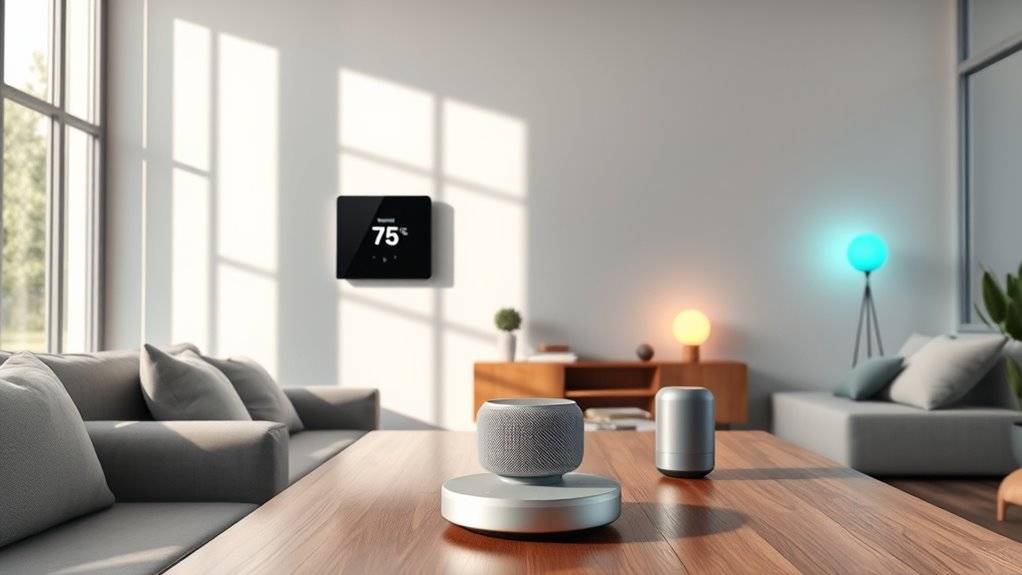
The adoption of the Matter protocol marks a significant step forward in creating a unified smart home ecosystem. As you look to upgrade or expand your smart home devices, this protocol aims to make your experience more seamless, reliable, and secure. One of the key benefits you’ll notice is improved device interoperability. Previously, you might have faced frustration trying to get different brands and products to work together smoothly. With Matter, devices from various manufacturers can communicate and coordinate more effortlessly, reducing the compatibility headaches that often come with smart home setups. This means your smart lights, locks, thermostats, and cameras are more likely to work together without the need for complex integrations or additional hubs.
Smart home security stands to benefit greatly from this unified approach. When devices can reliably share information and respond to commands across brands, your security system becomes more robust and responsive. For example, if you have a door lock from one brand and a security camera from another, Matter helps guarantee they can work in tandem. If a door is unlocked, your security system can instantly notify you, record footage, or trigger an alarm, all without you needing to manually sync multiple apps or devices. The protocol’s emphasis on secure, encrypted communication also reassures you that your data and privacy are protected, which is critical given the sensitive nature of security devices.
You’ll soon see a wider range of devices supporting Matter, making it easier to build a cohesive smart home. Devices that previously required proprietary apps or complicated setups now promise smoother integration, saving you time and reducing frustration. As more manufacturers adopt the protocol, the ecosystem will continue to expand, giving you more choices and future-proofing your investments. The protocol’s emphasis on standardization means manufacturers don’t need to develop unique solutions for each platform, which can lead to lower costs and more competitive pricing for consumers like you.
Looking ahead, the future of Matter promises even greater device interoperability and smarter automation. You can expect updates that make your devices more intuitive and responsive, and new features that enhance security and privacy. As the ecosystem matures, you’ll be able to control a wider variety of smart home products from a single app or voice assistant, simplifying daily routines and guaranteeing everything works together seamlessly. In the end, adopting the Matter protocol means you’ll enjoy a smarter, safer, and more integrated home environment—one that adapts effortlessly to your lifestyle.

ULTRALOQ Bolt SE Smart Lock, Built-in Wi-Fi, Matter Over Thread, Works with Apple Home, Alexa, Google, 7-in-1 Keyless Entry Deadbolt with Fingerprint ID, App, Keypad, Remote Control, 18 Months Battery
𝟕-𝐢𝐧-𝟏 𝐊𝐞𝐲𝐥𝐞𝐬𝐬 𝐄𝐧𝐭𝐫𝐲 𝐃𝐨𝐨𝐫 𝐋𝐨𝐜𝐤: Fingerprint ID(stores up to 50 fingerprints) + Passcodes(up to 50) + Smartphone App(compatible…
As an affiliate, we earn on qualifying purchases.
As an affiliate, we earn on qualifying purchases.
Frequently Asked Questions
How Secure Is the Matter Protocol for Smart Home Devices?
The Matter protocol is quite secure for your smart home devices, using end-to-end encryption to protect your data privacy. This means your information stays private and is only accessible by authorized devices, reducing the risk of hacking. While no system is completely invulnerable, Matter’s security measures are designed to keep your smart home safe, giving you peace of mind that your data remains private and secure.
Will Existing Devices Require Upgrades to Support Matter?
You’ll likely need to update your device firmware for existing devices to support Matter, as firmware fixes are vital for compatibility. Hardware compatibility also plays a fundamental role; some devices might require hardware upgrades if they lack the necessary components. While many devices will get software updates, older hardware may not fully support Matter, meaning upgrades could be necessary to enjoy the seamless, secure smart home experience Matter promises.
How Does Matter Impact Device Interoperability Across Brands?
Matter greatly improves device interoperability across brands by promoting cross-brand compatibility through a unified standard. You’ll find it easier to connect and control devices from different manufacturers without dealing with multiple apps or protocols. However, standardization challenges still exist, as not all devices fully support Matter yet. Upgrading devices may be necessary, but overall, it simplifies smart home integration and enhances your user experience by making devices work seamlessly together.
What Are the Privacy Implications of Adopting Matter?
You might be surprised to learn that 78% of consumers worry about privacy concerns with smart devices. Adopting Matter enhances privacy by using robust data encryption, which protects your data during transmission. However, privacy concerns remain, especially regarding data collection and device security. While Matter aims to improve interoperability, it’s essential to stay informed about how your data is protected to guarantee your privacy stays intact.
When Will Mainstream Consumer Products Fully Support Matter?
You can expect mainstream consumer products to fully support Matter within the next 1-2 years. As device compatibility improves and product integration accelerates, more smart home devices will seamlessly work together. Major brands are already rolling out updates, and industry standards are solidifying. This timeline will make your smart home setup more reliable, easier to manage, and more compatible across different brands and ecosystems.
Matter supported smart thermostats
As an affiliate, we earn on qualifying purchases.
As an affiliate, we earn on qualifying purchases.
Conclusion
As you embrace the Matter protocol, you’ll find smarter, more seamless device integration becoming your new normal. The current adoption pace is promising, and future devices will only get better — like having your own personal JARVIS before Iron Man made it cool. Stay ahead of the curve, keep an eye on evolving standards, and enjoy the convenience of a truly interconnected home that’s ready for the future, today.
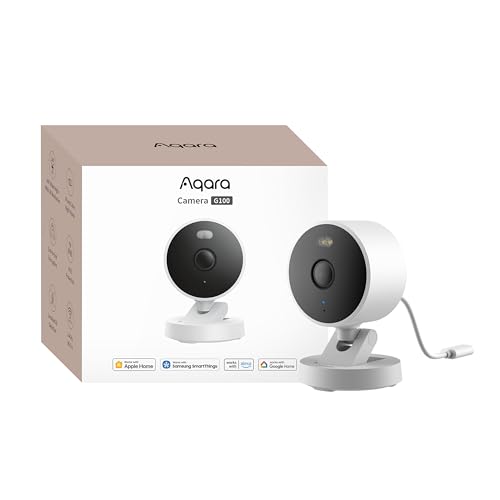
Aqara G100, 2K Indoor/Outdoor Security Camera, HomeKit Secure Video, 2-Way Audio, Spotlight Color/IR Night Vision, AI Detection, 140° FOV, Wi-Fi 6, Supports HomeKit, Alexa, Google and IFTTT, White
2K Clarity Day and Night: The G100 Wi-Fi Camera films in 2304×1296 (3MP) resolution with a 140°FOV and…
As an affiliate, we earn on qualifying purchases.
As an affiliate, we earn on qualifying purchases.

Linkind Matter Smart Plug, Smart Home Smart Outlet Timer, Work with Apple Home, Siri, Alexa, Google, SmartThings, 15A/1800W, APP Remote Control & Schedule, ETL & FCC Certified, 2.4G WiFi Only, 6 Pack
【Flexible Scheduling & Timer】Effortlessly reduce energy usage with automatic device shutdown after a set time. For example Chrismas…
As an affiliate, we earn on qualifying purchases.
As an affiliate, we earn on qualifying purchases.