
To support better breathing, focus on upgrading your bedroom’s air quality and humidity levels. Use an air purifier with HEPA filters to remove dust, pet dander, and pollutants that can worsen allergies and asthma. Maintain humidity between 40-60% with a humidifier or dehumidifier to prevent mold growth and keep your nasal passages moist. Regularly ventilate your space by opening windows and monitoring air quality. Keep these small changes in mind for healthier, easier breathing every night. If you keep going, you’ll discover even more ways to improve your sleep environment.
Key Takeaways
- Incorporate an air purifier with HEPA filters to reduce indoor allergens and pollutants.
- Maintain bedroom humidity levels between 40% and 60% using humidifiers or dehumidifiers.
- Ensure proper ventilation by regularly opening windows or using air exchange systems.
- Use sensors to monitor air quality and adjust purification and ventilation accordingly.
- Keep the bedroom clean and free of dust, pet dander, and mold to promote healthier breathing.
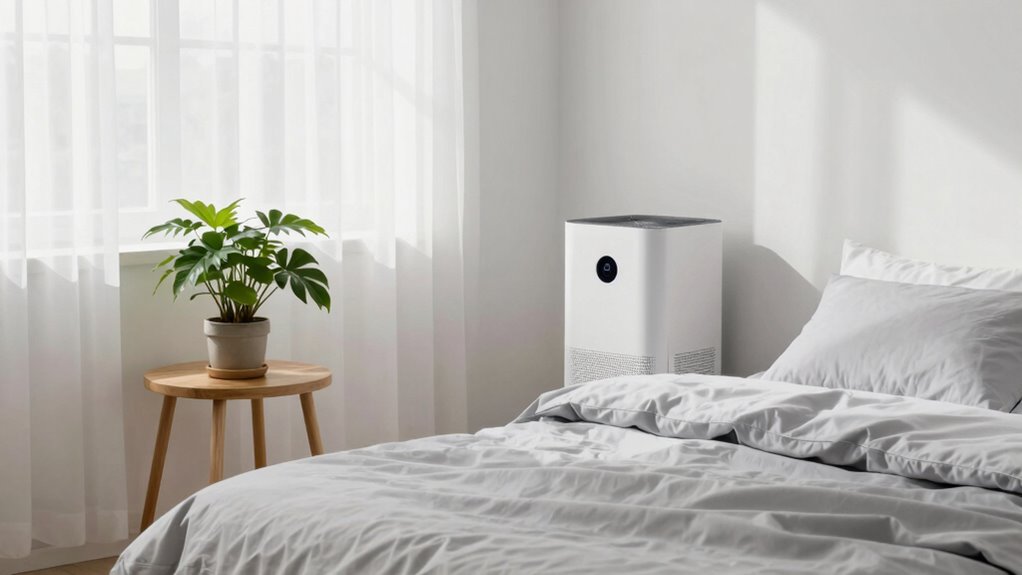
Have you ever wondered how your bedroom environment affects your breathing? It’s easy to overlook the impact of your surroundings when you’re focusing on rest, but the air you breathe in your bedroom plays an essential role in your overall respiratory health. Small adjustments, like improving air purification and humidity control, can make a noticeable difference in how well you breathe during sleep and even throughout the day.
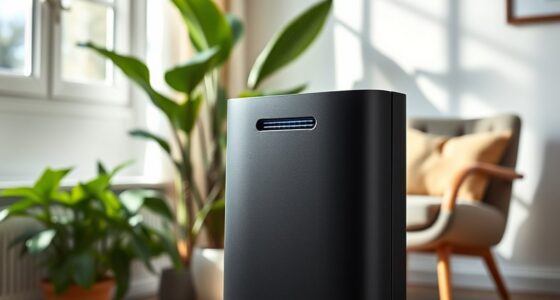
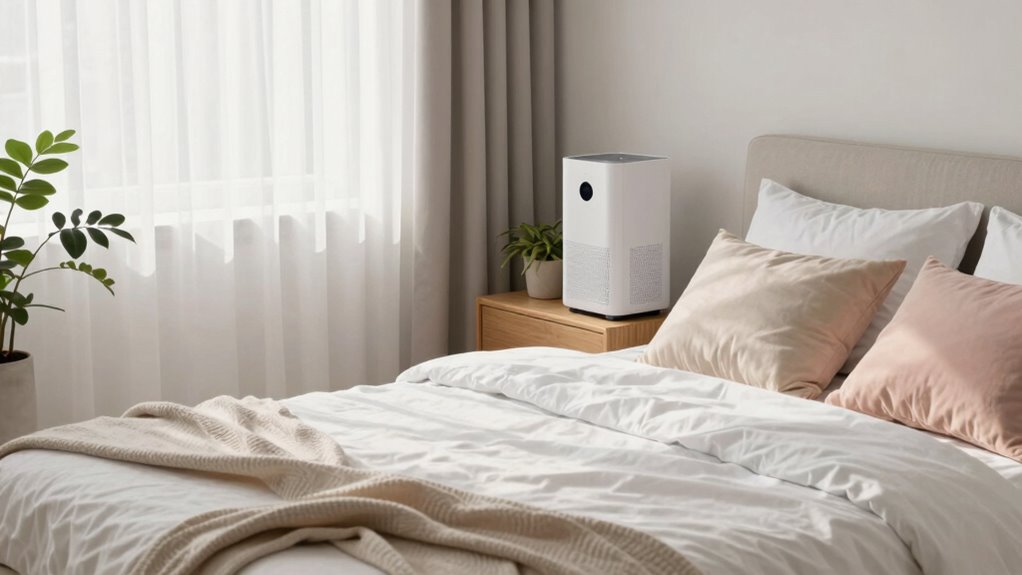
Air purification is a critical yet often neglected aspect of creating a healthier breathing space. Over time, dust, pet dander, mold spores, and airborne pollutants can accumulate in your bedroom, aggravating allergies and asthma. Investing in a good air purifier can markedly reduce these irritants by filtering out harmful particles before they reach your lungs. Look for models with HEPA filters, which are designed to trap even microscopic allergens. By maintaining cleaner air, you’ll breathe easier, wake up feeling more refreshed, and reduce the chances of nighttime coughing or congestion. An air purifier isn’t just a luxury—it’s an indispensable tool for supporting better respiratory health, especially if you live in an urban environment or have allergies.
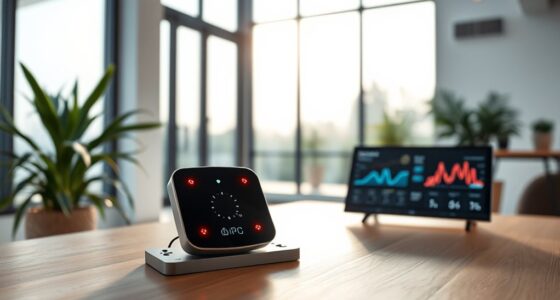
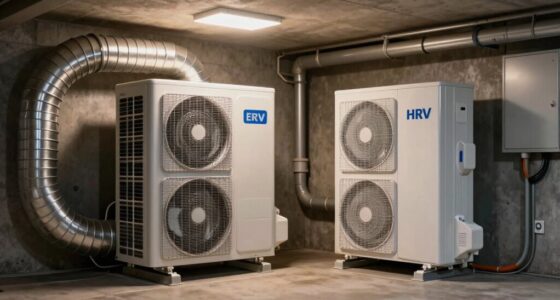
Alongside air purification, controlling humidity levels is equally important. Too much humidity creates a damp environment that fosters mold growth and dust mites, both of which can worsen breathing problems. Conversely, low humidity can dry out your nasal passages and throat, leading to irritation and discomfort. The goal is to keep your bedroom humidity between 40% and 60%. Using a humidifier or dehumidifier can help you maintain this balance effortlessly. When humidity is properly regulated, your nasal passages stay moist and better equipped to filter out airborne particles naturally. This not only improves breathing comfort but also reduces the likelihood of respiratory infections and other issues caused by dry or overly moist air. Maintaining optimal indoor air quality is essential for long-term respiratory health. Regularly monitoring your environment with air quality sensors can help you make informed adjustments to sustain this balance. Additionally, proper ventilation plays a key role in reducing indoor pollutants and maintaining overall air freshness, further supporting your respiratory wellness. Incorporating air exchange strategies, like opening windows periodically, can also help refresh indoor air and dilute indoor pollutants.
Implementing these simple yet effective upgrades—air purification and humidity control—can transform your bedroom into a sanctuary for better breathing. These adjustments don’t require major renovations; they’re practical steps that fit into your daily routine. Creating an environment with proper air quality supports clear, clean air and can significantly enhance sleep quality, energy levels, and overall respiratory wellness. When your environment supports clear, clean air, you’ll notice improvements in sleep quality, energy levels, and overall respiratory wellness. It’s a small investment with a big payoff, giving you the comfort and health benefits you deserve every night.

LEVOIT Air Purifier for Home Allergies and Pets Hair Smokers in Bedroom, H13 True HEPA Filter, 24db Filtration System Cleaner Odor Eliminators, Remove 99.97% Dust Smoke Mold Pollen, Core 300, White
- Certified for Performance and Efficiency: AHAM Verifide certified for reliability
- Powerful Air Cleaning: 56W motor with 143 CFM CADR
- Effective for Large Spaces: Covers up to 1073 ft²
As an affiliate, we earn on qualifying purchases.
As an affiliate, we earn on qualifying purchases.
Frequently Asked Questions
How Often Should I Replace My Pillow for Optimal Breathing?
You should replace your pillow every 1 to 2 years for ideal breathing. Over time, pillow firmness decreases, and allergens build up, which can hinder your sleep. Your sleep position also influences this; side sleepers often need firmer pillows, while back sleepers prefer softer ones. Regular replacement guarantees your pillow maintains proper support, keeps allergens at bay, and supports better breathing, especially if you change your sleep position or notice discomfort.
Do Certain Bedding Materials Improve Air Quality?
Certain bedding materials, like natural cotton and hypoallergenic fabrics, can considerably improve air quality in your bedroom. These materials promote allergy prevention by reducing dust mites and mold buildup, supporting bedding hygiene. Avoid synthetic or overly plush fabrics that trap allergens and moisture. Choosing breathable, easy-to-clean bedding helps maintain fresh air, enhances airflow, and creates a healthier sleeping environment for better breathing.
Can Plants in the Bedroom Help With Breathing Issues?
Yes, plants in your bedroom act like tiny air purifiers, filtering indoor air and releasing fresh oxygen. They can help ease breathing issues by reducing pollutants and increasing humidity. Just remember, regular plant maintenance keeps them healthy and effective. Imagine them as quiet guardians, working tirelessly to keep your indoor air clean and breathable, making your sleep space a more welcoming, breathing-friendly sanctuary.
What’s the Best Way to Reduce Dust Mites in the Bedroom?
To reduce dust mites in your bedroom, focus on bedding allergen control by washing sheets weekly in hot water and using dust-mite-proof covers. Regularly vacuum with a HEPA filter and dust surfaces to prevent dust mite buildup. Keep humidity levels below 50% to inhibit mite growth, and minimize clutter that traps dust. These dust mite prevention strategies create a cleaner environment, helping you breathe easier and improve overall sleep quality.
Are Air Purifiers Effective for Better Sleep and Breathing?
Air purifiers are quite effective for better sleep and breathing, especially if you maintain them properly. Regular air purifier maintenance, like replacing filters, keeps them working efficiently. Though some models can be noisy, many now feature quiet modes to minimize disruptions. Choosing a purifier with adjustable noise levels guarantees you sleep peacefully. When maintained well, an air purifier helps reduce allergens, dust, and pollutants, promoting healthier, deeper sleep.
Conclusion
Now that you’ve upgraded your bedroom, you can breathe easier, sleep better, and wake refreshed. You’ve improved your air quality, reduced allergens, and created a healthier environment. You’ve taken the steps to enhance your well-being, to promote restful nights, and to support better breathing. Every small change adds up to a big difference. So, embrace your upgraded space, enjoy the fresh air, and experience the benefits of a better, healthier sleep environment every night.