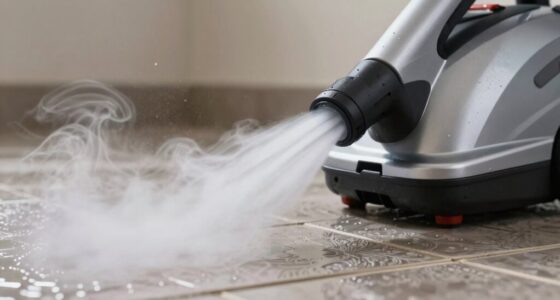
To plan better cleaning paths through your home, assess your layout to identify logical routes and visualize it as a map. Start at one area and move systematically to avoid backtracking. Keep your cleaning tools organized and within reach, using labeled bins if needed. Focus on high-traffic zones and schedule deeper cleans for less-used spaces. If you keep refining your strategy, you’ll find cleaning becomes quicker and less stressful—there’s much more to discover on how to improve your routine.

Get decor and gifts delivered free — and shop member deals
- Fast, free delivery on millions of items
- Access to Prime Big Deal Days deals on October 6–7
- Prime Video, Amazon Music and more included
Key Takeaways
- Visualize your home layout as a map to identify the most efficient cleaning routes.
- Plan a logical sequence starting from high surfaces to floors to prevent re-cleaning.
- Organize cleaning tools nearby to streamline movement between tasks.
- Prioritize high-traffic areas for frequent cleaning to optimize your routine.
- Regularly update your strategies based on layout changes or evolving cleaning needs.
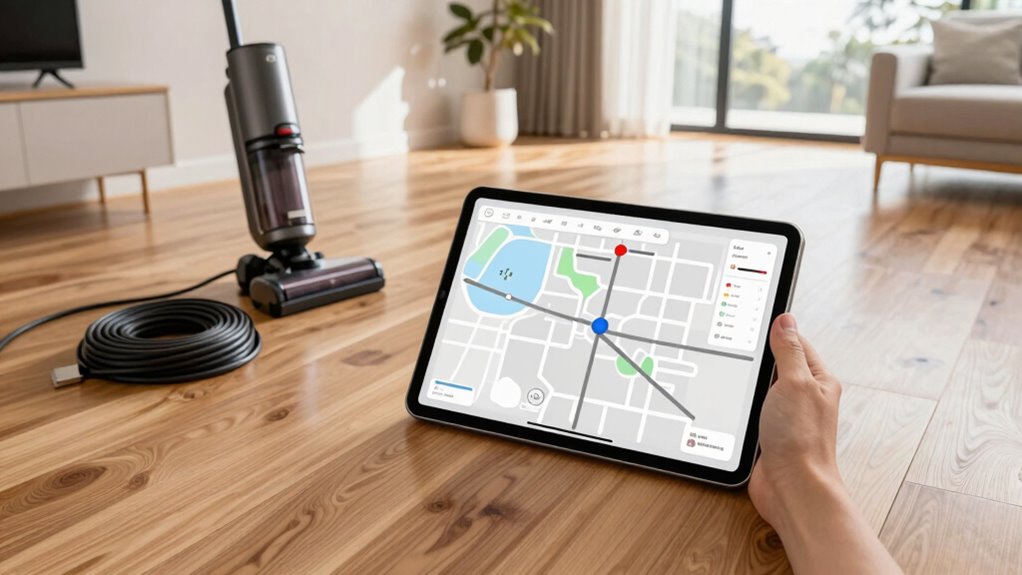
Ever wondered how to make your cleaning routine more efficient and less stressful? The key often lies in planning your cleaning paths carefully, so you spend less time backtracking or missing spots. To do this effectively, start by evaluating your home’s layout and identifying the most logical route through each space. Think of your home as a map—plan your path from one room to the next, moving in a logical sequence that minimizes unnecessary movement. This helps you stay focused and reduces the mental fatigue that can come with scattered cleaning efforts.
Having the right cleaning equipment within arm’s reach is essential for a smooth process. Make sure your tools—vacuum, mop, dusters, cleaning cloths—are organized in a way that allows quick access. Using storage solutions like portable caddies or labeled bins ensures your equipment is easy to grab and put away, saving you time and effort. When your equipment is well-organized, you’re less likely to waste time searching for supplies, and it encourages a more methodical, systematic approach to cleaning. Keep frequently used items in accessible spots, and store less-used tools separately to avoid clutter.
Next, consider the sequence in which you tackle different areas. Start with dusting higher surfaces like shelves and ceiling fans before moving on to floors. This prevents debris from settling onto cleaned floors and keeps your work clean and efficient. When you move to vacuum or mop, follow the same logical route, working room by room or section by section. This avoids crossing back and forth, which can be frustrating and time-consuming. Incorporating cleaning paths that are well planned can greatly improve your overall efficiency. Additionally, understanding your home’s layout can help you identify the most effective routes and avoid unnecessary detours.
Another helpful tip is to plan your cleaning sessions based on your home’s traffic patterns. For example, clean high-traffic areas more often since they accumulate dirt faster. For less-used spaces, a deeper clean can be scheduled less frequently. This targeted approach helps you prioritize, so you’re not wasting time on areas that don’t need constant attention. Additionally, understanding your home’s traffic patterns can help you develop a more strategic cleaning schedule that maximizes efficiency. Regularly reassessing your cleaning strategy and adjusting your cleaning habits ensures your efforts remain effective and efficient.
Finally, update your storage solutions periodically to adapt to your changing needs. As you find what works best, refine your setup to keep everything accessible and organized. When your cleaning equipment is stored logically and your paths are well-planned, cleaning becomes less of a chore and more of a straightforward task. Over time, this strategic approach will save you time, reduce stress, and leave your home cleaner with less effort.
vacuum cleaner with adjustable height
As an affiliate, we earn on qualifying purchases.
As an affiliate, we earn on qualifying purchases.
Frequently Asked Questions
How Often Should I Update My Cleaning Plan?
You should update your cleaning plan at least every three to six months to keep your cleaning schedule effective. Regular updates help you adjust for seasonal changes or new maintenance routines, ensuring nothing gets overlooked. Keep track of areas that need more attention or have become messier. By staying proactive, you maintain a clean, organized home and make cleaning more efficient, saving you time and effort over the long run.
What Tools Help Visualize Cleaning Routes Effectively?
You might find that visual mapping tools, like digital floor plans or apps, help you see your space clearly. They support route optimization by showing the most efficient cleaning paths, reducing backtracking. With these tools, you can plan your routes more effectively, saving time and effort. Using visual mapping makes it easier to identify high-traffic areas and create a streamlined cleaning process, ensuring thorough coverage every time.
How Do I Handle Unexpected Cleaning Tasks?
When unexpected spills or emergency cleanups occur, stay calm and act quickly. Keep essential cleaning supplies nearby to handle these situations promptly. Adjust your cleaning path as needed, prioritizing the mess to prevent further damage or accidents. Incorporate flexible routes into your plan so you’re prepared for sudden tasks. This way, you maintain a clean home efficiently, even when surprises pop up along your cleaning journey.
Can Cleaning Paths Change With Home Rearrangements?
Yes, cleaning paths can change with home rearrangements. When you shift furniture or alter your space, you’ll need to reassess traffic flow and identify new best routes. By adjusting your cleaning paths to accommodate the new furniture arrangement, you’ll guarantee efficient cleaning. Consider the most used areas and high-traffic zones, and plan your routes accordingly. Regularly updating your cleaning paths keeps your home tidy and makes your cleaning routine more effective.
What’s the Best Way to Train Others on the Plan?
You should focus on team collaboration and effective training techniques to teach others your cleaning plan. Start by demonstrating the cleaning path clearly, then have team members practice while giving feedback. Encourage questions and discussions to guarantee understanding. Use visual aids or checklists to reinforce steps. Regularly review and update the plan, fostering open communication so everyone stays aligned and confident in executing efficient cleaning paths.
Conclusion
Think of your cleaning path like a river carving its way through the landscape. When you plan each turn and flow carefully, your cleaning journey becomes smooth and efficient, winding naturally from room to room. With a clear route, you avoid backtracking and wasted effort, just like a river avoids unnecessary twists. Embrace this flow, and your cleaning process will become a gentle, unstoppable current—making your home sparkle with ease and grace.
Halloween Picks
halloween
As an affiliate, we earn on qualifying purchases.