
Before buying a patient lift, remember that safety and proper technique come first. Always assess the patient’s condition and choose the right transfer method. Use correct manual handling practices, keep the environment clear, and double-check that the equipment is in good working order. Communicate clearly with the patient throughout the process. Prioritizing these rules guarantees safe, efficient transfers. Keep going to discover essential tips that will help you master safe patient handling.
Key Takeaways
- Assess patient’s mobility and transfer needs to select the appropriate lift type and accessories.
- Ensure proper manual handling techniques and safety protocols are followed during transfers.
- Confirm all equipment components are in good working condition and properly secured.
- Prepare the environment by clearing obstacles and locking wheels to prevent accidents.
- Communicate clearly with the patient throughout the transfer to ensure safety and cooperation.

Before you invest in a patient lift, learn this transfer rule.
Always prioritize proper manual handling and safety protocols for safe, efficient patient transfers.
Before you buy a patient lift, it’s imperative to understand one key transfer rule that can make all the difference in safety and efficiency. This rule is straightforward but essential: always prioritize proper manual handling techniques and strictly follow safety protocols during transfers. This means understanding how to lift, move, and position patients without causing strain or injury, which is a core consideration. When you handle patients, you’re responsible for minimizing risks of injury to both the patient and yourself. Using a patient lift correctly isn’t just about equipment; it’s about applying the right transfer practices every time.
First, you should assess the patient’s condition and mobility level thoroughly before attempting to lift. This step helps determine the most suitable transfer method and guarantees you’re not rushing into a move that could compromise safety. Always engage with the patient, communicate clearly, and explain what you’re about to do. This not only reassures them but also helps you gauge their cooperation and comfort level. When you’re aware of their needs, you can plan the transfer accordingly, reducing the risk of sudden movements or falls. Additionally, understanding how to manual handling techniques properly can prevent injuries and improve transfer outcomes. Incorporating proper lifting posture can further enhance safety and efficiency during transfers. Remember, using appropriate equipment designed for specific patient needs can also significantly reduce strain and improve overall safety.
Manual handling is a core consideration here. It involves understanding how to lift, move, and position patients without causing strain or injury. Proper manual handling techniques include keeping your back straight, bending at your hips and knees, and using your leg muscles rather than your back. These practices protect you from musculoskeletal injuries, which are common when handling heavier or less stable patients. Remember, never attempt a transfer that exceeds your physical capability or the weight limits of the equipment.
Safety protocols are equally critical. Before starting the transfer, make sure the patient lift and all its components are in perfect working order. Check that slings are properly attached and secure, and ensure the environment is clear of obstacles. Always lock the lift’s wheels to prevent unintended movement. During the transfer, maintain good body mechanics—keep the patient close to your body, move slowly and steadily, and avoid sudden jerks. This approach minimizes the risk of dropping the patient or causing injury.
Finally, after completing the transfer, follow through with safety procedures: lower the patient gently into their new position, remove the lift carefully, and document the transfer if required. Incorporating equipment inspection into your routine ensures that all components are functioning correctly, further enhancing safety. Consistently applying these manual handling techniques and safety protocols not only keeps everyone safe but also guarantees the transfer process is smooth and efficient. By making these practices a habit, you lay a solid foundation for safe patient handling every time you use a lift.
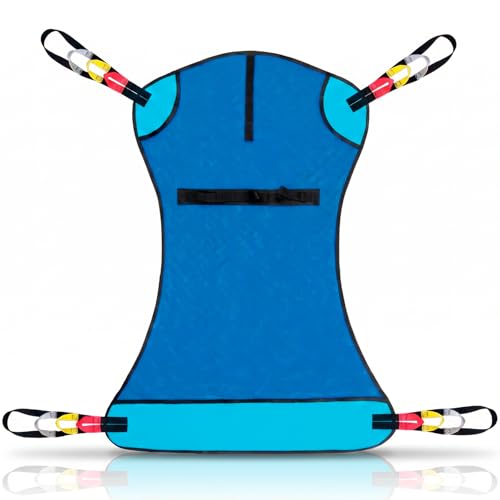
Vive Patient Lift Sling – Full Body Mesh Transfer Sling for Showering & Home Use – Hoyer Lift Pad for Elderly, Disabled, Bariatric – Patient Transfer Assist Device Blanket for Bed Positioning, Lifting
- Safe Patient Lifting and Repositioning: Facilitates secure transfers to various surfaces
- Multiple Handles and Sling Points: Includes four sling points and three handles
- Durable and Reinforced Design: Reinforced corners for added durability
As an affiliate, we earn on qualifying purchases.
As an affiliate, we earn on qualifying purchases.
Frequently Asked Questions
How Do I Determine the Right Size Patient Lift for My Needs?
To determine the right size patient lift, you need to take into account your patient’s height and weight capacity. Measure the patient accurately to ensure the lift can comfortably accommodate their height. Check the weight capacity of the lift, making sure it exceeds the patient’s weight for safety. Also, think about the space available in your setting. A properly sized lift ensures safe, efficient transfers without risking injury or discomfort.
What Safety Features Should I Look for in a Patient Lift?
You should look for safety features like emergency stop buttons, overload protection, and secure slings to prevent accidents. Make certain the lift has clear emergency protocols in case of power failure or malfunction. User training is essential—verify that staff are properly trained to operate the lift safely. Features that enhance stability and ease of use also reduce risks, creating a safer environment for both patients and caregivers.
Can a Patient Lift Be Used for Bariatric Patients?
Like a knight in shining armor, a patient lift can handle bariatric weight if it has a high enough lift capacity. Many lifts are designed specifically for bariatric patients, supporting higher weight limits safely. Always check the lift’s capacity before use, confirming it meets the needed bariatric weight requirements. Using the right lift ensures safety and comfort for both patient and caregiver, no matter the size.
How Much Maintenance Does a Patient Lift Typically Require?
A patient lift typically requires regular maintenance, especially for the lift battery, to guarantee safety and reliability. You should follow a maintenance schedule that includes inspecting the battery, lifting mechanisms, and electrical components. Charging the lift battery properly and replacing it when needed prevents breakdowns. Routine checks help catch issues early, keeping the lift functioning smoothly and extending its lifespan. Always refer to the manufacturer’s guidelines for specific maintenance intervals.
Are There Rental Options Available for Patient Lifts?
Did you know that rental options for patient lifts can save you up to 50% compared to buying? Yes, rental options are widely available, making it easier to access the equipment you need without a large upfront cost. When considering a cost comparison, rentals often include maintenance and support, which can make them a more economical and flexible choice, especially for short-term or occasional use.
Conclusion
Before you buy a patient lift, remember that understanding the transfer rule is vital. It’s not just about the device itself but how you use it safely and effectively. Think of it like a puzzle—you need all the pieces aligned for the best outcome. Trust the transfer rule as your guiding principle. When you do, you’ll guarantee safer transfers, better comfort, and peace of mind for both you and your patient.