
TL;DR
IKEA has introduced the Complexity Index, a metric designed to assess the complexity of its products. The index aims to streamline manufacturing and enhance customer satisfaction. The development is confirmed, but its full impact remains to be seen.
IKEA has introduced the Complexity Index, a new metric designed to quantify the complexity of its products, according to the company’s internal announcement made in March 2024. This development aims to improve manufacturing efficiency and customer experience by providing a standardized measure of product intricacy. The move signals a strategic effort by IKEA to better understand and manage product design and assembly processes.
The Complexity Index was officially unveiled during an internal presentation to IKEA’s product development and manufacturing teams. The index evaluates factors such as parts count, assembly steps, and design intricacy, providing a numerical score for each product. IKEA states that the index will be integrated into their product development workflow to identify areas for simplification and cost reduction.
According to IKEA officials, the index is based on a proprietary algorithm developed over the past year, with the goal of standardizing how product complexity is measured across different categories. The company claims that this will help in reducing assembly time, lowering manufacturing costs, and improving the overall customer experience by making products easier to assemble.
While the index has been confirmed internally, IKEA has not yet disclosed detailed methodology or how it will be publicly communicated or used in marketing. The company emphasizes that the tool is primarily for internal optimization but may influence future product designs and customer instructions.
Potential Impact on IKEA’s Manufacturing and Customer Experience
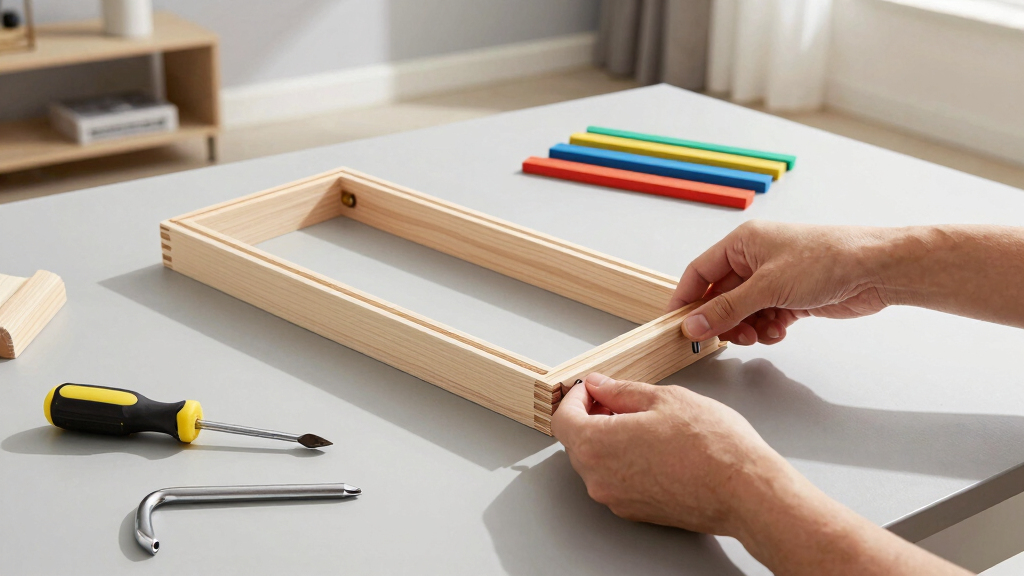
The introduction of the Complexity Index could significantly influence IKEA’s product design process, potentially leading to simpler, more customer-friendly furniture. It may also result in cost savings and efficiency improvements in manufacturing. For consumers, this could mean easier-to-assemble products and clearer instructions, enhancing overall satisfaction. However, the full impact depends on how widely and effectively the index is implemented across IKEA’s product range and supply chain.IKEA flat pack furniture assembly tools
As an affiliate, we earn on qualifying purchases.
As an affiliate, we earn on qualifying purchases.
IKEA’s Ongoing Efforts to Optimize Product Design
IKEA has historically focused on cost-effective, flat-pack furniture that balances affordability with ease of assembly. Over recent years, the company has explored various initiatives to streamline product development, including digital tools and sustainability measures. The launch of the Complexity Index represents a new step in these efforts, aiming to quantify and manage the intricacies of their product offerings. Prior to this, IKEA has faced challenges related to assembly time and customer satisfaction, prompting a focus on simplifying product design.“The Complexity Index is a strategic tool that helps us better understand and manage the intricacies of our products, ultimately aiming to improve both manufacturing efficiency and customer experience.”
— IKEA spokesperson
Details of the Index’s Methodology and Implementation
It is not yet clear how the Complexity Index is calculated, whether it will be publicly shared, or how it will influence future product lines. IKEA has not disclosed specific scoring criteria or integration timelines, and the full scope of its impact remains uncertain.Expected Rollout and Future Use of the Complexity Index
IKEA plans to pilot the Complexity Index across select product categories in the coming months, with broader implementation expected later in 2024. The company may also update its product development processes and customer instructions based on initial findings. Monitoring how the index influences product design and customer feedback will be key to understanding its effectiveness.Key Questions
What is the IKEA Complexity Index?
The IKEA Complexity Index is a new internal metric designed to quantify the complexity of its furniture products, considering factors like parts count and assembly steps.
How will the index affect IKEA products?
If successful, the index could lead to simpler, easier-to-assemble furniture, improved manufacturing efficiency, and better customer instructions.
Is the Complexity Index publicly available?
No, currently the index is an internal tool used by IKEA for product development and manufacturing optimization.
When will the index be fully implemented?
IKEA plans to pilot the index in select categories soon, with a broader rollout expected later in 2024, depending on initial results.
Could this change IKEA’s product design approach?
Yes, the index could influence future designs by emphasizing simplicity and ease of assembly, potentially shaping new product lines.
Source: hn