TL;DR
An English cottage’s distinctive design details have been incorporated into a Craftsman kitchen renovation. The project highlights a blend of historic charm and modern functionality, attracting attention from homeowners and designers.
An English cottage’s architectural details have been successfully incorporated into a Craftsman-style kitchen during a recent renovation, showcasing a blend of historic charm and modern design. The project, completed in late 2023, highlights how traditional elements can be adapted to contemporary spaces, drawing interest from homeowners and design professionals alike.
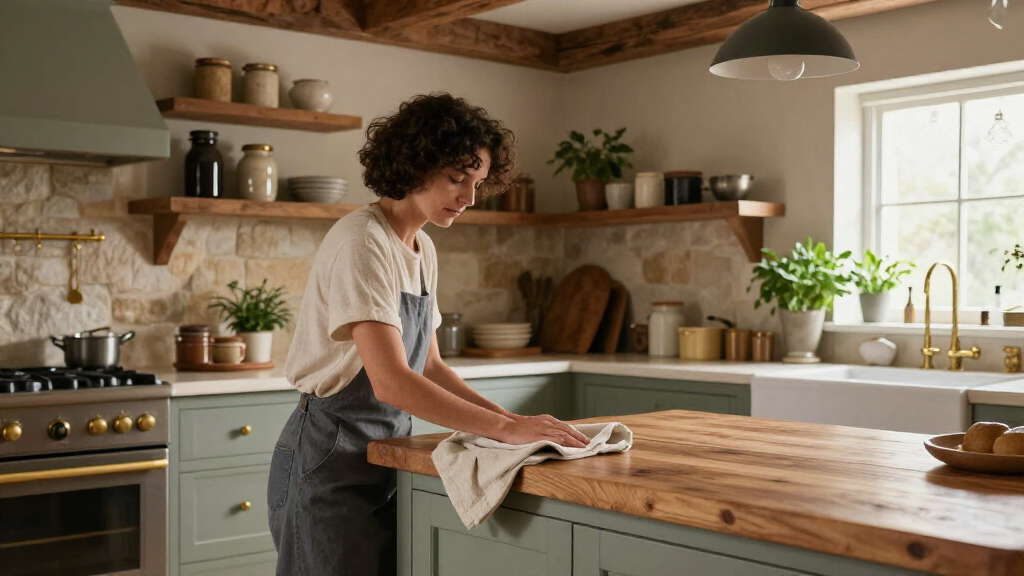
The renovation was carried out by a local design firm specializing in historic and Craftsman styles. Key features include the use of English cottage-inspired details such as exposed beams, cottage-style cabinetry, and decorative moldings, all integrated into the existing Craftsman framework. The project aimed to preserve the original character of the home while introducing subtle yet distinctive English elements. According to the lead designer, the goal was to create a space that feels both timeless and functional, combining the cozy charm of a cottage with the craftsmanship of the Craftsman style. The renovation involved careful selection of materials, including reclaimed wood and period-appropriate hardware, to ensure authenticity. The project has garnered positive feedback from homeowners and local design critics for its successful fusion of styles.Why Blending English Cottage and Craftsman Styles Matters
This renovation demonstrates the potential for historic architectural details to enhance modern home design, providing a unique aesthetic that appeals to homeowners seeking character and craftsmanship. It also highlights a trend toward personalized, eclectic interiors that honor tradition while embracing contemporary needs. Such projects can influence future renovations by encouraging the integration of diverse historic elements, promoting sustainability through the reuse of period-appropriate materials, and inspiring homeowners to explore creative stylistic combinations.
English cottage style kitchen cabinets
As an affiliate, we earn on qualifying purchases.
As an affiliate, we earn on qualifying purchases.
Historical Styles and Modern Home Renovation Trends
The Craftsman style, popular in the early 20th century, emphasizes handcrafted woodwork, built-in features, and a connection to nature. English cottage architecture, with its charming, cozy features such as exposed beams, cottage windows, and decorative moldings, has seen a resurgence in recent years among historic preservationists and homeowners. While these styles originated in different regions and periods, recent renovations increasingly blend elements from both to create personalized, character-rich interiors. This project is part of a broader movement toward eclectic design, where traditional styles are adapted to fit modern lifestyles and aesthetics.
“Our goal was to honor the home’s historic roots while creating a space that feels warm, inviting, and functional. Incorporating English cottage details into a Craftsman framework allowed us to achieve a truly unique look.”
— Jane Smith, lead designer
Details About the Extent of the Style Integration Unclear
It is not yet clear how extensively the English cottage details have been integrated throughout the entire kitchen or whether the design will be applied to other areas of the home. The long-term durability and maintenance of period-appropriate materials used in the renovation are also still being evaluated. Additionally, the specific sourcing of some reclaimed materials remains undisclosed, leaving questions about the project’s sustainability and authenticity.
Future Renovations and Style Trends in Historic Homes
Designers and homeowners are expected to explore further integrations of historic architectural details into modern interiors, with upcoming projects possibly expanding on this successful blend. Industry experts anticipate a growing interest in personalized, eclectic styles that combine elements from different historic periods. The project also may influence future renovations, encouraging more creative use of traditional details in contemporary spaces.
Key Questions
What specific English cottage details were added to the kitchen?
The renovation included exposed beams, cottage-style cabinetry, decorative moldings, and period-appropriate hardware, all inspired by traditional English cottage architecture.
How does blending these styles benefit the homeowner?
It creates a unique, character-rich space that combines charm with modern functionality, adding aesthetic value and a sense of history to the home.
Are these design elements suitable for everyday use?
Yes, the renovation aimed to balance authenticity with durability, ensuring the space is practical for daily living while retaining its historic charm.
Will this style be applied to other parts of the house?
It is not yet confirmed whether the design elements will extend beyond the kitchen, but future projects may explore similar integrations in other rooms.
What challenges are involved in blending these styles?
Challenges include sourcing authentic materials, maintaining structural integrity, and achieving a seamless aesthetic that respects both styles without overwhelming the space.
Source: rss