
TL;DR

Get decor and gifts delivered free — and shop member deals
- Fast, free delivery on millions of items
- Access to Prime Big Deal Days deals on October 6–7
- Prime Video, Amazon Music and more included
A family has successfully used their home’s original 1960s blueprints to guide a full restoration. This approach is gaining attention as a method to preserve historic features. The development underscores growing interest in architectural preservation, though details about the process remain limited.
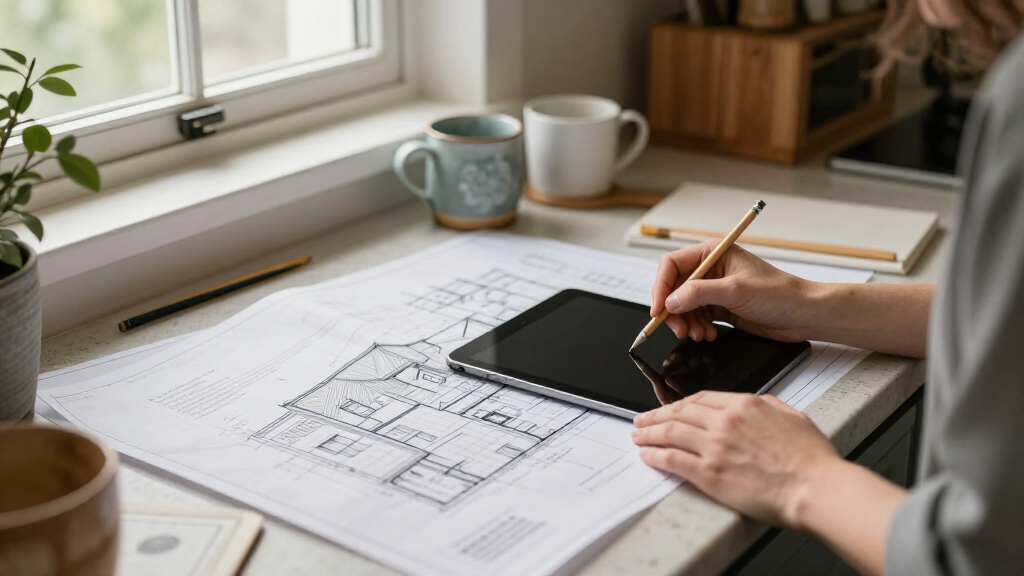
Homeowners have employed their house’s original blueprints from the 1960s to guide a comprehensive restoration, returning the property to its original condition. This approach highlights a growing interest in architectural preservation and historical accuracy, drawing attention from preservationists and renovation enthusiasts alike.
The homeowners, whose identity has not been disclosed, discovered the original blueprints tucked away in a storage room during renovation preparations. The blueprints, dating back to the house’s construction in the 1960s, provided detailed plans of the building’s original layout, materials, and design features. Using these documents, they coordinated a restoration that aimed to preserve the house’s authentic character, including original woodwork, fixtures, and structural elements.
Experts in historic preservation confirmed that such use of original blueprints can significantly improve the accuracy of restoration projects, especially for houses with unique architectural features. The homeowners worked with specialists to ensure that modern updates did not compromise the house’s historical integrity, adhering to preservation standards. The project is still underway, with some sections completed and others in progress, but early results show a close match to the original design.
Why Restoring with Original Blueprints Matters
This development underscores a broader trend toward valuing architectural heritage and authenticity in home renovation. Using original blueprints allows homeowners to preserve unique design elements that might otherwise be lost during modern updates. It also demonstrates a commitment to historical accuracy, which can increase the property’s cultural value and appeal to preservation-minded buyers.
Furthermore, this approach may influence future renovation practices, encouraging more homeowners and professionals to seek out original documents before undertaking major restorations. It highlights the importance of preserving architectural records, which can serve as vital resources for maintaining historical integrity in residential architecture.
As an affiliate, we earn on qualifying purchases.
Historical Preservation and Modern Renovation Trends
Homes built in the 1960s often feature distinctive architectural styles and craftsmanship that are increasingly valued by preservationists. Over recent years, there has been a rising interest in restoring older homes to their original condition rather than replacing them with modern designs. This trend is driven by a desire to maintain cultural heritage, as well as by the availability of detailed construction records such as blueprints.
While not widespread, some homeowners have begun to seek out original construction documents during renovation projects, especially for homes with unique features or historical significance. The use of blueprints in this manner is seen as a way to ensure authenticity and respect for the original architects’ vision. However, the practice remains relatively uncommon, partly due to the difficulty in locating such documents and the need for specialized expertise.
Unanswered Questions About the Restoration Process
Details about the full scope of the restoration, including costs, timeline, and specific techniques used, remain unclear. It is also not confirmed how widely this approach is being adopted beyond this particular case, or whether other homeowners have successfully accessed similar blueprints.
Additionally, it is uncertain whether the use of original blueprints will become a standard practice or remain a niche method for preservation-focused projects.
Next Steps for the Restoration and Broader Adoption
The homeowners plan to complete the remaining phases of their restoration, with progress updates expected in the coming months. Preservation experts suggest that documenting this project could encourage others to pursue similar methods. Future developments may include more widespread access to original blueprints through historical archives or local government records, potentially expanding the practice of blueprint-based restoration.
Key Questions
How common is it for homeowners to find and use original blueprints?
It remains relatively uncommon, as blueprints are often misplaced or destroyed over time. When available, they can significantly enhance restoration accuracy, but access is limited.
What challenges are involved in using original blueprints for restoration?
Challenges include locating the documents, verifying their accuracy, and working with specialists to interpret and implement the plans without damaging the original structure.
Does using blueprints increase the cost of renovation?
Potentially, yes. The process may involve additional research, consultation with preservation experts, and specialized craftsmanship, which can raise costs.
Are there legal or regulatory considerations when restoring a historic home?
Yes. Many historic homes are subject to preservation guidelines and local regulations that may require approval before certain modifications. Using original blueprints can help ensure compliance.
Will this trend influence future home renovation practices?
It could, especially if more homeowners and professionals recognize the benefits of preserving architectural authenticity. Broader access to original records may facilitate this shift.
Source: rss
Fall Picks
fall essentials
As an affiliate, we earn on qualifying purchases.