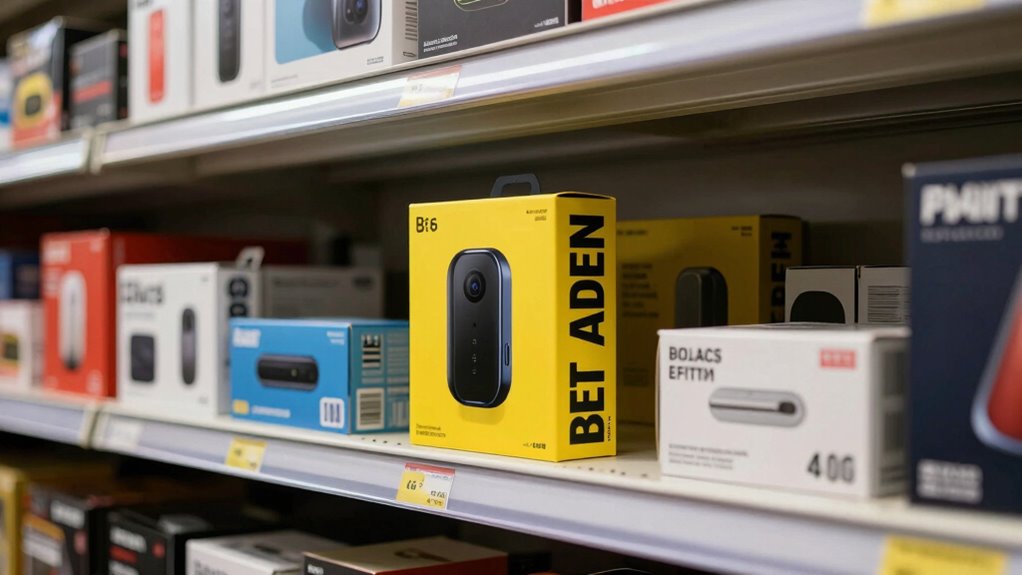

Even the best product won’t succeed if it’s not placed correctly. If you don’t position it where your target customers can see and access it easily, your efforts may fall flat. Proper placement boosts visibility, encourages interaction, and builds trust. Ignoring these factors risks your product getting lost among competitors. To truly maximize your product’s potential, you need to understand the importance of strategic placement—keep exploring to discover how mastering this can transform your results.

Get decor and gifts delivered free with Prime
- Fast, free delivery on millions of items
- Prime Video, Amazon Music and more included
- Member-only deals all year
Key Takeaways
- Even high-quality products can fail if not strategically placed to catch customer attention.
- Poor placement diminishes product visibility, reducing customer interaction regardless of product appeal.
- Effective placement enhances brand recognition, making products more noticeable and memorable.
- Misplaced products miss opportunities for engagement, undermining sales potential.
- Strategic positioning aligns with customer shopping patterns, maximizing product impact regardless of quality.

Choosing the right product and placing it correctly are essential steps in capturing your target audience’s attention and driving sales. However, even if you have a product that perfectly fits your market, poor placement can undermine all your efforts. When your product isn’t positioned where your customers naturally look or shop, your brand visibility diminishes, and customer engagement drops. No matter how great your product is, if it’s not in the right spot, it’s likely to go unnoticed or ignored.
Effective placement isn’t just about physical location; it’s about understanding your audience’s behavior and habits. For example, placing your product at eye level on a shelf, near complementary items, or in high-traffic areas maximizes visibility. If you overlook these details, your product might get lost among competitors or be difficult to find, reducing the chances of making a sale. When your placement aligns with your customer’s shopping patterns, it enhances brand visibility, making it easier for consumers to discover and choose your product over others. Recognizing consumer behavior is crucial to optimizing your placement strategy. Additionally, analyzing market trends can help you stay ahead of shifting customer preferences and adapt your placement accordingly.
Customer engagement plays a pivotal role here. When a product is easily accessible and strategically positioned, customers are more likely to interact with it. They might pick it up, examine it, or ask questions, all of which increase the likelihood of a purchase. Conversely, if your product is hidden behind other items or placed in a less obvious location, you miss opportunities to connect with potential buyers. The right placement invites interaction, establishes a connection, and encourages loyalty. It’s not just about making the product visible but about creating an environment where your target audience feels compelled to engage. Incorporating customer interaction into your placement plan can further boost engagement and sales.
Brand visibility is directly impacted by your placement decisions. When your product is placed where your target audience spends their time, whether that’s online or in-store, your brand becomes more recognizable. Proper placement also involves understanding the technological environment of your shopping spaces, including digital and physical contexts. Consistent, strategic placement helps build familiarity and trust over time. It signals to customers that your brand understands their needs and shopping habits. This visibility fosters a stronger relationship between your brand and your audience, ultimately boosting customer engagement and increasing sales. Proper placement also supports your overall marketing efforts by reinforcing brand consistency across different channels.
In essence, having the best product fails to matter much if it’s not in the right place. The right placement amplifies your product’s appeal, enhances brand visibility, and fosters customer engagement. When these elements work together, they create a powerful synergy that drives your business forward. So, focus on not just what you’re offering, but where you’re offering it. That’s where the real impact happens.
Products Worth Considering

Dyson Car+Boat Cordless Handheld Vacuum

Shark Navigator Robot Vacuum with 30-Day Self-Empty Base, White (AV2110S)

Philips Hue Bridge Pro Smart Lighting Hub
As an affiliate, we earn on qualifying purchases.
Frequently Asked Questions
How Does Customer Behavior Influence Product Placement Strategies?
Customer behavior heavily influences your product placement strategies because understanding customer psychology and shopping habits helps you position items where they’re most likely to catch attention. You observe how customers navigate your store, noting which zones they frequent and what draws their interest. By aligning your placements with these habits, you guide their journey naturally, increasing sales, and enhancing their shopping experience. Ignoring these behaviors risks missed opportunities and lower engagement.
What Tools Assist in Optimizing Product Placement?
Ironically, the best tools for optimizing product placement are your eyes and intuition, but visual merchandising software elevates your efforts. These tools analyze aisle organization and customer flow, helping you strategically position products for maximum impact. Heat maps and planogram software reveal high-traffic zones, so you can place key items where customers are most likely to see and buy them. Use them to turn aisle chaos into shopping convenience.
Can Placement Impact Brand Perception?
Yes, placement can considerably impact your brand perception. When you focus on visual alignment and guarantee your product has ideal shelf visibility, it attracts more attention and conveys a professional image. Poor placement, on the other hand, can make your brand seem less appealing or reputable. By strategically positioning your products for maximum shelf visibility, you enhance the overall perception, encouraging trust and increasing sales.
How Often Should Product Placement Be Reviewed?
You should review your product placement regularly, ideally every few months, to keep your displays dynamic and desirable. Focus on visual merchandising and shelf organization to guarantee your products attract attention. Consistent reviews help you spot shifts in customer preferences or competitors’ moves, allowing you to swiftly adjust your setup. This proactive approach prevents poor placement pitfalls and promotes perfect positioning, boosting sales and brand perception.
What Are Common Mistakes in Product Placement?
You often make mistakes in product placement by creating visual clutter that overwhelms customers and causes aisle congestion. Instead of guiding shoppers smoothly, you might place too many items in one area or neglect clear signage, making it hard to find products. These issues hinder the shopping experience, reduce sales, and discourage repeat visits. To avoid this, keep displays organized, minimize clutter, and guarantee aisles remain accessible and inviting.
Conclusion
You might think choosing the perfect product is everything, but sometimes, it’s the placement that truly makes the difference. Like finding a rare coin in your pocket when you weren’t even looking, the right spot can turn an ordinary item into something extraordinary. So, next time your product doesn’t sell as expected, consider if it’s just in the wrong place. Coincidences happen, and often, they’re just waiting for you to put things in the right spot.