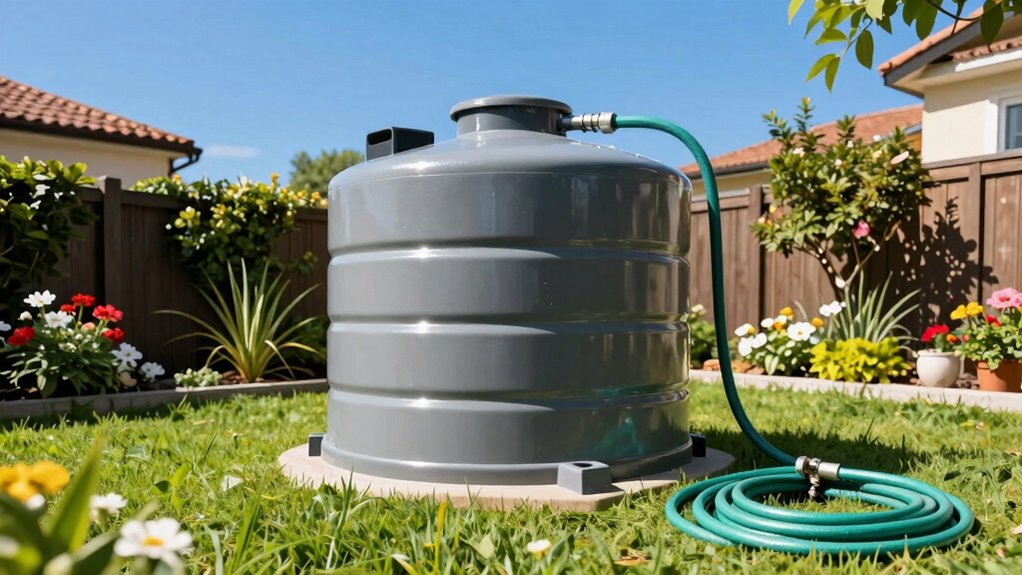

In summer, water storage planning is essential because demand rises sharply with outdoor activities, gardening, and pools, often straining supply systems. Without proper storage, you risk running out during high-use periods or emergencies like power outages and broken pipes. Collecting rainwater and choosing the right tanks help build reserves and reduce reliance on municipal sources. If you want to guarantee you stay prepared and manage water efficiently, keep exploring ways to optimize your summer water storage.
Prime for Young Adults — start your free trial
Fast free delivery, streaming and member deals for eligible 18–24 year olds.
As an affiliate, we earn on qualifying purchases.
Key Takeaways
- Higher outdoor water use during summer increases risk of shortages without proper storage.
- Rainwater harvesting during wetter months helps meet increased summer demand sustainably.
- Summer disruptions like power outages or broken pipes make stored water a critical safety net.
- Adequate planning ensures sufficient storage capacity for peak summer water needs.
- Efficient water storage reduces reliance on municipal supplies, lowering bills and conserving resources.

Are you prepared for the hot summer months when water demand surges? Summer often brings increased outdoor activities, higher temperatures, and little rainfall, all of which strain your water supply. That’s why water storage planning becomes more essential during this season. You need to guarantee you have enough water on hand to meet everyday needs and handle unexpected shortages. One effective way to boost your water supply is through rainwater harvesting. By collecting rainwater during the wetter months, you can build a reserve that supplies your garden, lawn, or even household needs during the dry summer weeks. Rainwater harvesting isn’t just an environmentally friendly practice; it’s also a smart way to reduce reliance on municipal water sources during peak demand periods.
In addition to rainwater harvesting, good water storage planning enhances your emergency preparedness. Summer can bring unexpected crises—power outages, broken pipes, or natural disasters—that cut off your water supply. By storing enough water in advance, you create a safety net that guarantees you won’t be caught unprepared. Proper storage containers, like food-grade tanks or barrels, should be kept in a cool, shaded area to prevent algae growth and spoilage. Regularly inspecting and cleaning your storage units helps maintain water quality, so you’re always ready to use them when needed. Understanding the importance of biodiversity can also inspire more sustainable water practices in your community. Additionally, incorporating water quality measures into your storage routine ensures your stored water remains safe and potable.
During summer, the importance of water storage extends beyond just having enough for daily use. It’s about being proactive, especially when outdoor water needs such as gardening, filling pools, or washing vehicles increase. Without an adequate storage plan, you risk running out at the worst possible moments. By planning ahead, you can determine the right size of storage tanks needed to cover your household’s peak summer consumption. Incorporating rainwater harvesting into your strategy allows you to maximize natural resources, reducing your dependence on municipal supplies and lowering water bills. Additionally, water conservation strategies during this time can significantly decrease overall water usage, making your plan even more effective.
Furthermore, a well-thought-out water storage plan supports sustainable living. It helps you manage water more efficiently and reduces waste. During the summer months, every drop counts, and having a reserve ensures you’re not wasting time or resources trying to find alternative sources when demand peaks. Think of your water storage as a vital component of your summer preparedness kit. It gives you peace of mind, knowing you’re ready to handle increased consumption and any unforeseen disruptions. Planning now will save you trouble later, making your summer safer, more comfortable, and more environmentally conscious.
As an affiliate, we earn on qualifying purchases.
Frequently Asked Questions
How Can I Reduce Water Evaporation From Storage Tanks?
To reduce water evaporation from storage tanks, you should focus on evaporation reduction strategies like installing tank insulation and covering the tanks with lids or floating covers. Insulation helps maintain temperature stability, slowing evaporation caused by heat. Additionally, keeping tanks covered prevents direct sunlight exposure and minimizes water loss. Regularly inspecting and maintaining covers guarantees they stay effective, helping you conserve water and reduce unnecessary wastage during hot summer months.
What Are the Best Materials for Summer Water Storage Containers?
Oh, surely you’d prefer your water to turn into a summer soup rather than stay fresh? Opt for durable materials like polyethylene or fiberglass, which resist cracking under the sun’s fiery gaze. Remember, container durability and material compatibility matter — avoid flimsy plastics that warp or leach chemicals. Steel tanks are excellent for longevity, but make sure they’re coated properly to prevent rust. Choose wisely, and your water will stay cool and clean all summer.
How Often Should I Check Water Quality During Summer?
You should check your water quality at least once a month during summer. Regular water testing helps guarantee that bacteria or algae haven’t grown, especially in warmer temperatures. Keep up with storage maintenance by cleaning containers thoroughly and inspecting for cracks or leaks. This routine helps keep your water safe to drink, prevents contamination, and makes sure your storage system stays in good condition throughout the hot months.
Are There Specific Safety Tips for Handling Stored Water?
To handle stored water safely, always prioritize water safety and follow storage precautions. Use clean, food-grade containers, and keep lids tightly sealed to prevent contamination. Regularly inspect your storage for signs of leaks or pests, and keep the area cool and shaded. When using stored water, boil it if you’re unsure of its quality. These steps help guarantee your water remains safe and free from harmful bacteria or debris.
How Does Water Storage Impact Energy Consumption in Summer?
Water storage impacts your energy consumption in summer by promoting water conservation and boosting energy efficiency. When you store water efficiently, you reduce the need for frequent water heating and distribution, cutting down on energy use. Properly maintained tanks prevent leaks and wastage, saving you money and energy. By planning your water storage wisely, you support sustainable practices, lower your utility bills, and contribute to environmental preservation during the hot summer months.
Conclusion
As summer peaks, think about this: over 80% of household water use happens outdoors, making storage planning essential. Without adequate water reserves, you might find yourself scrambling during heatwaves or unexpected droughts. Proper planning guarantees you have enough water for your needs, keeping your family comfortable and safe. So, take action now—invest in your water storage solutions before the heat really hits. Your preparedness today can save you from shortages tomorrow.
Fall yard work Picks
leaf blowers
As an affiliate, we earn on qualifying purchases.