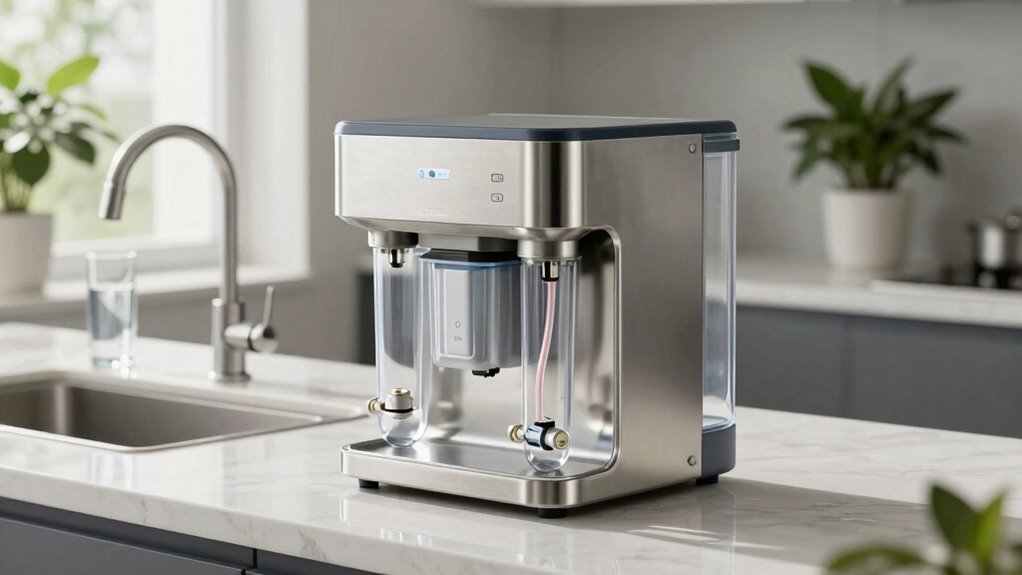

Choosing a whole-home water filter isn’t just about health; it’s a lifestyle move. You get cleaner, safer water for your entire household, reducing exposure to contaminants like lead or pesticides. It also supports sustainability by cutting down on bottled water plastic waste and energy use. This shows your commitment to well-being, environmental responsibility, and a higher quality life. Stay with us to discover how the right system can make a real difference in your daily routine.

Get decor and gifts delivered free with Prime
- Fast, free delivery on millions of items
- Prime Video, Amazon Music and more included
- Member-only deals all year
Key Takeaways
- Choosing whole-home filters reflects a commitment to personal health and environmental sustainability through cleaner, safer water.
- They support a healthier lifestyle by reducing exposure to invisible, tasteless contaminants in tap water.
- Investing in durable, multi-stage filtration systems demonstrates responsibility and care for your family’s well-being.
- They promote eco-friendly living by decreasing reliance on bottled water and minimizing plastic waste.
- Understanding filtration technology enables tailored solutions, aligning health priorities with sustainable lifestyle choices.

Have you ever considered what’s really in your tap water? It might seem pure, but in reality, it can contain a range of contaminants—lead, chlorine, pesticides, and even pharmaceuticals—that you can’t see or taste. That’s where whole-home water filters come into play, offering an exhaustive solution that impacts your health and lifestyle. These systems utilize advanced water filtration technology to ensure every tap in your house delivers cleaner, safer water. Rather than relying on pitcher filters or small under-sink units, a whole-home filter treats water as it enters your residence, providing consistent quality for drinking, cooking, bathing, and laundry.
Choosing a whole-home water filter isn’t just about health; it’s a lifestyle decision. By investing in this system, you’re prioritizing your well-being and making a conscious effort to reduce your exposure to harmful contaminants. Plus, it’s a step toward a more sustainable way of living. Water filtration technology used in these systems often involves multi-stage processes—such as activated carbon, sediment filters, and sometimes reverse osmosis—that target a broad spectrum of impurities. This means you get better-tasting water and peace of mind, knowing that your family is protected from potential health risks associated with contaminated tap water.
Beyond personal health, the environmental impact of whole-home water filters is significant. These systems help cut down on plastic waste since you’ll rely less on bottled water and disposable filters. Additionally, by filtering water at home, you reduce the energy consumption and pollution linked to the production, transportation, and disposal of bottled waters. Some systems are designed to last for years with minimal maintenance, making them not only eco-friendly but also cost-effective in the long run. They also help conserve water by reducing the need for repeated boiling or purchasing bottled water, further lowering your carbon footprint.
Implementing a whole-home water filter shows that you’re committed to a healthier lifestyle and a cleaner environment. It’s about more than just removing contaminants; it’s about creating a living space that aligns with your values. When you choose to invest in quality water filtration technology, you’re making a statement—that your health, the environment, and your home’s overall well-being matter. It’s a lifestyle choice that reflects responsibility and care, providing you with peace of mind every time you turn on the tap. Recognizing the importance of water filtration technology can help you make more informed decisions about your health and the environment.
A good understanding of filtration methods can also guide you in selecting the best system for your specific needs. Additionally, staying informed about contaminant removal ensures you choose a system tailored to address the particular impurities present in your water supply.
whole house water filtration system
As an affiliate, we earn on qualifying purchases.
As an affiliate, we earn on qualifying purchases.
Frequently Asked Questions
How Often Should I Replace the Filter Cartridges?
You should replace your filter cartridges every 6 to 12 months, depending on the filter’s lifespan and your water quality. Regularly check for signs like reduced flow or bad taste, which indicate it’s time for a replacement. Following the recommended replacement frequency guarantees your whole-home water filter functions effectively, providing clean water and protecting your plumbing. Staying on top of filter maintenance keeps your system running smoothly.
Do Whole-Home Filters Remove All Contaminants?
Whole-home filters don’t remove all contaminant types, but they effectively target common ones like chlorine, sediment, and certain heavy metals. Their effectiveness depends on the filter’s design and media, so it’s crucial to choose one suited for your specific water quality. While they considerably improve water safety and taste, some contaminants, like viruses or chemicals, may require additional filtration methods for complete removal.
What Is the Cost Difference Between Various Filter Types?
You get what you pay for when comparing filter types—costs vary widely. Basic carbon filters are budget-friendly but need frequent replacements, increasing maintenance costs. Reverse osmosis systems have higher upfront costs but boast longer filter longevity, saving money in the long run. Whole-house filters with advanced media tend to fall somewhere in between. Weigh your budget against maintenance and longevity to find the best fit—it’s all about balancing cost and benefit.
Can I Install a Whole-Home Filter Myself?
Yes, you can install a whole-home water filter yourself, especially if you have some DIY experience. Many systems come with detailed instructions that make DIY installation doable. However, if you’re unsure or want to ensure proper setup, it’s wise to seek professional assistance. A professional can guarantee your system is correctly installed, avoiding potential issues and ensuring the best water quality. Consider your comfort level before deciding on a DIY approach.
How Much Water Pressure Is Affected by Installation?
Think of your water system as a highway; installing a whole-home filter is like adding a toll booth. It might somewhat slow down the flow, reducing water pressure and flow rate, but usually not enough to cause concern. Proper installation guarantees minimal impact. If your home’s water pressure drops markedly, you might need to adjust the filter or check for blockages, keeping your water highway flowing smoothly.
Conclusion
Choosing a whole-home water filter is like planting a sturdy tree in your backyard—it provides lasting benefits for your health and wellbeing. It’s not just about cleaner water; it’s about planting the seeds for a healthier lifestyle. As water flows through your home, it’s nourishing your body and environment alike. Make this choice, and you’re cultivating a space where purity and wellness grow hand in hand, creating a foundation that supports you for years to come.
Columbus Day / Indigenous Peoples' Day Picks
long weekend sales
As an affiliate, we earn on qualifying purchases.