Using standard thermostat settings for your heat pump can waste energy because they’re often too broad and don’t consider your home’s unique insulation or personal comfort. When your thermostat is set too high in summer or too low in winter, your system works harder than needed, leading to unnecessary energy use and wear. Tailoring your settings helps improve efficiency and saves money. Keep exploring to discover how customizing your thermostat can optimize both comfort and energy savings.
Key Takeaways
- Standard thermostat settings are often too broad, causing unnecessary system cycling and increased energy consumption.
- “Normal” settings may not account for home insulation, leading to inefficiencies and energy waste.
- Setting temperatures too high or low encourages overrides, which disrupt optimal system operation.
- Programmable thermostats allow tailored schedules, reducing waste during sleep or absence periods.
- Properly customized settings improve system efficiency and extend heat pump lifespan by minimizing wear.
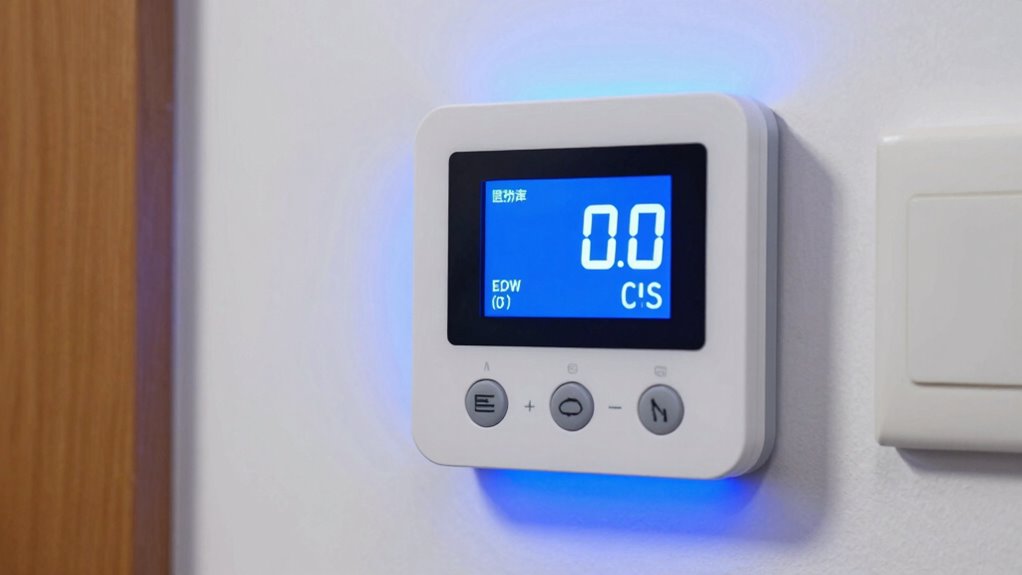
Most thermostats are programmed to maintain a specific temperature range, but these “standard” settings are often too broad or not tailored to your specific needs. When set too high or too low, your system works harder than it needs to, cycling on and off more frequently and consuming excess energy. This not only increases your energy costs but also puts unnecessary wear on your heat pump, reducing its lifespan. By customizing your thermostat settings—such as setting a slightly higher temperature in summer or a lower one in winter—you can optimize your system’s efficiency and reduce wasteful energy use. Additionally, understanding the “why” behind system operation can help you make more informed adjustments that maximize efficiency. Another key to saving energy is understanding the importance of user comfort. Simply put, if your thermostat is set too cold in winter or too warm in summer, you’ll be tempted to override it, creating a cycle of constant adjustments that undermine efficiency. Instead, aim for a balance that keeps your home comfortable without pushing your system to work overtime. Using programmable or smart thermostats allows you to set different temperatures for different times of day, ensuring you’re not wasting energy when you’re asleep or away. These adjustments mean your system only operates at full capacity when necessary, saving energy without sacrificing the comfort you desire. Also, keep in mind that “normal” settings don’t account for your home’s unique characteristics or your personal comfort preferences. For example, a home with good insulation may need a different setting than one that’s drafty or poorly insulated. Fine-tuning your thermostat based on habits and seasonal changes ensures you’re not constantly fighting your system to keep the temperature just right. This tailored approach leads to better energy savings while maintaining a level of user comfort that feels natural and consistent.
Frequently Asked Questions
How Often Should I Calibrate My Heat Pump Thermostat?
You should calibrate your heat pump thermostat once a year to guarantee ideal temperature accuracy. Regular thermostat calibration helps you catch any drift in temperature readings, preventing energy waste caused by inaccurate settings. If your home feels consistently too hot or cold despite the thermostat setting, it’s a good sign to check and recalibrate. Maintaining accurate calibration keeps your system running efficiently and saves you money on energy bills.
Can Smart Thermostats Improve Energy Efficiency Beyond Standard Models?
Yes, smart thermostats can improve your energy savings beyond standard models. They learn your schedule, adjust temperatures automatically, and optimize heating and cooling efficiency. With features like remote control and real-time energy monitoring, you can fine-tune your system to reduce waste. By making smarter adjustments, a smart thermostat helps you save money and energy, ensuring your heat pump runs only when needed and preventing unnecessary energy consumption.
What Are the Signs of a Malfunctioning Heat Pump Thermostat?
Your thermostat might be malfunctioning if it acts like a stubborn mule—ignoring your commands or cycling unpredictably. Watch for signs like inconsistent temperatures, frequent on/off cycles, or difficulty maintaining calibration. These thermostat malfunction signs suggest it’s time to check calibration or replace it. Ignoring these issues can cause energy waste and discomfort, so stay alert and address problems early to keep your heat pump running efficiently.
Do Different Climate Zones Require Different Thermostat Settings?
Yes, different climate zone variations do require specific thermostat adjustment tips. You should tailor your thermostat settings based on your local climate to optimize energy efficiency and comfort. For example, in colder zones, set your heat pump lower to save energy, while in milder climates, keep it higher. Adjustments may differ seasonally, so staying aware of your climate zone helps you choose the most effective thermostat settings.
How Does Humidity Affect Thermostat Temperature Settings?
Think of humidity as the silent artist shaping your comfort. When humidity control is off, moisture levels fluctuate, making your thermostat work harder. By adjusting temperature settings to match humidity levels, you prevent overcooling or overheating. Lower humidity lets you set a higher temperature without sacrificing comfort, saving energy. Proper humidity control guarantees your thermostat maintains ideal moisture levels, helping you stay comfortable without wasting energy on unnecessary cooling or heating.
Conclusion
By adjusting your heat pump thermostat wisely, you can save energy and cut costs. Did you know that setting your thermostat just 1 degree lower in winter can reduce heating bills by up to 3%? Small changes make a big difference, so don’t leave your thermostat on “normal” settings that waste energy. Take control today, optimize your settings, and enjoy a warmer home while doing your part for the environment.