
TL;DR

Get decor and gifts delivered free with Prime
- Fast, free delivery on millions of items
- Prime Video, Amazon Music and more included
- Member-only deals all year
Several homes across London are experiencing cracking and structural issues linked to shrinking clay soil. Experts warn this could lead to costly repairs and safety concerns. The situation highlights the impact of soil conditions on building stability.
Multiple homes across London are experiencing significant cracking and structural damage, attributed to the shrinking of clay soil beneath them. This development has alarmed residents and authorities, as it signals potential safety risks and increasing repair costs. Experts warn that changing soil conditions, driven by environmental factors, are now directly affecting building stability in the city.
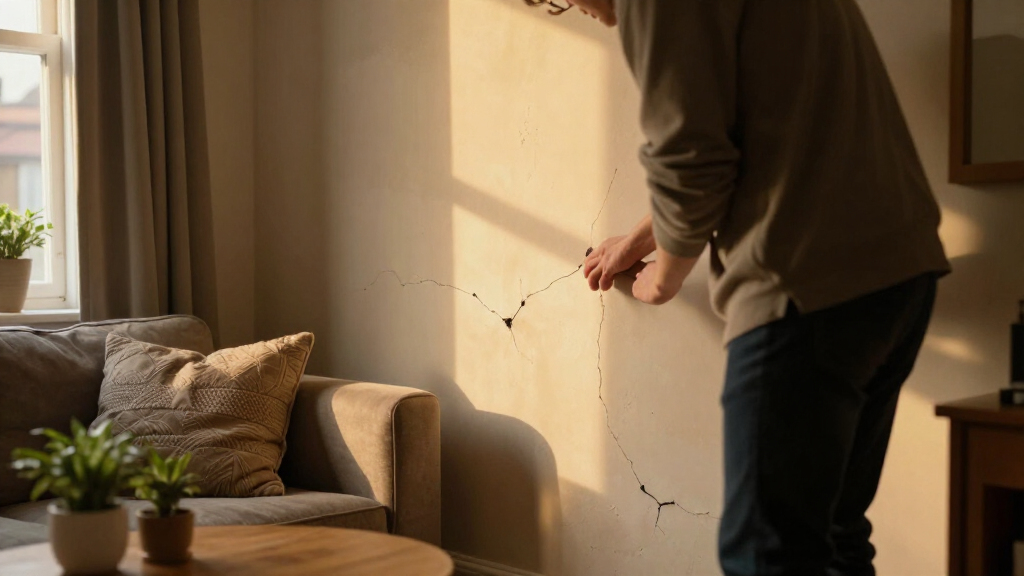
Recent inspections and resident reports indicate that cracks are appearing in walls, foundations, and driveways of homes primarily built on clay-rich soil. According to geotechnical specialists, the shrinking of this clay, which expands when wet and contracts when dry, is causing the ground to move beneath structures. London’s clay soil has historically been a challenge for construction, but recent weather patterns and climate change are exacerbating the problem.
Building authorities and engineers are now investigating the extent of the damage and the potential for future risks. Some homes have already required urgent repairs, with cracks widening over time. Local officials are considering new guidelines for construction and maintenance to address the soil’s changing behavior. The phenomenon is not isolated to a few neighborhoods; reports suggest widespread issues across several boroughs, including Croydon, Bromley, and parts of South London.
While the exact scale of the problem remains under assessment, experts emphasize that the shrinking clay soil could lead to more severe structural failures if not properly managed. The city’s building regulations currently do not fully account for the dynamic nature of clay ground, prompting calls for updated standards and proactive measures.
Implications for London’s Building Safety and Costs
This situation underscores the importance of understanding local soil conditions in urban planning and construction. The ongoing cracking issues could lead to increased repair costs for homeowners and potentially higher insurance premiums. More critically, unresolved structural problems pose safety risks, especially in older buildings not designed to accommodate ground movement. The incident highlights the need for revised building codes that factor in climate-related soil changes and for routine ground stability assessments in vulnerable areas.
As an affiliate, we earn on qualifying purchases.
Soil Shrinkage and Construction Challenges in London
London’s geology is characterized by extensive clay deposits, which are known to cause foundation issues historically. Over the past decade, climate data shows rising temperatures and more frequent dry spells, which accelerate soil shrinkage. This environmental shift has led to increased ground movement, affecting existing structures and complicating new construction projects. Previous incidents of foundation failure have been documented but were less widespread. The current wave of cracking signals a shift towards more pervasive problems driven by changing soil behavior, prompting urgent attention from city planners and engineers.
“The shrinking of clay soil is a natural process, but recent climatic changes have intensified this effect, leading to unpredictable ground movement beneath homes.”
— Dr. Emily Carter, Geotechnical Engineer
Extent and Long-term Impact of Soil-Induced Damage
It is still unclear how widespread the damage will become over the next few years or whether current repair efforts will suffice to prevent further deterioration. The long-term impact on property values and insurance policies remains uncertain, as does the effectiveness of potential mitigation strategies. Researchers and authorities are monitoring soil conditions closely, but comprehensive data on the full scope of the issue is still emerging.
Monitoring, Regulations, and Preventative Measures
Authorities plan to conduct detailed ground surveys across affected neighborhoods and update building regulations to better account for soil shrinkage. Experts recommend homeowners on clay soil consider ground stability assessments and reinforce foundations where necessary. Ongoing research aims to develop new construction techniques that adapt to changing soil conditions, with some proposals for soil stabilization and improved drainage systems. The city is also exploring public awareness campaigns to inform residents about soil-related risks and preventative actions.
Key Questions
What causes clay soil to shrink and crack homes?
Clay soil expands when wet and contracts when dry. Recent weather patterns, including prolonged dry periods, accelerate this shrinking process, leading to ground movement that can crack foundations and walls.
Are all homes at risk of cracking due to soil shrinkage?
Homes built on clay-rich soil are more vulnerable, especially older buildings with less flexible foundations. The extent of risk varies depending on soil composition, construction quality, and local climate conditions.
What can homeowners do to protect their properties?
Homeowners should consider ground stability assessments and consult structural engineers for potential foundation reinforcement. Maintaining adequate drainage and moisture levels around the property can also help reduce soil movement.
Will the government introduce new building regulations?
Authorities are reviewing current standards and may implement updated regulations that require soil assessments and foundation reinforcements in vulnerable areas to improve resilience against soil shrinkage.
Is this issue likely to worsen with climate change?
Yes, climate change is expected to increase the frequency and severity of dry spells, which can further accelerate soil shrinkage and associated structural problems unless mitigation measures are adopted.
Source: local
Halloween Picks
halloween
As an affiliate, we earn on qualifying purchases.