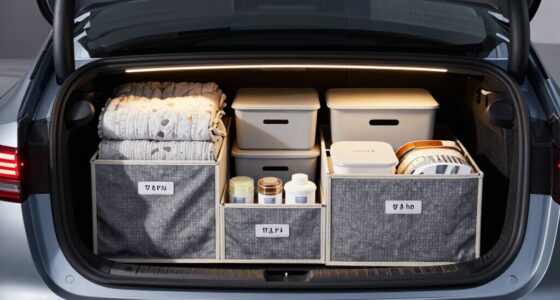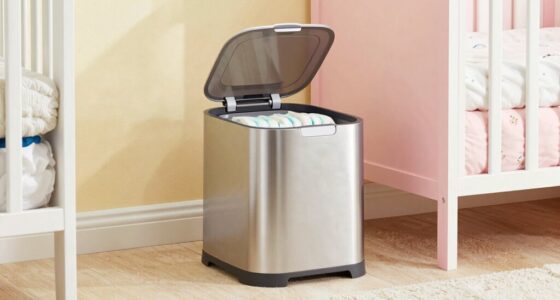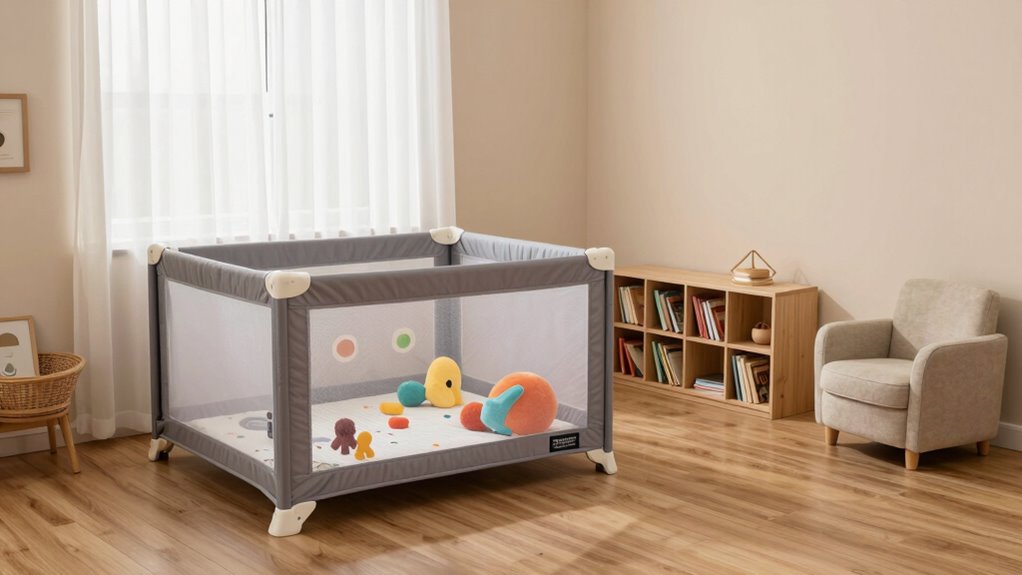

Having designated zones in your child’s room helps make playpens feel less messy and more organized. When you assign specific areas for toys, activities, and quiet time, it reduces clutter and keeps high-traffic spots clearer. This structure encourages your child to explore within set boundaries and makes cleanup easier. By creating a thoughtful layout, you’ll find the space calmer and safer. Keep exploring to learn how strategic zones can transform your child’s environment even further.

Get decor and gifts delivered free — and shop member deals
- Fast, free delivery on millions of items
- Access to Prime Big Deal Days deals on October 6–7
- Prime Video, Amazon Music and more included
Key Takeaways
- Designate specific zones for toys and activities to contain clutter within the playpen area.
- Use storage solutions like bins and baskets to organize items near the play zone.
- Create clear boundaries around the playpen to prevent toys from spreading into other areas.
- Regularly reassess and adjust zones to match your child’s developmental needs and reduce mess.
- Incorporate child-proof safety measures to keep the play area secure and organized.
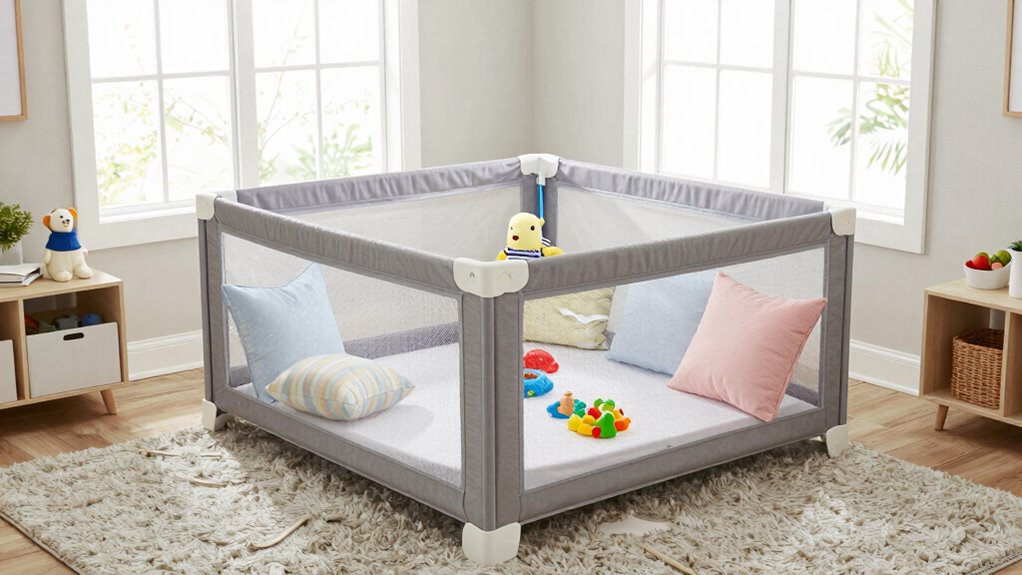
Creating effective playspaces for your child involves more than just setting up a playpen; it requires a strategic approach to room zones. When you design your space thoughtfully, you’ll find that playpens feel less messy and more manageable. A well-planned room zone helps contain toys, keeps high-traffic areas clear, and encourages your child’s independence, all while supporting their development. The foundation of this strategy is child proofing safety—making sure every zone is secure and free from hazards. Use outlet covers, corner protectors, and secure furniture to prevent accidents. This not only keeps your child safe but also gives you peace of mind to focus on creating an inviting environment.
Strategically designed room zones promote safety, organization, and independence for your child’s growth.
Beyond safety, consider sensory development when arranging your zones. Different areas can stimulate your child’s senses in beneficial ways. For example, designate a cozy corner with soft textures and calming colors to promote relaxation, or set up a play zone with different tactile toys and visual stimuli to foster exploration. Having distinct zones allows your child to experience variety in their environment, aiding their sensory development and keeping them engaged. When your playpen is situated within a clearly defined play zone, it becomes part of a larger, purposeful space rather than an isolated area that adds to the mess. Incorporating child proofing safety measures ensures each zone remains secure and hazard-free. Additionally, understanding room organization principles can greatly enhance the overall functionality of your space, making it easier to maintain and enjoy.
Organizing your room into zones also helps manage clutter. When toys and activities are assigned to specific areas, cleanup becomes more straightforward. You can incorporate storage solutions like baskets or bins to keep toys within each zone, reducing the chance of stray items cluttering the rest of the room. This organization encourages your child to tidy up after play, fostering responsibility and independence. Plus, a designated play zone makes it easier for you to keep an eye on your little one, especially when they’re in the playpen, since you’ll know exactly where their toys and activities are located.
Finally, keep in mind that your room’s layout can evolve as your child grows. Regularly reassess and adjust zones to match their developmental stages and interests. Incorporate different textures, colors, and activities to keep the space stimulating and safe. When your room is thoughtfully divided into zones that prioritize child proofing safety and sensory development, the playpen becomes just one part of an organized, engaging environment. This strategic setup makes playtime more enjoyable, less chaotic, and more conducive to your child’s growth and safety.
As an affiliate, we earn on qualifying purchases.
Frequently Asked Questions
How Do I Determine the Best Zones for My Room?
To determine the best zones for your room, start by evaluating your decor organization needs and daily activities. Identify areas where specific items are used frequently, like toys, books, or clothes. Use zone labeling to clearly mark each space, making it easier to maintain order. Consider traffic flow and storage options, then allocate space accordingly. This approach helps you create functional zones that keep your room tidy and organized.
What Safety Considerations Are Important for Zone Setup?
When setting up zones, prioritize decor safety by removing sharp edges, choking hazards, and fragile items. Guarantee each zone allows for clear zone supervision, so you can easily keep an eye on your child. Use safety gates or barriers where needed, and choose non-toxic, sturdy decor. Regularly check for hazards and keep the room organized to maintain a safe environment, making supervision easier and reducing risks.
Can a Zone Strategy Help With Toddler Independence?
Absolutely, a zone strategy can turn your toddler’s independence up to a thousand! By creating designated areas like sensory play zones and sleep zones, you give your child the freedom to explore safely and confidently. They learn to make choices, develop self-control, and enjoy their space. This setup encourages independence, making them feel empowered while you maintain a less chaotic, more organized environment. It’s a win-win for everyone!
How Often Should I Reorganize the Room Zones?
You should reorganize your playroom layout and zones every few months or when you notice clutter control issues. Regular reorganization helps keep the space functional and engaging for your toddler. As your child’s interests and needs change, updating zones guarantees they stay stimulated and organized. Keep an eye on clutter buildup, and don’t hesitate to tweak the layout to maintain a tidy, safe environment that encourages independence and play.
What Are Common Mistakes When Creating Room Zones?
Like a painter’s misstep on the canvas, poor decor placement and unclear zone labeling can cloud your room’s harmony. Avoid overcrowding or mismatched decor, which muddles the zone’s purpose. Keep zones distinct, with clear labels that guide both you and your little one. Overlooking these details creates chaos, making cleanup a nightmare. Thoughtful planning guarantees each zone sings in harmony, transforming clutter into a well-orchestrated sanctuary.
Conclusion
By creating designated zones for play, rest, and chores, you’ll find your playpen feels less cluttered and more manageable. Think of it as “a place for everything, and everything in its place”—your space becomes a sanctuary rather than a chaos zone. When each area has a purpose, you’re not only simplifying cleanup but also fostering a sense of calm and order. Embrace the zone strategy, and watch your room transform into a harmonious haven.
Fall Picks
fall essentials
As an affiliate, we earn on qualifying purchases.