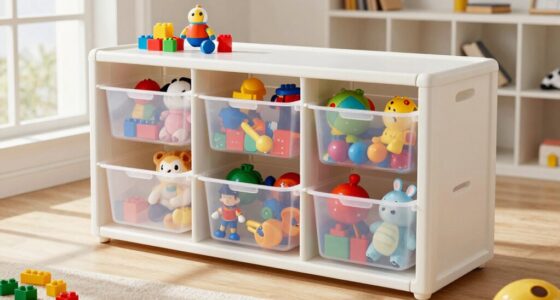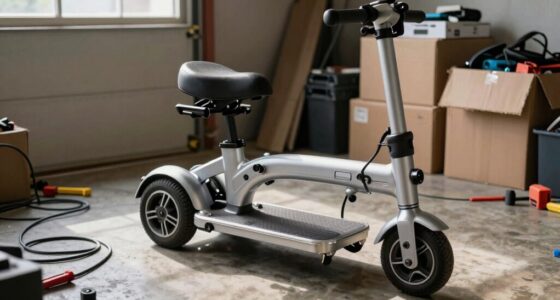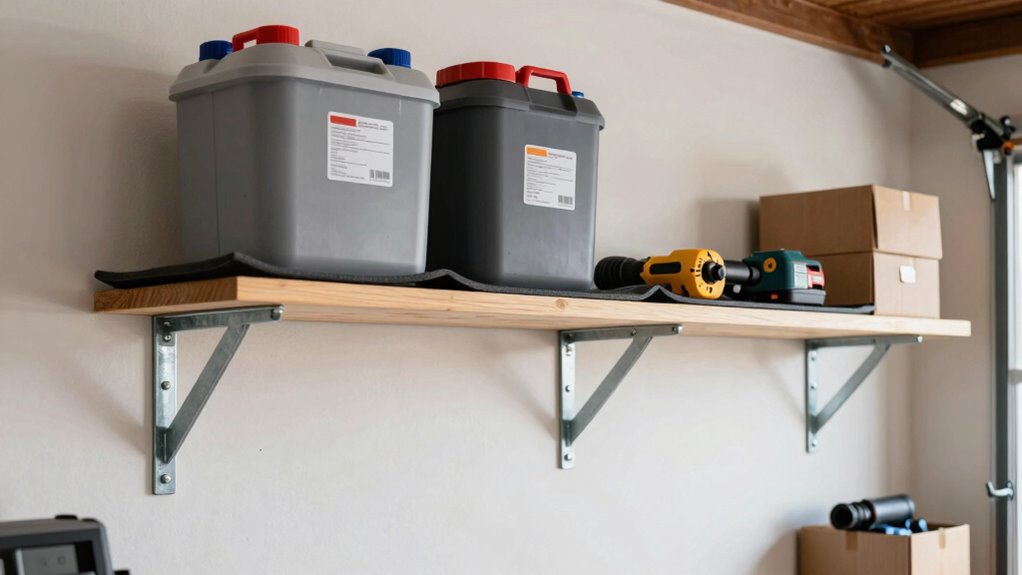

To create safer storage for heavy household items, assess weight and size before organizing. Store heavy objects on lower shelves or at the bottom of storage units to prevent tipping. Use sturdy, reinforced shelving and secure them to walls with brackets. Keep frequently used heavy items easily accessible, and avoid overloading shelves. Regularly inspect your storage system for damage, and use carts or lifting equipment for very heavy items. Keep these tips in mind to improve safety and stability; more details await you.
Prime for Young Adults — start your free trial
Fast free delivery, streaming and member deals for eligible 18–24 year olds.
As an affiliate, we earn on qualifying purchases.
Key Takeaways
- Store heavy items on lower shelves for stability and easy access.
- Use reinforced, wall-secured shelving units to prevent tipping or collapse.
- Distribute weight evenly across shelves to maintain balance and safety.
- Regularly inspect storage units for damage or wear and replace as needed.
- Utilize proper lifting techniques and equipment like dollies to handle heavy objects safely.
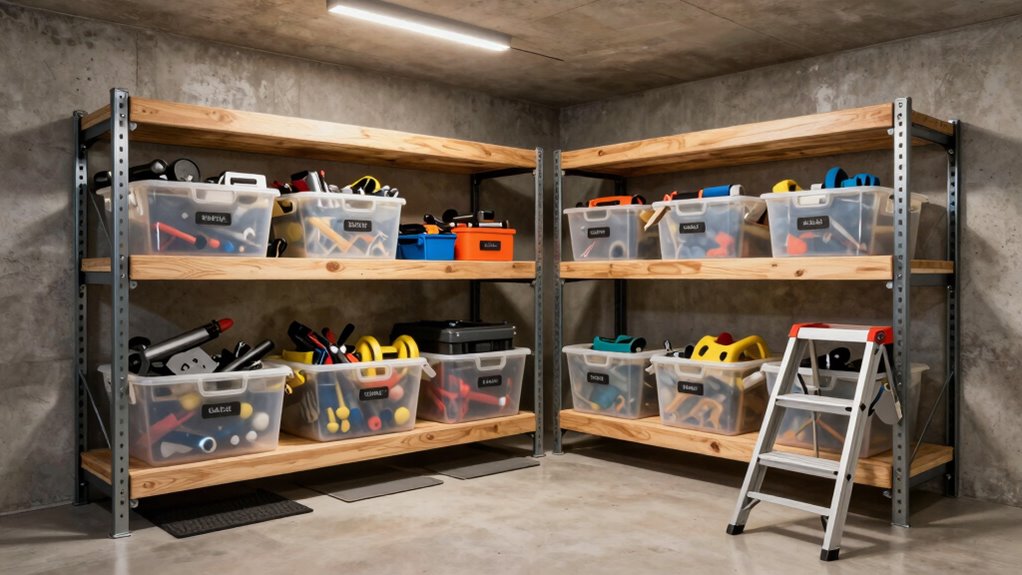
Storing heavy household items safely is essential to prevent accidents and protect your home. When you focus on proper storage organization, you make it easier to access items safely while reducing the risk of injuries. Start by assessing the weight and size of each item before deciding where to store it. Heavier objects should go on lower shelves or in the bottom of storage units to prevent them from falling or causing imbalance. Proper load distribution is key—by evenly spreading weight across shelves and storage areas, you avoid putting too much strain on one side, which could cause shelves to collapse or become unstable over time.
Store heavy items on lower shelves and distribute weight evenly to ensure stability and safety.
Using sturdy, reinforced shelving units is a smart move. Choose shelves made of durable materials that can handle the weight of heavy household items. Secure these shelves to walls using brackets or anchors, especially if they’re tall or placed in areas prone to movement. This step ensures that the entire storage system remains stable and minimizes the chance of tipping over. When organizing, group similar items together and store the heaviest ones at the bottom. This way, you create a solid foundation and make retrieval easier, avoiding the need to lift or move heavy objects from above shoulder height.
You should also consider the layout of your storage space. Keep frequently used heavy items within easy reach to prevent unnecessary lifting or awkward movements. Less commonly used items can be stored higher up or in less accessible areas. Using clear bins or labeled containers helps maintain a clear storage organization, so you know exactly where everything is without rummaging through clutter. This not only saves time but also reduces the risk of dropping or mishandling heavy items. Additionally, understanding load capacity of your shelves and storage units is crucial for safety and longevity. Regularly inspecting your storage setup helps identify potential hazards before they become serious issues, such as worn-out brackets or damaged shelves. Incorporating proper safety practices into your routine, like wearing gloves or using proper lifting techniques, can further prevent injuries when handling heavy objects. Moreover, choosing appropriate lifting equipment for very heavy items can significantly reduce strain and enhance safety during movement.
Over time, shelves may loosen or shift, especially if they’re bearing significant weight. Reorganize periodically to keep weight evenly distributed and to replace any damaged shelving units. When stacking boxes or containers, avoid overloading them, and always distribute weight evenly across the surface. If possible, use dollies or carts for moving very heavy items, minimizing strain and avoiding accidents. Additionally, consulting storage safety guidelines can provide additional tips for maintaining a secure and safe storage environment. Remember that understanding weight limits and adhering to them is fundamental to avoiding accidents and ensuring the longevity of your storage solutions.
heavy duty reinforced shelving units
As an affiliate, we earn on qualifying purchases.
As an affiliate, we earn on qualifying purchases.
Frequently Asked Questions
What Are the Best Tools for Securing Heavy Items?
The best tools for securing heavy items include furniture anchors and wall brackets. These tools prevent tipping and sliding, keeping your furniture stable. You should install furniture anchors on dressers, bookshelves, and cabinets, attaching them securely to the wall. Wall brackets provide extra support for appliances or large items. Using these tools guarantees safety, especially in homes with children or pets, reducing the risk of accidents and injuries.
How Often Should Storage Areas Be Inspected for Safety?
In the age of dial-up internet, you should inspect your storage areas at least once a month. Regular checks guarantee your storage organization remains secure and safety protocols are followed. Look for signs of wear, loose fixtures, or instability in heavy items. Frequent inspections help prevent accidents, making your home safer. Staying vigilant is key to maintaining a secure environment, especially when managing heavy household items.
Can I Use DIY Methods for Heavy Item Storage?
Yes, you can use DIY methods for heavy item storage, but prioritize DIY safety. Make certain to reinforce shelves securely, use sturdy brackets, and choose appropriate wall anchors. Avoid shortcuts that compromise stability, and always double-check weight limits. Proper planning and safety precautions ensure your DIY heavy storage solutions are both effective and safe, preventing accidents and damage. Remember, safety first when handling heavy storage projects.
What Are Common Mistakes to Avoid in Heavy Item Storage?
You should avoid uneven weight distribution, which can cause shelves or storage units to collapse. Always balance heavy items across your storage space. Additionally, neglecting clear storage labels leads to unsafe lifting and handling. Proper labels help you identify items quickly, reducing the risk of injury. Also, don’t forget to secure heavy items properly, ensuring they don’t shift or fall, which could cause accidents or damage.
How Do I Handle Heavy Items During Emergencies?
When emergencies strike, you need to stay calm and approach heavy lifting with care. Always assess the load first, use proper techniques, and ask for help if needed. Keep heavy items close to your body, avoid twisting, and lift with your legs. Incorporate heavy items into your emergency preparedness plan, ensuring they’re secure and accessible. Remember, rushing can turn a small problem into a big one.
Conclusion
By following these simple steps, you turn your storage space into a fortress, protecting both your belongings and yourself. Remember, secure heavy items properly—think of it as anchoring a ship before a storm. When you prioritize safety, you’re not just organizing; you’re building peace of mind. So take action today, and let your storage area be a sturdy harbor where heavy household items stay put and hazards stay out.
Flea & tick season Picks
flea and tick prevention
As an affiliate, we earn on qualifying purchases.