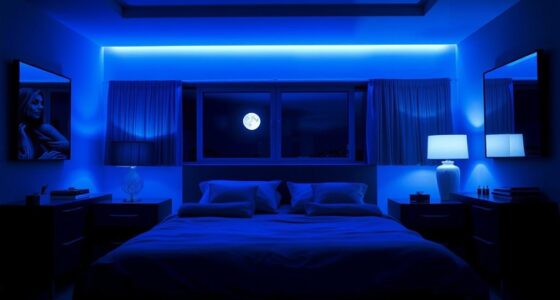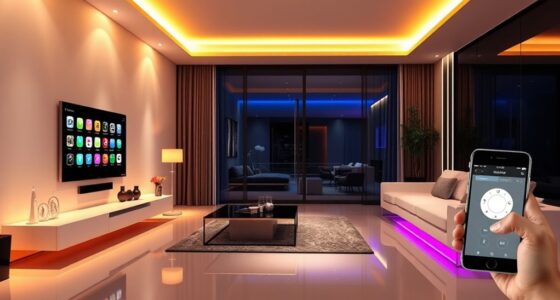
Your environment’s color temperature directly affects how your brain perceives and reacts, influencing your mood, alertness, and emotional stability. Warm lighting creates a cozy, calming feeling, while cool lighting boosts alertness and focus. These effects go beyond personal preference, shaping your mental state unconsciously. understanding how light influences your feelings can help you optimize your environment for better mood and health—stick around to uncover more about how to harness this powerful connection.
Key Takeaways
- Different color temperatures influence brain responses, affecting mood, alertness, and relaxation levels.
- Cool light enhances alertness by mimicking natural daylight, stimulating mental clarity.
- Warm light promotes relaxation and reduces stress, signaling the brain to wind down.
- Light spectrum shifts can disrupt circadian rhythms, impacting sleep and overall mental health.
- Properly aligned lighting environments support emotional stability and cognitive function.
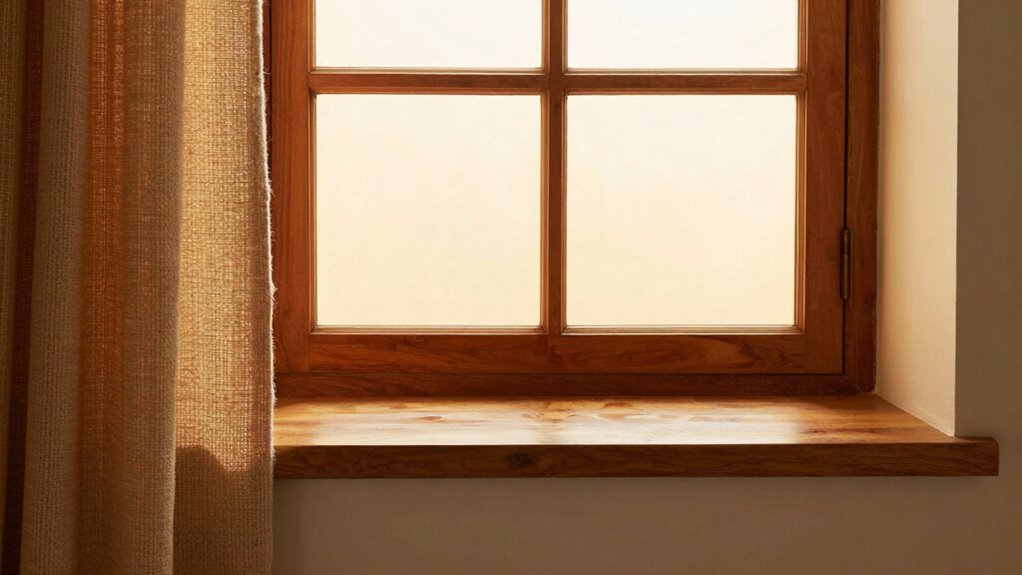
Color temperature, which refers to the warmth or coolness of light, can profoundly influence how your brain perceives and responds to its environment. When you’re exposed to different lighting conditions, your brain doesn’t just register the brightness; it interprets the color tone, which can affect your internal processes. For example, warmer light with a yellowish hue tends to promote relaxation, while cooler, bluish light can boost alertness. This isn’t just about aesthetics—it’s closely tied to your circadian rhythms, the internal clock that regulates sleep-wake cycles. Light plays an essential role in syncing your circadian rhythms, signaling your brain to feel awake or sleepy at appropriate times. When you’re exposed to cool light during the day, it helps keep you alert and focused because it mimics natural sunlight, keeping your circadian rhythms aligned. Conversely, warm light in the evening signals to your brain that it’s time to wind down, helping you prepare for sleep. Disrupting this balance with inappropriate lighting can throw off your circadian rhythms, leading to sleep issues, fatigue, and decreased cognitive function.
Your mood regulation is also directly impacted by the color temperature you’re exposed to. Cooler lights, which are rich in blue wavelengths, stimulate your brain’s alertness centers, making you feel more awake and energized. This is why many workplaces use cool lighting during daytime hours—to promote productivity and focus. On the other hand, warmer lights tend to create a cozy, calming atmosphere, which can help reduce stress and promote feelings of comfort and well-being. If you’re feeling anxious or down, adjusting the lighting to a warmer tone might help stabilize your mood. Your brain responds to these subtle cues, affecting your emotional state without you even realizing it. Additionally, understanding the impact of light spectrum on your brain can help you optimize your environment for mental clarity and emotional health.
Understanding how color temperature influences your brain’s feelings underscores that lighting isn’t just about visibility; it’s a powerful tool for shaping your mental and emotional health. By aligning your lighting choices with your natural circadian rhythms—using cooler light during active hours and warm light in the evening—you can improve your mood regulation and overall well-being. This awareness can help you create environments that support your mental clarity, emotional stability, and restful sleep. Ultimately, recognizing that color temperature affects your brain’s feelings reveals that lighting isn’t a matter of preference but an essential factor in maintaining your mental health and daily performance.
Frequently Asked Questions
Can Adjusting Color Temperature Improve Mood in Workplaces?
Adjusting color temperature can definitely improve mood in your work environment. Cooler lighting tends to boost alertness and focus, enhancing emotional well-being, especially during demanding tasks. Warmer lighting creates a cozy atmosphere, reducing stress and promoting relaxation. By tailoring the lighting to suit different activities, you help foster a positive environment that supports your emotional health, making you more productive and satisfied in your workspace.
How Does Color Temperature Affect Sleep Quality?
Your sleep quality is directly affected by color temperature because it influences your circadian rhythms. Exposure to blue light, especially from cool color temperatures, suppresses melatonin production, making it harder to fall asleep. To improve sleep, use warmer light in the evening and limit exposure to blue light from screens before bedtime. This helps your body naturally prepare for rest and enhances overall sleep quality.
Are There Health Risks Associated With Certain Color Temperatures?
Sure, exposing yourself to harsh blue or bright white light can mess with your health. It risks circadian disruption, throwing off your sleep and mood. Too much light exposure, especially at night, may increase chances of eye strain or even long-term issues. So, be cautious—your brain and body aren’t fans of being overexposed to certain color temperatures, and your health could suffer if you ignore these risks.
Can Color Temperature Influence Athletic Performance?
Yes, color temperature can influence your athletic performance by affecting visual perception and circadian rhythms. Cooler light enhances alertness and focus, helping you perform better during daytime activities. Warmer light can relax your mind, which might hinder short-term performance but support recovery afterward. By adjusting lighting to match your activity, you optimize your visual perception and keep your circadian rhythms in sync, ultimately boosting your overall athletic results.
How Quickly Does the Brain Respond to Changes in Color Temperature?
Your brain responds to changes in color temperature almost immediately, within seconds. When you shift from warm to cool tones, your neural response adjusts quickly, affecting your visual perception and mood. This rapid reaction helps your brain interpret light cues efficiently, influencing everything from alertness to comfort. So, don’t underestimate how swiftly your neural pathways process these visual signals, shaping your overall experience in real time.
Conclusion
So, next time you choose your lighting, remember it’s not just about preference—your brain responds differently depending on the color temperature. Studies show that cooler lighting can boost alertness by up to 20%, helping you stay focused and energized. Imagine walking into a room bathed in warm, cozy light versus crisp, cool tones—each sparks a different mood. By understanding this, you can intentionally set your environment to support how you want to feel and perform.