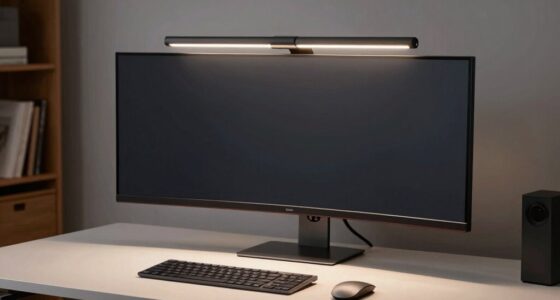

You can turn decorative lamps into functional elements by carefully selecting and placing them to enhance your space’s ambiance and usability. Use layered lighting techniques, such as grouping different styles or placing lamps near key areas like reading nooks or artwork, to add depth and personality. Incorporate dimmable and energy-efficient options for flexibility and sustainability. Thoughtful placement highlights architectural features and creates an inviting atmosphere. Keep exploring to discover how you can maximize their potential in your home.

Get decor and gifts delivered free with Prime
- Fast, free delivery on millions of items
- Prime Video, Amazon Music and more included
- Member-only deals all year
Key Takeaways
- Combine decorative lamps with layered lighting techniques to enhance ambiance and functionality in your space.
- Use adjustable and strategically placed lamps to highlight architectural features and artwork.
- Group different styles and heights of lamps to create focal points and add visual interest.
- Incorporate energy-efficient bulbs and dimmable features for sustainable, customizable lighting.
- Integrate decorative lamps into specific zones, like reading nooks or entryways, for practical illumination and style.
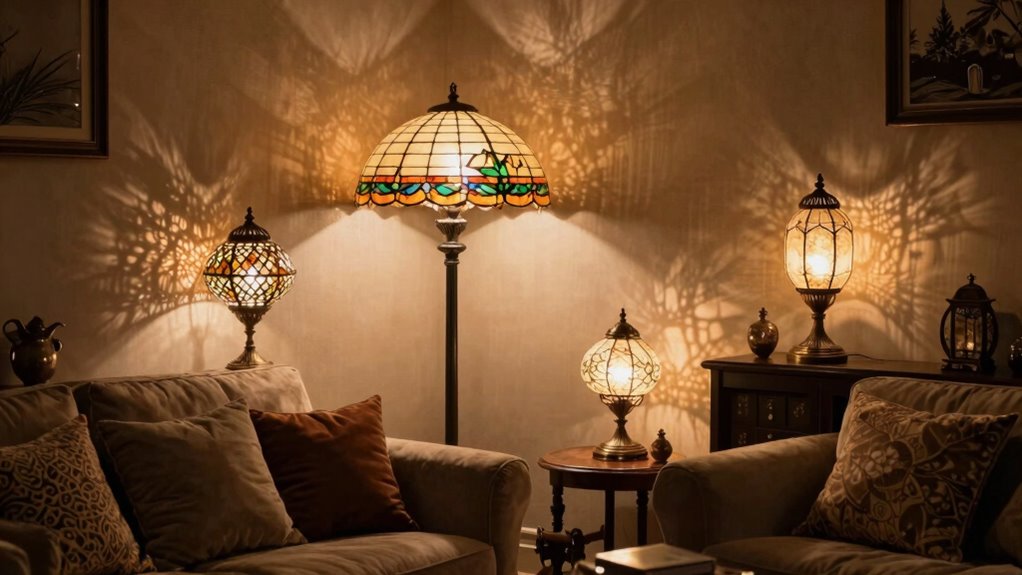
Decorative lamps do more than just brighten a room; they can also enhance your space’s atmosphere and reflect your personal style. When used thoughtfully, they become functional art pieces that serve both practical and aesthetic purposes. One of the key benefits of choosing the right decorative lamps is energy efficiency. Modern options often incorporate LED bulbs or dimmable features, allowing you to save on electricity while maintaining the desired ambiance. By selecting energy-efficient lamps, you not only reduce your carbon footprint but also cut down on utility bills. It’s a smart move that aligns style with sustainability.
Decorative lamps blend style and sustainability with energy-efficient options like LED bulbs and dimmable features.
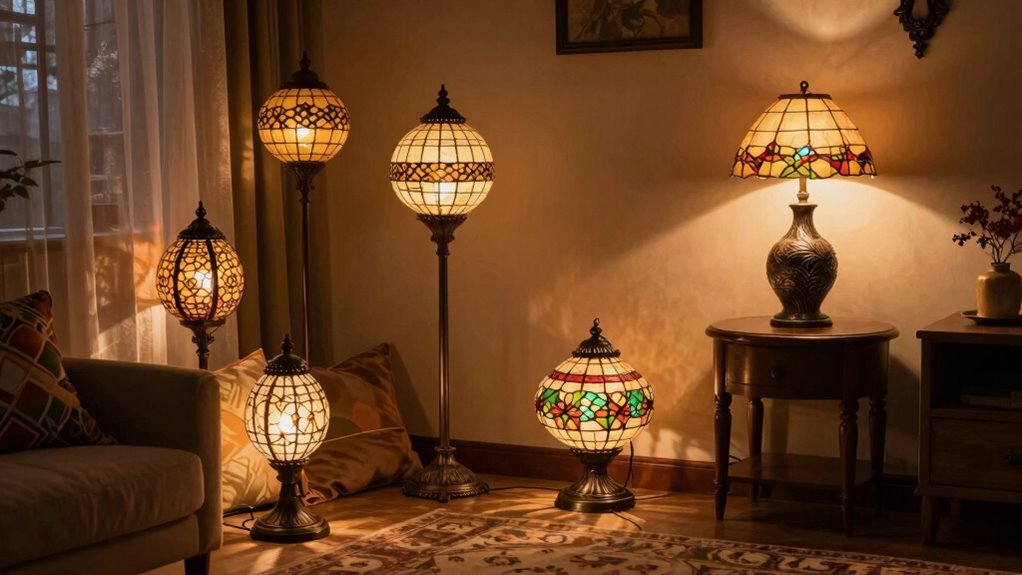
Beyond their energy-saving capabilities, decorative lamps offer endless possibilities for creative arrangements. Instead of placing a single lamp on a side table, consider grouping different styles and heights to create an eye-catching focal point. For example, a cluster of small table lamps with varied bases can add visual interest and warmth to a corner. Alternatively, wall-mounted fixtures or string lights can transform an otherwise plain wall into an intriguing display. Using creative arrangements allows you to personalize your space and adapt lighting for different moods or occasions. Incorporating layered lighting techniques can further enhance this effect by creating a more inviting environment. Additionally, experimenting with different lamp styles can help you achieve a unique and cohesive look.
You can also experiment with layering light sources to add depth and dimension to your rooms. Combining overhead lighting with decorative lamps on side tables, shelves, or even under cabinets creates a dynamic environment. For instance, a decorative lamp with a soft, diffused glow placed near a reading nook provides both aesthetic appeal and functional lighting. Incorporate lamps with unique shapes or colorful shades to introduce personality and character. These creative choices turn lighting from a mere necessity into an integral part of your interior design. Paying attention to lighting placement can further maximize the impact of your decorative lamps by highlighting key features and creating visual balance. In addition, understanding lighting design principles can help you craft a more harmonious and visually appealing space.
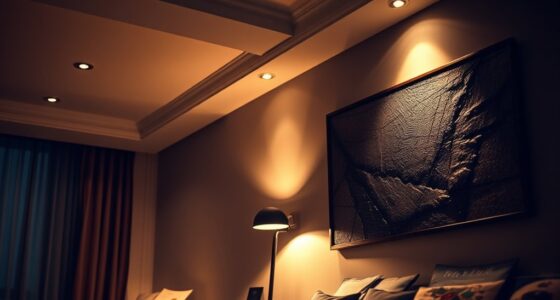
Another way to maximize your decorative lamps’ potential is by focusing on their placement. Position lamps to highlight architectural features, artwork, or textured walls. This not only adds visual interest but also emphasizes your personal style. Adjustable lamps are particularly versatile—they let you direct light exactly where you need it, whether it’s to illuminate a cozy corner or accentuate a decorative piece. When used intentionally, your decorative lamps become tools that enhance the overall atmosphere, making your living space more inviting and expressive. Incorporating energy efficiency into your lighting choices can further enhance this effect while supporting eco-conscious living.
As an affiliate, we earn on qualifying purchases.
Frequently Asked Questions
Can Decorative Lamps Improve Indoor Air Quality?
Decorative lamps don’t directly improve indoor air quality, but they can support air purification and humidity control indirectly. For example, some lamps come with built-in air purifiers or UV sterilization features that help reduce airborne pollutants. Additionally, lamps with humidifier functions add moisture to dry air, improving comfort and reducing airborne allergens. So, while they’re mainly decorative, certain decorative lamps can enhance your home’s air quality subtly and stylishly.
Are Decorative Lamps Energy-Efficient for Daily Use?
Are decorative lamps energy-efficient for daily use? Absolutely, if you choose wisely. Think of them as the silent guardians of your energy bills—they often use low energy consumption bulbs like LEDs, which consume less power and last longer. This means you benefit from lower electricity costs and enjoy their beauty longer without frequent replacements. So, yes, decorative lamps can be both stylish and energy-efficient, making them a smart choice for everyday lighting.
How Do I Clean and Maintain Decorative Lamps Safely?
To clean and maintain decorative lamps safely, follow simple cleaning tips like unplugging the lamp before cleaning, using a soft cloth for dusting, and avoiding harsh chemicals. Regular maintenance routines include checking the wiring, replacing bulbs carefully, and inspecting for damage. Keep the lamp dry and handle delicate parts gently. These steps guarantee your decorative lamps stay beautiful, functional, and safe for everyday use.
Can Decorative Lamps Be Used Outdoors Reliably?
Yes, decorative lamps can be used outdoors reliably if they have good outdoor durability and weather resistance. Look for lamps specifically designed for outdoor use, with sealed enclosures and weatherproof materials. You should also consider placing them in sheltered spots to protect from harsh elements. Proper installation and regular maintenance will guarantee they stay functional and stylish, transforming your outdoor space into a cozy, inviting area.
Do Decorative Lamps Require Special Electrical Wiring?
Like a silent guardian, decorative lamps often don’t need special wiring, but electrical safety is key. You usually don’t require complex wiring requirements, yet make certain they’re compatible with your power source to prevent hazards. Check the manufacturer’s instructions for voltage and wattage limits. If your outdoor space demands extra protection, consider outdoor-rated cords and fixtures. Always prioritize safety, and consult an electrician if unsure about proper wiring or safety measures.
Conclusion
Think of decorative lamps as the stars in your room’s night sky—beautiful, yes, but also guiding your way. When you use them beyond mere decoration, they become your cozy companions, setting moods and highlighting your space’s personality. So, don’t just let these lamps sit in the corner collecting dust; let them illuminate your life, turning your home into a warm, inviting galaxy where every light has a story to tell.
Halloween Picks
halloween
As an affiliate, we earn on qualifying purchases.