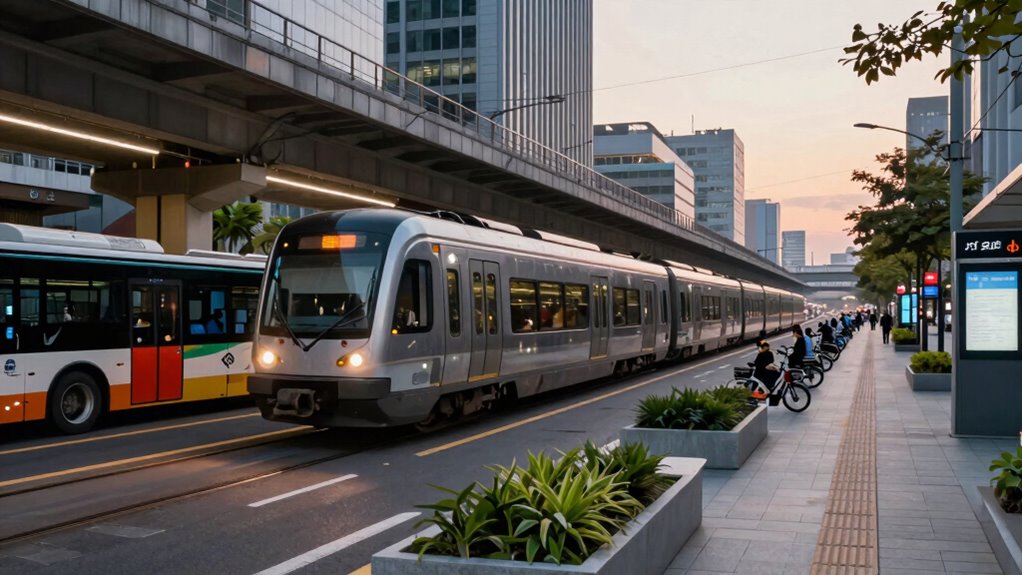

Travel systems only save you time if your daily route aligns with their optimized paths. They work best when you stick to predictable routines, avoid shortcuts, and follow system suggestions closely. Weather, traffic, or routine changes can reduce their effectiveness. To maximize benefits, you need to plan ahead and adapt when conditions shift. If you’re curious about how to make these systems work better for your commute, keep exploring this guide.

Get decor and gifts delivered free — and shop member deals
- Fast, free delivery on millions of items
- Access to Prime Big Deal Days deals on October 6–7
- Prime Video, Amazon Music and more included
Key Takeaways
- Travel systems optimize routes based on regular patterns, saving time when your routine aligns with their suggested paths.
- Deviating from habitual routes diminishes the system’s effectiveness, reducing potential time savings.
- Consistently following system-recommended routes maximizes efficiency, especially when routines remain unchanged.
- Frequent route changes or shortcuts can negate the benefits of travel systems designed for specific paths.
- Routine consistency allows travel systems to provide the quickest, most efficient guidance, enhancing time savings.

Travel systems can save you time, but only if your daily route aligns with their optimized paths. These systems are designed to streamline your commute by offering the quickest, most efficient routes, but they’re only effective if your routine matches their suggestions. If you’re used to taking shortcuts or detours, or if you frequently change your departure times, the benefits might be limited. To truly maximize time savings, you need to adapt your habits to the system’s guidance, sticking to the recommended routes and schedules whenever possible.
Align your habits with travel systems for maximum time savings and efficiency.
A key aspect of making these systems work for you involves establishing solid parking strategies. Instead of searching aimlessly for a spot near your destination, plan ahead by identifying parking lots or garages that are integrated into the route. This proactive approach reduces time wasted circling blocks or crossing multiple parking lots. Some travel systems even suggest parking options based on real-time availability, further cutting down your parking time. By integrating these parking strategies into your daily routine, you prevent delays and keep your commute predictable and efficient.
Weather considerations also play an essential role in optimizing your travel time. Bad weather—rain, snow, or fog—can throw off even the most carefully planned routes. Travel systems often account for traffic congestion caused by weather, but you need to stay vigilant. If a snowstorm hits, for example, the system might suggest alternative routes, but if you’re unfamiliar with them, you risk getting lost or stuck. Keeping an eye on weather forecasts and adjusting your route accordingly helps you avoid unnecessary delays. Additionally, consider how weather affects parking; icy or flooded lots can delay your parking plans or make certain spots unavailable. Having backup parking options and being flexible with your timing can help you adapt quickly, ensuring your commute remains as efficient as possible. Being aware of weather impacts on traffic and parking can make a significant difference in your overall travel time. Moreover, understanding navigation system limitations can help you better anticipate and react to unexpected delays or reroutes. Recognizing system accuracy and its potential discrepancies allows you to make informed decisions while on the move. Furthermore, understanding real-time traffic updates can help you stay ahead of unexpected delays and adjust your route proactively.
In essence, the effectiveness of travel systems hinges on your willingness to adapt your routine. By implementing strategic parking plans and staying mindful of weather conditions, you can fully leverage these systems’ capabilities. They’re designed to optimize your time, but only if your daily habits align with their recommendations. If you ignore these factors, you risk losing the time-saving benefits and ending up stuck in traffic or searching for parking just when you need to be somewhere else. When you make these adjustments, you’ll find that your commute becomes smoother, faster, and less stressful—maximizing the true potential of your travel system.
GPS navigation system for daily commute
As an affiliate, we earn on qualifying purchases.
As an affiliate, we earn on qualifying purchases.
Frequently Asked Questions
How Do I Determine if My Route Matches a Travel System?
You can determine if your route matches a travel system by analyzing route optimization and traffic data. Use traffic analysis tools to compare your daily route’s traffic conditions and timing with the system’s suggested routes. If the travel system’s optimized route aligns with your usual path and offers time-saving improvements based on real-time traffic, then your route matches, and you’ll likely save time using it.
Are Travel Systems Beneficial for Irregular or Changing Daily Routes?
Travel systems aren’t very beneficial if your daily routes are irregular or change often because they lack route flexibility. If you frequently encounter traffic congestion or vary your destinations, these systems can’t adapt quickly, reducing their time-saving advantage. You’ll find more benefit in flexible navigation apps that adjust in real-time, helping you avoid traffic and find the fastest route, regardless of route changes.
What Features Should I Look for in an Effective Travel System?
You should look for a travel system with route optimization and traffic prediction features. Route optimization helps you plan the most efficient path, saving time and fuel, especially if your route changes. Traffic predictions alert you to delays, allowing you to adjust on the fly. These features work together to keep your daily route smooth and timely, making your travel experience less stressful and more productive.
How Much Can I Realistically Save in Time With a Travel System?
You could save significant time, but only if your route aligns with the system’s optimization. With route optimization and traffic analysis, you might cut minutes—sometimes even hours—off your daily commute or deliveries. The key lies in how well the system adapts to your specific route. If it matches your daily pattern, expect real, measurable improvements. But if not, that time-saving potential remains just out of reach.
Do Travel Systems Require Significant Setup or Customization?
Travel systems typically require some setup and customization, but it’s usually manageable. If your route offers flexibility, you can easily adapt the system to fit your needs. Keep in mind, there might be cost implications for certain features or extensive customization. Overall, investing time upfront can streamline your daily commute, saving you time in the long run, especially if your route aligns well with the system’s capabilities.
Conclusion
If your daily route aligns with a travel system, you could save up to 30 minutes each day, transforming your commute from stressful to smooth. But if your route doesn’t match, these systems won’t make a difference. Remember, over a year, those extra minutes add up—potentially saving you over 120 hours. So before investing, check if the system fits your schedule; otherwise, you might just be wasting your time.
Fall Picks
fall essentials
As an affiliate, we earn on qualifying purchases.