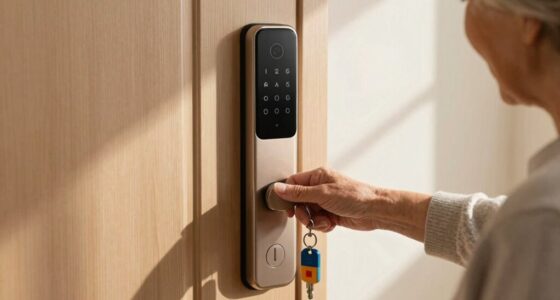
Voice assistants support your daily routine changes by quickly adapting to your shifting schedules and preferences. They help you stay organized by managing tasks, updating calendars, and controlling smart devices with simple voice commands. As you evolve your routines, they learn your habits and customize responses, making shifts smoother. Plus, with privacy controls, you can stay confident in how your data is handled. Keep exploring to discover more ways they make managing change easier.

Get decor and gifts delivered free — and shop member deals
- Fast, free delivery on millions of items
- Access to Prime Big Deal Days deals on October 6–7
- Prime Video, Amazon Music and more included
Key Takeaways
- Voice assistants adapt to new schedules and routines by quickly updating calendars and reminders.
- They learn user preferences over time, providing personalized support during routine changes.
- Voice assistants streamline task management, making it easier to shift priorities and responsibilities.
- Their integration with smart devices helps smoothly transition to new daily habits.
- Privacy controls ensure secure handling of personal data during routine adjustments.
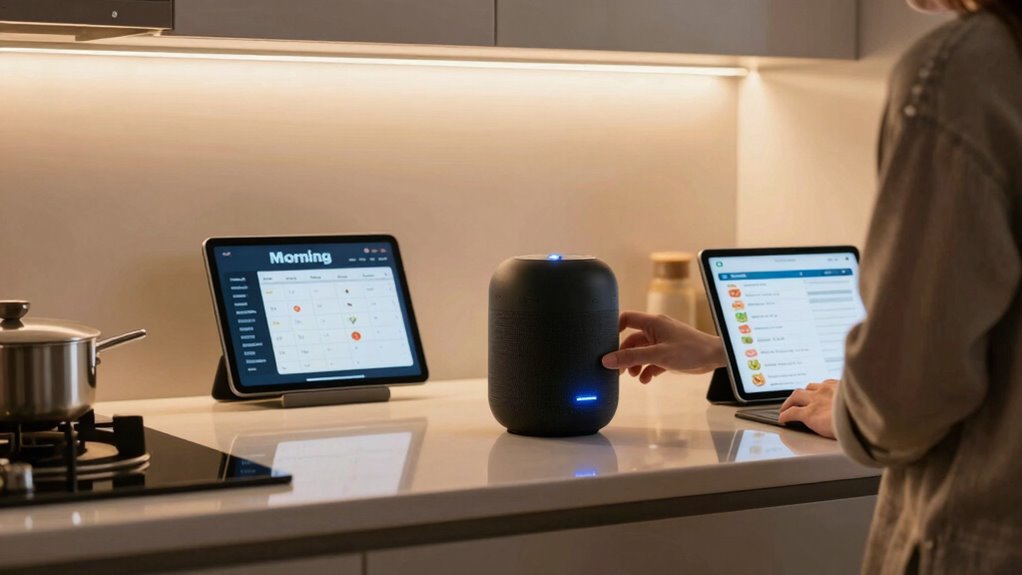
Voice assistants have become essential tools for adapting to the ever-changing demands of our daily routines. They help streamline tasks, provide instant information, and even manage your schedule with just a few spoken commands. As your routines shift—whether due to work changes, new hobbies, or personal commitments—these devices can quickly adjust to support your evolving needs. They’re designed to be flexible, making it easier for you to stay organized and efficient without juggling multiple apps or devices.
One of the main reasons voice assistants are so effective during routine changes is their ability to learn and adapt to your preferences. Over time, they remember your habits, such as favorite music, preferred news sources, or meal times, and tailor their responses accordingly. When your schedule shifts, you can tell your voice assistant about new appointments or tasks, and it updates your calendar instantly. This seamless integration saves you time and mental effort, especially when managing multiple responsibilities. Additionally, many devices now incorporate technology adoption strategies that help users become more comfortable and confident in their use. Understanding how these strategies work can further enhance your experience and ease the transition. Recognizing how user engagement influences technology adoption can motivate you to explore more features and customize your device to better suit your needs.
However, with this increased reliance on technology comes the concern of personal privacy. You might worry about how much data your voice assistant collects and who has access to it. It’s crucial to understand that many devices now come with privacy settings that allow you to control what information is stored and shared. Regularly reviewing these settings ensures your personal privacy remains protected, even as you benefit from the convenience of voice-controlled technology. Being proactive about privacy helps you maintain trust in the devices you depend on daily, especially during times of routine change when your usage might increase.
The process of technology adoption can sometimes feel overwhelming, but voice assistants are designed to be user-friendly and intuitive. You don’t need to be tech-savvy to start using one; just set it up, and it learns from your commands. As you adapt your routines, the voice assistant becomes an extension of yourself, helping you navigate new schedules and responsibilities effortlessly. Its ability to integrate with smart home devices, set reminders, or answer questions supports your efforts to stay on top of your daily tasks during transitional phases. Furthermore, familiarizing yourself with personal privacy practices can make the transition smoother and more comfortable. Exploring privacy settings and how your data is managed can give you peace of mind as you incorporate these devices into your life.
In short, voice assistants are powerful allies when your routines change. They adapt to your needs, help you stay organized, and make the transition smoother. While embracing this technology, you should also stay mindful of personal privacy, ensuring your data remains secure. With a little practice, these devices can become indispensable tools that grow alongside your lifestyle, making everyday changes easier to manage.
As an affiliate, we earn on qualifying purchases.
Frequently Asked Questions
Can Voice Assistants Adapt to Sudden Schedule Changes?
Yes, voice assistants can adapt to sudden schedule changes through real-time updates and adaptive scheduling features. When your plans shift unexpectedly, you can simply tell your assistant about the new details, and it updates your calendar instantly. This flexibility helps you stay organized and responsive, ensuring you never miss important appointments or tasks. With this technology, you’re empowered to handle daily changes smoothly and efficiently.
How Secure Is My Personal Data With Voice Assistants?
Is your personal data truly secure with voice assistants? While they’re designed with data privacy in mind, vulnerabilities can exist. Your data is protected through user authentication and encryption, but it’s essential to stay cautious. Regularly update your device’s privacy settings and be aware of what you’re sharing. Voice assistants can be secure, but your vigilance plays a big role in safeguarding your personal information.
Do Voice Assistants Understand Multiple Languages or Accents?
Yes, voice assistants often understand multiple languages thanks to multilingual support features, making it easier for you to communicate in your preferred language. They also utilize advanced accent recognition, allowing them to better understand diverse accents and dialects. This technology helps guarantee your commands are accurately interpreted, regardless of your language or accent, making your daily interactions more seamless and personalized.
Can Voice Assistants Integrate With All Smart Home Devices?
Imagine a symphony where each instrument plays in harmony—that’s how voice assistants work with smart home devices. While they support many, they don’t integrate with all devices due to varying smart home compatibility and device integration standards. You’ll find some assistants excel with specific brands, but universal compatibility remains a challenge. Always check your device’s compatibility before setting up, ensuring seamless control over your smart home ecosystem.
Are Voice Assistants Suitable for Elderly or Disabled Users?
Yes, voice assistants are suitable for elderly or disabled users. They promote elderly independence by enabling easy control of devices and daily tasks through simple voice commands. Accessibility improvements, like adjustable volume and speech recognition, make them more user-friendly. You can ask your voice assistant to set reminders, play music, or control smart home devices, helping you stay connected and independent with less effort.
Conclusion
As you embrace voice assistants to support your daily routine changes, you might find that their helpfulness coincides with moments you least expect—like reminding you of a forgotten task just when you’re about to lose track. These devices become more than tools; they turn into quiet companions, subtly guiding your day. Sometimes, it’s in these unanticipated moments that you realize how seamlessly technology can adapt to and enhance your life, making each day a little easier and more connected.
Fall Picks
fall essentials
As an affiliate, we earn on qualifying purchases.