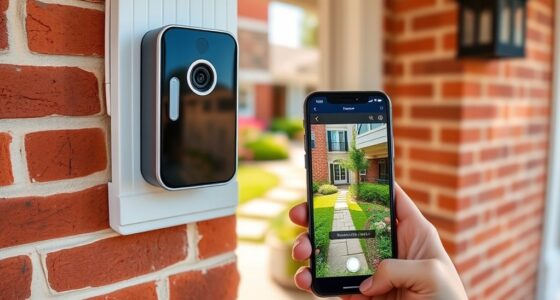
Smart homes feel helpful when they simplify your daily routines with automation, remote control, and safety alerts, making life more convenient and comfortable. However, they become annoying if privacy concerns arise or if constant notifications and technical glitches disrupt your peace. Overdependence can also make you feel less in control and overwhelmed. If you stay aware of these factors, you’ll better understand how to enjoy the benefits while avoiding the downsides. Keep exploring to discover ways to strike the right balance.

Get decor and gifts delivered free with Prime
- Fast, free delivery on millions of items
- Prime Video, Amazon Music and more included
- Member-only deals all year
Key Takeaways
- Seamless device integration enhances convenience, making smart homes feel helpful and user-friendly.
- Proper privacy controls and transparency build trust, reducing feelings of intrusion and annoyance.
- Reliable technology and minimal technical issues prevent frustration and maintain a positive experience.
- Balanced automation that supports routines without over-reliance keeps the home comfortable and manageable.
- Clear understanding of device functions empowers users, fostering a sense of control and reducing anxiety.
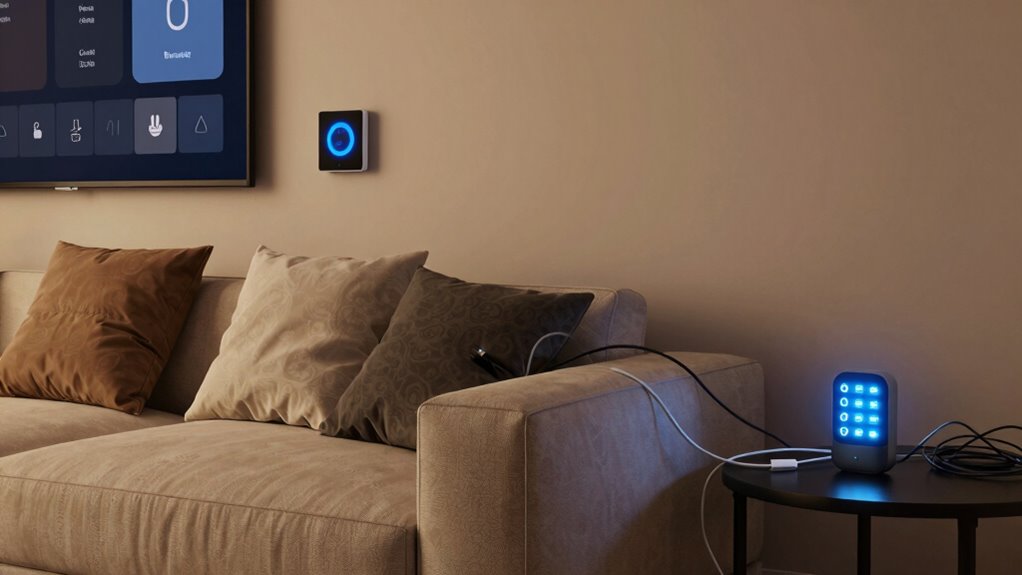
Smart homes have become increasingly popular, promising convenience and efficiency at your fingertips. With just a few taps or voice commands, you can control your lighting, thermostats, security cameras, and even your appliances. This level of automation makes daily routines smoother, saving you time and effort. But while some find this tech-driven lifestyle helpful, others feel it’s more of a hassle. The difference often comes down to how these devices impact your sense of privacy and your dependence on technology.
Smart homes offer convenience but can feel intrusive or overwhelming depending on privacy concerns and tech dependence.
When your smart home feels helpful, it’s usually because it seamlessly integrates into your life without causing concern. You might appreciate the way your smart assistant adjusts the temperature before you arrive home or how your security system alerts you to unusual activity. These features make your home safer and more comfortable, giving you peace of mind. However, this convenience can come with underlying privacy concerns. You may worry about how your data is collected, stored, and used by device manufacturers or third parties. The constant connectivity means your personal habits, routines, and even conversations could be monitored, intentionally or unintentionally. If you trust your smart devices and feel confident in their security, you’re more likely to see them as helpful rather than intrusive. Additionally, understanding how smart home technology functions can help you make more informed choices about your privacy.
On the other hand, some people find smart homes annoying because of their growing tech dependency. When you rely heavily on devices to do everything, it can feel like you’re losing control over basic tasks. If a device malfunctions or loses internet connection, your entire routine could be disrupted. This dependency can be frustrating, especially if you’re not tech-savvy or if updates and technical issues occur unexpectedly. Plus, constant notifications, alerts, and voice commands can become overwhelming or intrusive, making your home feel less like a sanctuary and more like a tech hub. If you’re wary of being tethered to technology or dislike the idea of losing privacy, these frustrations tend to outweigh the benefits. Sometimes, the over-automation can lead to a loss of spontaneity in daily life, which many find detracts from the comfort of a traditional home. Being aware of potential privacy risks associated with connected devices can help you better evaluate whether a smart home aligns with your preferences.
Ultimately, whether a smart home feels helpful or annoying depends on your comfort level with privacy and your reliance on technology. If you prioritize convenience but remain cautious about data security, you can enjoy the benefits while minimizing concerns. But if you’re wary of how much your smart devices know about you or how dependent you’ve become on them, you might find the experience more trouble than it’s worth. The key is finding a balance that lets you enjoy the advantages without feeling overwhelmed or exposed.
As an affiliate, we earn on qualifying purchases.
Frequently Asked Questions
How Do Smart Homes Impact Daily Routines?
Smart homes impact your daily routines by offering automation convenience that streamlines tasks, saving you time and effort. However, if not set up properly, they can cause routine disruption, making you feel frustrated or overwhelmed. You might find yourself adjusting settings constantly or feeling disconnected from your environment. When balanced well, smart homes enhance your day, but if overcomplicated, they risk becoming more of a hassle than a help.
Can Smart Homes Improve Energy Efficiency?
Sure, smart homes can improve energy efficiency, but don’t expect miracles. By automating lighting, heating, and cooling, you reduce unnecessary energy consumption, which leads to significant cost savings over time. It’s ironic how these devices, meant to make life easier, can also help you save money and energy. So, while they might not solve all your energy worries, they definitely make managing consumption more effortless and smarter.
What Privacy Concerns Are Associated With Smart Homes?
You might worry about privacy breaches and data security when using smart homes. These devices collect personal information, like your daily routines or voice commands, which can be targeted by hackers. If not properly protected, your data could be exposed or misused. To stay safe, make sure your devices have strong security measures, update software regularly, and be cautious about sharing sensitive information through connected systems.
How Customizable Are Smart Home Systems?
Smart home systems are quite customizable, allowing you to tailor personalization options to suit your needs. You can adjust lighting, temperature, and security settings easily. With system integration, you connect various devices seamlessly, creating a cohesive experience. This flexibility means you can automate routines and control everything from a single app, making your home more convenient and personalized. However, the level of customization depends on the system’s compatibility and features.
Are Smart Homes Suitable for All Age Groups?
You might find that smart homes suit all age groups when they incorporate age-specific customization and accessibility features. A coincidence shows that these systems can adapt to different needs, whether you’re tech-savvy or need simpler controls. When designed thoughtfully, smart homes become inclusive, offering voice commands, easy interfaces, and safety alerts that benefit children, seniors, and everyone in between. Proper customization guarantees no one feels left out or frustrated.
Conclusion
In the end, your smart home should feel like a trusted friend, not a meddling stranger. When you set clear boundaries and choose devices that genuinely serve your needs, you create a space that’s helpful, not overwhelming. Remember, it’s your home—your rules. Like a well-tuned orchestra, harmony comes when each element plays its part. With mindful choices, your smart home can become a true sanctuary, not a source of frustration.
Halloween Picks
halloween
As an affiliate, we earn on qualifying purchases.