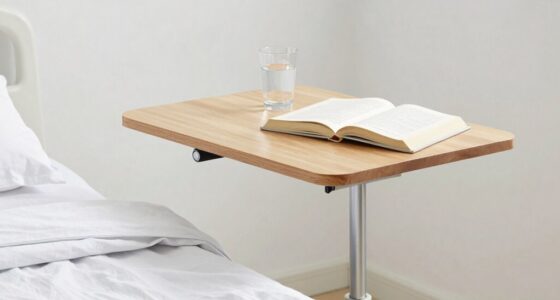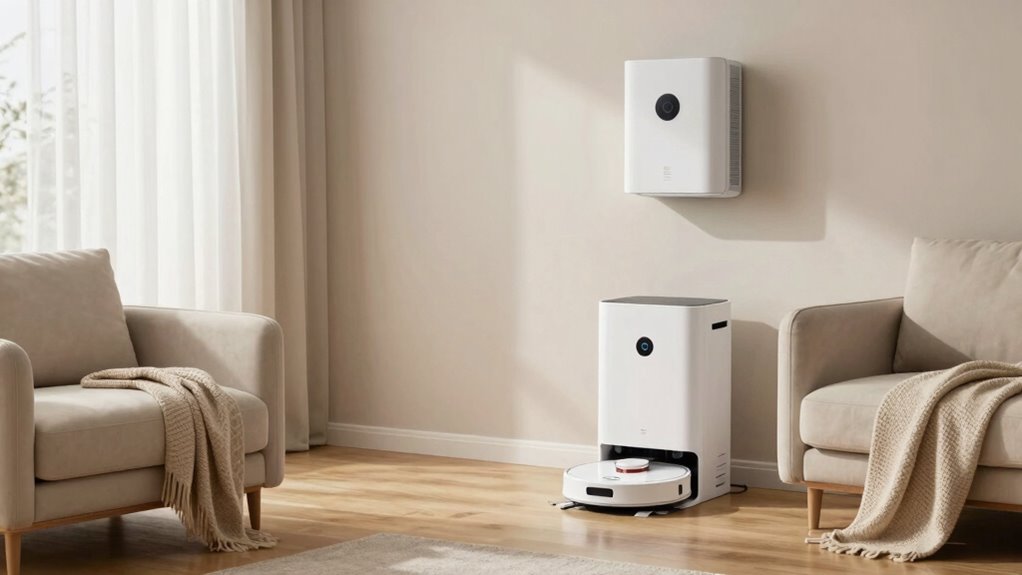
To improve home care, focus on quiet comfort features like soundproofing windows, walls, and doors to reduce noise disruptions. Incorporate noise-neutralizing appliances and discreet electronics to create a peaceful atmosphere. Add smart temperature control systems that learn preferences and automatically adjust for consistent comfort. These features promote relaxation, better sleep, and reduce stress. Creating a calm, stable environment helps everyone feel more secure and cared for—discover how these enhancements can transform your space further.

Get decor and gifts delivered free — and shop member deals
- Fast, free delivery on millions of items
- Access to Prime Big Deal Days deals on October 6–7
- Prime Video, Amazon Music and more included
Key Takeaways
- Soundproofing features like insulated walls and windows reduce external noise, creating a peaceful environment.
- Quiet appliances and discreet electronics minimize internal sounds, enhancing sleep and concentration.
- Smart temperature controls maintain consistent, comfortable climates, reducing the need for manual adjustments.
- Noise reduction helps lower stress and anxiety, promoting better emotional well-being.
- A calm, quiet home environment supports better sleep, independence, and overall health for residents.
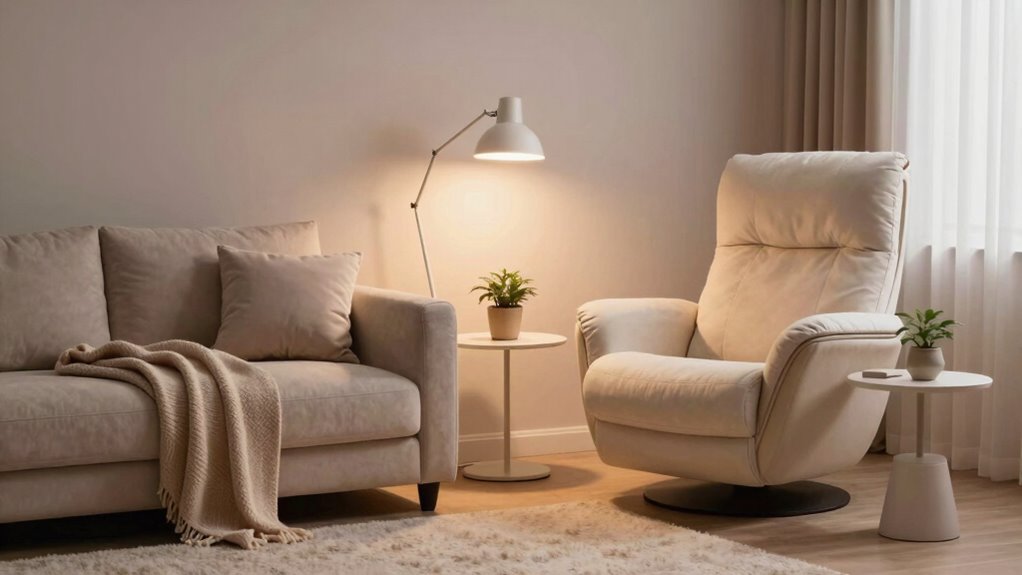
Have you ever wondered what makes a home truly comfortable for those receiving care? It’s not just about having the right medical equipment or a cozy environment; it’s about creating a space that promotes peace and calm. Two key features that significantly contribute to this are smart temperature control and noise reduction. These elements work together to foster a tranquil atmosphere, making daily life easier and more pleasant for both caregivers and those in their care.
Smart temperature systems are game-changers. Instead of manually adjusting thermostats throughout the day, you can set precise temperatures that adapt to the needs of the person receiving care. These systems learn preferences over time and automatically adjust, ensuring the environment stays consistent and comfortable. It’s especially helpful for individuals with health conditions sensitive to temperature fluctuations, such as arthritis or respiratory issues. By maintaining a steady, comfortable climate, smart temperature controls reduce stress and discomfort, allowing residents to relax and focus on their daily routines or rest. Incorporating sustainable environmental practices into home upgrades can further enhance the overall well-being of residents and the planet. Additionally, integrating energy-efficient smart home technology can help lower utility costs and support eco-friendly living. Using adaptive climate systems can also contribute to more precise control and energy savings, making the home both comfortable and eco-conscious.
Smart temperature systems automatically adapt, ensuring a comfortable, stress-free environment tailored to individual needs.
Noise reduction plays an equally vital role in enhancing home care comfort. Excess noise can disrupt sleep, increase stress, and create a sense of chaos that’s hard to escape. Incorporating noise-reducing features like soundproof windows, insulated walls, or soft-close doors helps create a peaceful environment. Quiet appliances and discreetly placed electronics also contribute to minimizing unwanted sounds. Using soundproofing materials strategically can significantly improve the effectiveness of these features. A well-designed acoustic environment can also help mitigate external noise sources, further enhancing comfort inside the home. When the surroundings are calm, it’s easier for those receiving care to rest, concentrate, and feel secure. For caregivers, a quieter environment means less stress and a more manageable space to provide attentive support without constant interruptions.
Together, smart temperature and noise reduction transform a home into a sanctuary of comfort and safety. These features are not just luxuries—they’re essential for promoting a sense of well-being and stability. By investing in technology that adjusts the environment automatically and minimizing disruptive sounds, you create a space that feels less like a hospital and more like a home. This peaceful setting helps reduce anxiety, improves sleep quality, and encourages independence. It’s about giving the person receiving care a sense of control and comfort in their environment, which can boost their overall health and happiness.
In the end, these quiet comfort features are about more than just convenience—they’re about making home care a positive, soothing experience. When you prioritize smart temperature control and noise reduction, you’re not only improving physical comfort but also nurturing emotional well-being. It’s the subtle touches like these that turn a house into a haven, where everyone feels safe, relaxed, and cared for.
As an affiliate, we earn on qualifying purchases.
Frequently Asked Questions
How Do Quiet Features Reduce Stress During Home Care?
Quiet features reduce stress during home care by minimizing noise, allowing you to focus better and feel more relaxed. Noise reduction creates a calming environment that helps ease anxiety and prevents sensory overload. When your surroundings are peaceful, you can concentrate on caregiving tasks with less frustration and fatigue. This peaceful atmosphere promotes emotional well-being, making home care more manageable and comfortable for both you and your loved ones.
Are These Comfort Features Energy-Efficient?
Yes, these comfort features are energy-efficient. They often incorporate advanced technology that reduces energy consumption, leading to significant energy savings over time. This makes them cost-effective because you’ll spend less on utility bills while enjoying a quieter, more comfortable environment. By choosing features designed for efficiency, you guarantee your home care setup is both sustainable and budget-friendly, providing long-term benefits without sacrificing comfort.
Can These Features Be Customized for Specific Needs?
Imagine a tailor crafting a suit perfectly suited for you—that’s how these features can be customized. You can adjust personalization options to fit your specific needs, like setting preferred temperatures or noise levels. They also seamlessly integrate with your existing technological compatibility, making adjustments easy and intuitive. This way, your home care becomes uniquely yours, providing comfort tailored precisely to your lifestyle and preferences.
Do Quiet Home Care Systems Require Special Maintenance?
Quiet home care systems generally don’t require special maintenance beyond regular upkeep. Their soundproofing benefits often mean fewer repairs related to noise or vibrations. You should check filters, seals, and vents periodically to guarantee peak performance. Regular cleaning and inspections help maintain soundproofing efficiency and prevent issues. Overall, with simple maintenance, your quiet system stays effective, providing comfort without adding extra upkeep demands.
Are These Features Suitable for Allergy-Sensitive Households?
Yes, these quiet comfort features are suitable for allergy-sensitive households. They often include advanced air purification systems that effectively remove allergy triggers like dust, pollen, and pet dander. By maintaining cleaner air and reducing noise, these systems create a healthier, more comfortable environment. You’ll appreciate how they operate quietly while improving air quality, making them ideal for those with allergies or respiratory sensitivities.
Conclusion
By prioritizing quiet comfort features, you create a soothing environment that truly enhances home care. From soundproofing to gentle lighting, these elements make daily routines more peaceful and less stressful. Did you know that 85% of seniors report improved well-being when their home environment is calm and quiet? Incorporating these thoughtful features not only boosts comfort but also supports overall health, ensuring your home remains a sanctuary where you feel safe and relaxed every day.
Halloween Picks
halloween
As an affiliate, we earn on qualifying purchases.