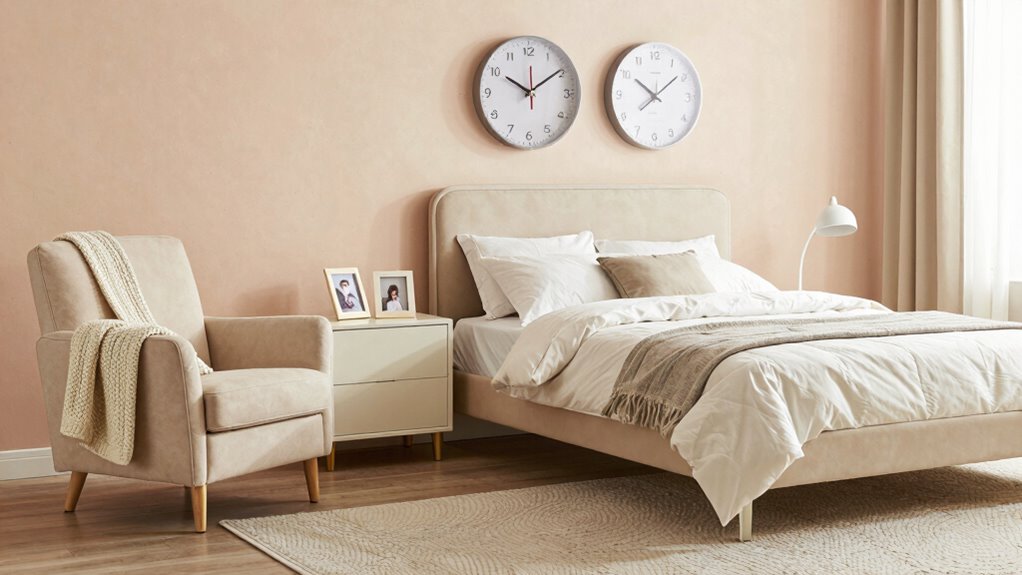

Create a reassuring bedroom for someone with dementia by using calming, muted colors like soft blues or gentle greens to promote relaxation, and keep lighting natural or warm to set a soothing mood. Keep the space clutter-free, with familiar objects like photos or blankets to evoke comfort. Use gentle textures and guarantee pathways are clear for safety. These small adjustments can make a big difference—continue to explore more ways to create a safe, peaceful environment tailored to their needs.

Get decor and gifts delivered free — and shop member deals
- Fast, free delivery on millions of items
- Access to Prime Big Deal Days deals on October 6–7
- Prime Video, Amazon Music and more included
Key Takeaways
- Use soft, muted colors and simple patterns to create a calm, non-overwhelming visual environment.
- Incorporate familiar objects and photographs to promote recognition and comfort.
- Ensure ample natural light during the day and gentle, warm lighting at night to regulate mood and sleep.
- Keep pathways clear of clutter and use furniture with rounded edges for safety and ease of navigation.
- Minimize noise and visual disturbances to foster a peaceful, reassuring atmosphere.
Creating a reassuring bedroom for someone with dementia is crucial for promoting safety and comfort. When you create a space that supports their needs, you help reduce confusion, agitation, and fear. One of the key elements to contemplate is sensory stimulation. You want to strike a balance—enough to keep them engaged and alert without overwhelming their senses. Gentle textures, soft lighting, and familiar scents can all contribute to a calming environment. For example, using a plush rug or soft bedding can provide comforting tactile feedback. Incorporating familiar objects, like a favorite blanket or a cherished photograph, can also stimulate positive memories and provide reassurance. Additionally, paying attention to sensory stimulation can help create a more soothing atmosphere tailored to their needs. Ensuring the environment is free from overwhelming noise or sudden sounds also plays a role in maintaining calmness and reassurance. Reducing background noise and creating a quiet, peaceful space can further support their sense of security.
Color schemes play an indispensable role in creating a soothing atmosphere. Bright, harsh colors might seem cheerful but can be overstimulating for someone with dementia. Instead, opt for muted, warm tones that promote relaxation. Soft blues, gentle greens, and warm beiges tend to be calming and easier on the eyes. These colors help create a sense of stability and safety, especially when used for walls, furniture, or accessories. Avoid high-contrast patterns or overly vibrant hues that might cause confusion or visual disturbance. Instead, choose simple, consistent color schemes that make navigation easier. For example, using different shades for different furniture pieces can help your loved one recognize and differentiate their belongings without stress.
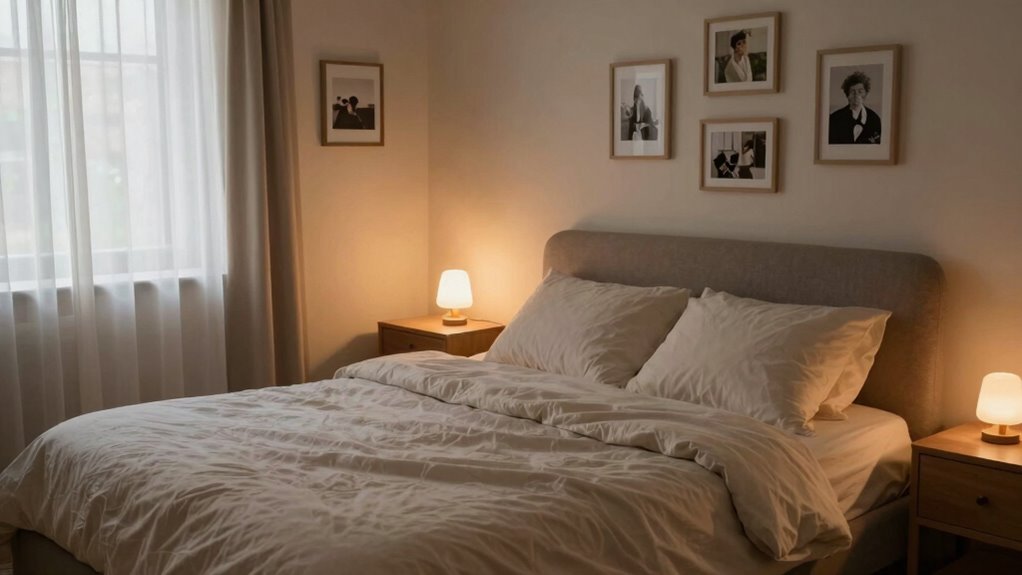
Lighting is another important aspect tied to sensory stimulation and color schemes. Natural light should be maximized during the day, as it helps regulate sleep cycles and mood. Use curtains or blinds that diffuse light softly. At night, ensure there’s enough ambient lighting to prevent shadows or dark corners that could cause fear or disorientation. Warm-colored bulbs tend to be more soothing than stark white or blue-toned lights. You might also consider installing nightlights in strategic spots to provide reassurance during nighttime wakefulness. Proper lighting can also help reduce visual confusion, making it easier for your loved one to navigate the space confidently. Incorporating adjustable lighting options allows for customization based on the time of day and activity, further enhancing comfort.
Furniture placement and layout also matter. Keep pathways clear of clutter to prevent trips or falls. Use furniture with rounded edges and stable, supportive beds to promote safety. Simple, familiar furniture arrangements help reduce confusion, making it easier for your loved one to find their way around. Combining thoughtful sensory stimulation, calming color schemes, and well-planned lighting helps create a bedroom environment that feels safe, familiar, and reassuring—an oasis that adapts to their changing needs while supporting their dignity and well-being.
dementia-friendly bedroom lighting
As an affiliate, we earn on qualifying purchases.
As an affiliate, we earn on qualifying purchases.
Frequently Asked Questions
How Can I Incorporate Personal Items Without Cluttering the Space?
You can incorporate personal mementos into the room by choosing a few meaningful items and displaying them neatly on shelves or in a dedicated memory box. Avoid clutter by rotating items regularly and keeping surfaces clear. Use soft containers or baskets for easy access and visual harmony. This approach helps personalize the space without overwhelming it, creating a comforting environment that respects clutter management principles and enhances familiarity.
What Are Some Calming Colors That Help Reduce Anxiety?
Calming hues are like a gentle breeze that eases anxiety, helping your loved one feel safer. Soft blues, muted greens, and warm beige tones create a soothing environment that promotes relaxation. These colors are proven to reduce anxiety, making the space more comforting. Choose paint, bedding, and accessories in these shades to foster a peaceful atmosphere where your loved one can rest and feel secure, easing their daily worries.
How Do I Ensure Safety Without Making the Room Feel Restrictive?
You can guarantee safety by incorporating personalized decor that comforts your loved one while avoiding clutter that feels restrictive. Use soft, calming colors and add sensory stimulation like textured blankets or gentle lighting to create a soothing environment. Install secure but discreet safety features, such as bed rails or non-slip rugs. This balance helps your loved one feel safe and comfortable without the room feeling restrictive or impersonal.
Are There Specific Lighting Recommendations for Nighttime Safety?
Imagine guiding your loved one safely through the night—nighttime lighting becomes your silent guardian. Use soft, warm safety illumination like low-wattage nightlights or motion-activated lights to reduce shadows and prevent falls. Keep lighting consistent and easy to access, avoiding harsh or flickering lights. This gentle glow reassures without startling, helping your loved one feel secure and cared for during every nighttime step they take.
How Can I Make the Bedroom Accessible for Caregivers?
You can make the bedroom more accessible for caregivers by installing assistive devices like grab bars, lever handles, and non-slip mats to guarantee safety. Keep emergency plans visible and easy to follow, such as clear exit routes and emergency contact info. Arrange furniture to create open pathways, reducing trip hazards. Regularly check that assistive devices are in good condition, and ensure emergency plans are updated, so caregivers can respond quickly and confidently when needed.
Conclusion
Creating a reassuring bedroom for someone with dementia is like gardening—you tend to it patiently and with care, watching it flourish. By incorporating familiar objects, calming colors, and safety features, you help ease their anxiety and promote comfort. Remember, your thoughtful touches can make their space feel like a safe harbor in a storm. With a little effort, you can create a haven where they feel secure and loved, just like a warm embrace that always welcomes them home.
Halloween Picks
halloween
As an affiliate, we earn on qualifying purchases.