
TL;DR
A resident in New York City has set up an aquaponics system in their apartment, demonstrating urban sustainable food practices. The project has garnered local interest, though details remain preliminary.
A resident of New York City has established an aquaponics system within their apartment, marking a notable example of urban sustainable food production. This development has attracted local media and sustainability advocates, emphasizing the potential for city dwellers to grow fresh produce and fish in limited spaces.
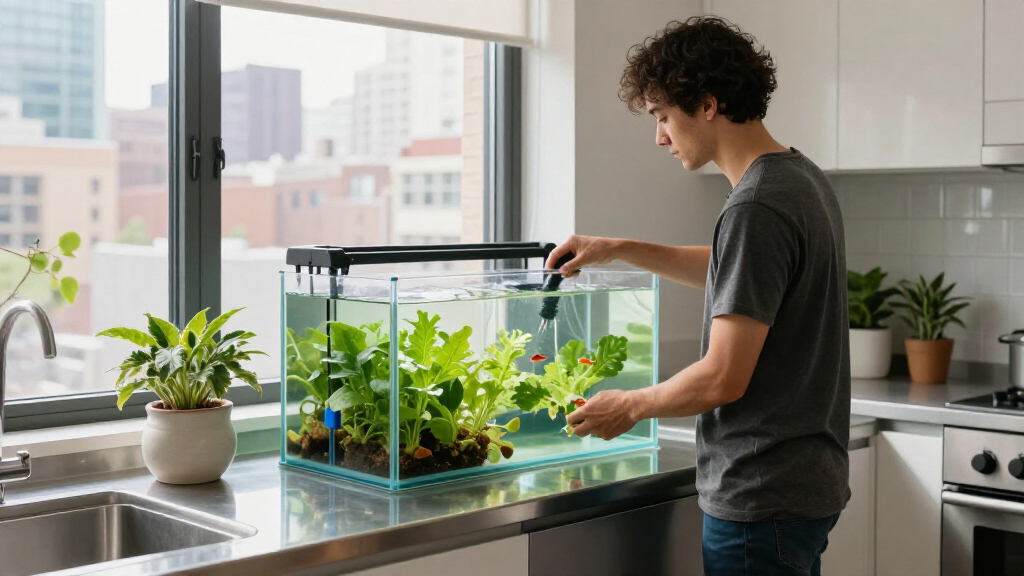
The aquaponics setup was installed in a standard NYC apartment, utilizing vertical and compact farming techniques to cultivate vegetables and raise fish. The resident, who wishes to remain anonymous, confirmed that the system is operational and supplies a portion of their dietary needs.
According to the resident, the system includes a fish tank, a grow bed for vegetables, and a pump that circulates water between the two. They stated that the project was designed to be space-efficient and environmentally friendly, reducing reliance on store-bought produce and fish.
Local sustainability groups have expressed interest in the project, with some experts noting that such setups could be viable for other urban residents, provided they adhere to safety and health regulations. However, officials have not yet officially endorsed or regulated these private systems.
Implications for Urban Food Sustainability in NYC
This development highlights the growing interest in urban agriculture and sustainable food practices within densely populated cities like New York. If replicable, apartment aquaponics could contribute to food resilience, reduce food miles, and promote environmental awareness among city residents.
While still in early stages, such projects could inspire more city dwellers to consider home-based food production, potentially easing some pressure on local markets and encouraging eco-friendly lifestyles. However, safety, zoning, and health regulations remain factors that could influence wider adoption.
compact aquaponics system for apartment
As an affiliate, we earn on qualifying purchases.
As an affiliate, we earn on qualifying purchases.
Rise of Urban Agriculture and Aquaponics in NYC
Over the past decade, New York City has seen increased interest in urban farming, rooftop gardens, and small-scale food production. Aquaponics, a method combining fish farming with hydroponic plant cultivation, has gained popularity among hobbyists and sustainability advocates.
Previous efforts in NYC have mostly been community gardens or rooftop farms, but private apartment-based aquaponics systems are still rare and largely experimental. Experts note that space constraints and regulatory hurdles have limited wider implementation.
This recent project is among the first known instances of a fully operational aquaponics system in a standard city apartment, reflecting a shift toward innovative, space-efficient sustainable practices.
“It’s a manageable way to grow fresh vegetables and fish right at home, reducing my reliance on store-bought food.”
— The apartment resident
Regulatory and Safety Considerations for Apartment Aquaponics
It is not yet clear how local authorities will regulate private aquaponics systems in residential buildings. There are questions about safety standards, zoning laws, and health regulations that could affect future installations. Officials have not issued specific guidance or restrictions, leaving the legal landscape uncertain.
Additionally, long-term sustainability, maintenance challenges, and potential health risks associated with fish and plant cultivation in confined indoor environments remain areas needing further evaluation.
Potential for Broader Adoption and Regulatory Developments
As interest grows, more residents may attempt to set up similar systems, prompting discussions among city regulators about safety standards and permits. Experts anticipate that local agencies could develop guidelines or regulations to manage indoor aquaponics in the coming months.
Meanwhile, the resident plans to monitor the system’s performance and share updates on its productivity and safety, potentially inspiring other urban dwellers to explore this sustainable practice.
Key Questions
Is apartment aquaponics legal in NYC?
There are no specific regulations currently addressing private aquaponics systems in NYC apartments. Residents should consult local zoning and health codes and consider safety precautions before installation.
What are the main challenges of setting up aquaponics in an apartment?
Space limitations, water management, maintaining water quality, and ensuring safety for fish and plants are key challenges. Proper setup and regular maintenance are essential.
Can apartment aquaponics produce enough food for a family?
Most small-scale systems are designed for personal use and can supplement diets but are unlikely to fully replace traditional food sources. Production depends on system size and management.
What safety precautions should be taken?
Use non-toxic materials, ensure proper water filtration, and follow health guidelines for fish and plant safety. Consulting experts or local authorities is recommended.
Will this trend grow in NYC?
Interest is likely to increase as awareness spreads, but widespread adoption will depend on regulatory developments and individual commitment to maintenance and safety.
Source: hn