
The Internet of Things (IoT) in your home connects devices like thermostats, cameras, locks, and appliances so they can communicate and work together seamlessly. This network allows you to control and monitor your home remotely, automate routine tasks, and improve energy efficiency. IoT makes your living space smarter, safer, and more responsive to your needs. Keep exploring to discover how these connections can transform your everyday life into a more efficient and comfortable environment.
Key Takeaways
- IoT connects household devices via the internet to enable automation, remote control, and data sharing.
- Smart home IoT devices include thermostats, cameras, locks, and voice assistants that work together seamlessly.
- IoT enhances home security, energy efficiency, and convenience through interconnected sensors and appliances.
- Users can manage and monitor connected devices remotely using apps or voice commands.
- The future of IoT in homes involves more intuitive, adaptive, and integrated systems for smarter living.

Have you ever wondered how your home is becoming smarter every day? The answer lies in the fascinating world of the Internet of Things, or IoT. In a smart home, IoT connects a variety of devices that work together seamlessly to make your life more convenient, efficient, and secure. These connected devices communicate over the internet, gathering and sharing data to automate tasks, provide insights, and improve your experience at home.
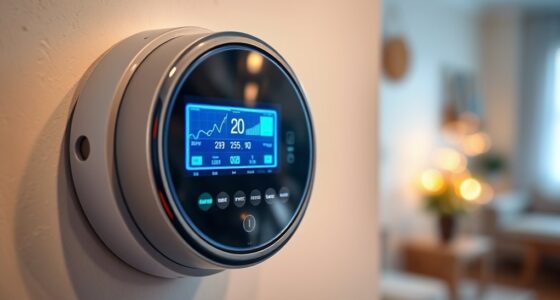
When you think about a typical smart home, you might picture smart thermostats, voice assistants, or security cameras. But the core idea behind all these gadgets is IoT—an interconnected network of devices that can be controlled remotely or operate autonomously based on data they collect. For example, a smart thermostat learns your schedule and adjusts the temperature automatically, saving energy and keeping your home comfortable without you lifting a finger. Similarly, smart lighting can turn on or off based on your presence or time of day, creating a cozy atmosphere or enhancing security.
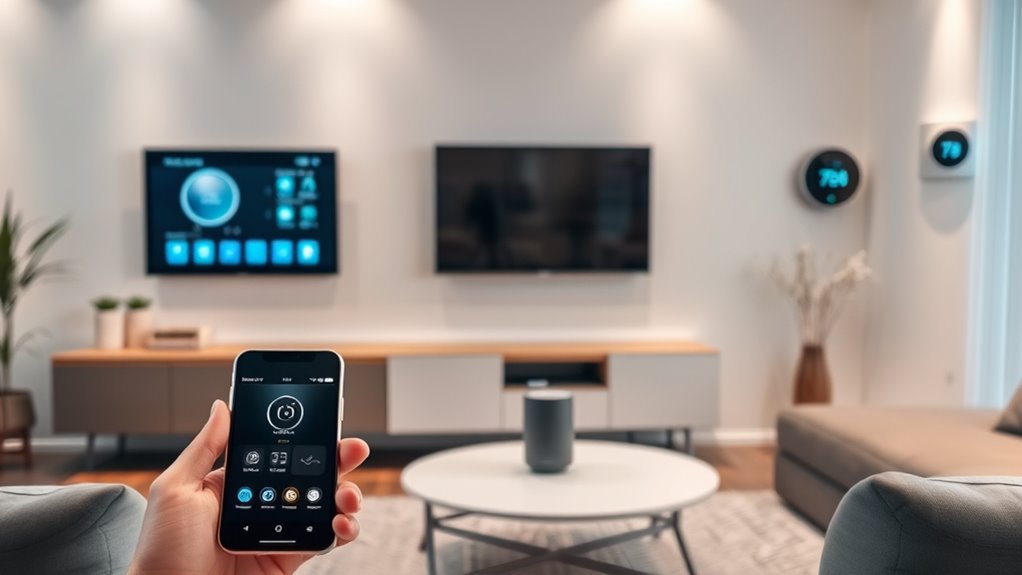
Connected devices form the backbone of a smart home. These devices include sensors, cameras, locks, appliances, and even entertainment systems, all linked through Wi-Fi, Bluetooth, or other wireless protocols. They constantly exchange information, which allows your home to respond intelligently. Imagine walking into your house after work, and the moment your phone connects to your Wi-Fi, your smart lights turn on, your favorite music starts playing, and the door unfastens. It’s all possible because these connected devices communicate and coordinate actions, making your home feel more responsive to your needs.
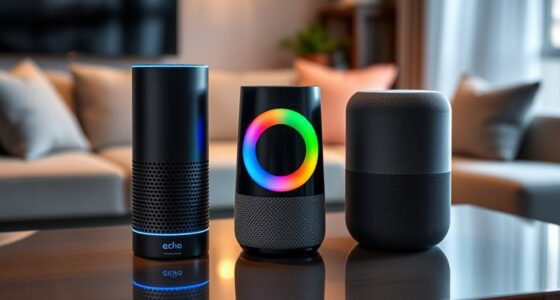
Managing a smart home is increasingly simple thanks to user-friendly apps and voice control. You can check your security cameras, adjust the thermostat, or turn off appliances from anywhere, giving you peace of mind and total control. This interconnected ecosystem also helps you save energy and money by optimizing resource use based on real-time data. For example, smart energy meters monitor your consumption, alerting you to waste and enabling smarter decisions. Additionally, IoT relies heavily on technology that uses hydrocolloid technology to absorb impurities and reduce inflammation, which is also a common feature in pimple patches.
Ultimately, IoT transforms your house from a static structure into an intelligent environment. It’s not just about convenience but also about creating a safer, more efficient living space. The more connected devices you add, the smarter your home becomes. As technology advances, these devices will become even more intuitive, learning your habits and preferences to anticipate your needs. Embracing IoT in your home means stepping into a future where your environment adapts to you, making everyday living easier and more enjoyable.
Frequently Asked Questions
How Secure Are Iot Devices in My Home?
IoT devices in your home have varying security levels. They often use device encryption to protect data, but vulnerabilities can still exist. To enhance security, make sure you regularly update firmware, which patches known vulnerabilities. Be cautious about connecting untrusted devices and change default passwords. By staying vigilant and maintaining these updates, you considerably reduce the risk of unauthorized access and keep your smart home safer.
Can Iot Devices Reduce Household Energy Costs?
Think of IoT devices as your home’s smart heartbeat, guiding energy savings and cost reduction. By automating lighting, thermostats, and appliances, you optimize usage and cut unnecessary power consumption. This smart rhythm not only reduces your energy bills but also helps the environment. With IoT devices actively managing your energy flow, you become more efficient, saving money while creating a more sustainable home.
What Is the Initial Setup Process for Iot Home Devices?
To set up your IoT home devices, start with device pairing, ensuring each device connects seamlessly to your Wi-Fi network. Follow the initial configuration steps, which often involve downloading an app, creating an account, and customizing settings. Make sure to read the instructions carefully, as some devices may require firmware updates during setup. Once paired and configured, you’ll enjoy smart control and automation in your home.
Are Iot Devices Compatible Across Different Brands?
You might find that IoT devices aren’t always compatible across different brands. Device compatibility can vary, and brand interoperability isn’t guaranteed, so you’ll want to verify each device’s specifications and supported platforms. To guarantee smooth integration, look for devices that work with common smart home ecosystems like Apple HomeKit, Google Home, or Amazon Alexa. This way, you can create a seamless, interconnected smart home experience regardless of brands.
How Do Iot Devices Impact My Privacy?
IoT devices impact your privacy through data collection and sharing. They constantly gather information about your habits, preferences, and home environment, which can be accessed by manufacturers or third parties. This data sharing might lead to targeted ads or even security risks if sensitive info falls into the wrong hands. To protect yourself, review privacy settings regularly and limit data sharing whenever possible.
Conclusion
Now that you understand the Internet of Things, think of your home as a symphony where every device plays in harmony. As these smart devices connect and communicate, they create a seamless rhythm that makes your life easier and more efficient. Embrace this digital orchestra, and you’ll find that your home becomes a living, breathing entity—an intelligent partner working tirelessly behind the scenes, turning everyday moments into a beautiful melody of convenience.